
TRI-GLOBAL News & Insights
In-depth articles, product stories and thought leadership from TRI-GLOBAL.
How a Tuk Tuk Factory Prepares Vehicles for African Heat, Dust and Daily Work
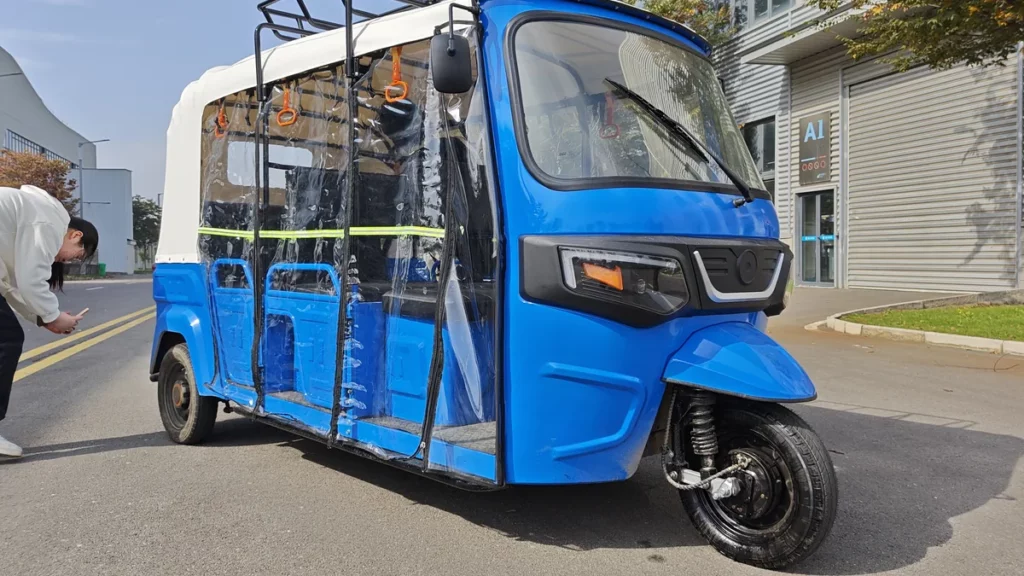
A tuk tuk that looks attractive in a showroom still has to survive real commercial work. Across African markets, vehicles may operate on dusty roads, broken pavement, steep approaches, crowded urban streets and long daily shifts. For importers, the most important purchasing question is not only “What is the range?” but “How was the vehicle configured and checked for the route it will actually serve?”
Durability begins with the duty cycle
Passenger taxis, market cargo vehicles, farm transport and hotel shuttles place different loads on the same basic vehicle. A passenger model needs stable seating, safe entry, good braking and comfortable suspension. A cargo tricycle needs a frame, axle, springs, tires and braking system matched to the intended payload. A fleet working on hills needs different motor and controller decisions from one running on flat roads.
At the Xinhuanhai and Youyi Power factory system, configuration starts with questions about road surface, gradient, daily mileage, operating temperature, load, charging time and service access. These details help avoid two common mistakes: overpaying for unnecessary capacity or choosing a light configuration for heavy commercial use.
What factory buyers should inspect
- Frame and weld consistency: check high-load joints, cargo-bed supports and mounting points.
- Suspension and axle selection: confirm that springs, dampers, axle and wheel specifications match the expected load.
- Braking performance: review brake type, adjustment points and stopping behavior under the intended duty cycle.
- Electrical protection: inspect cable routing, connectors, controller mounting and protection from vibration and dust.
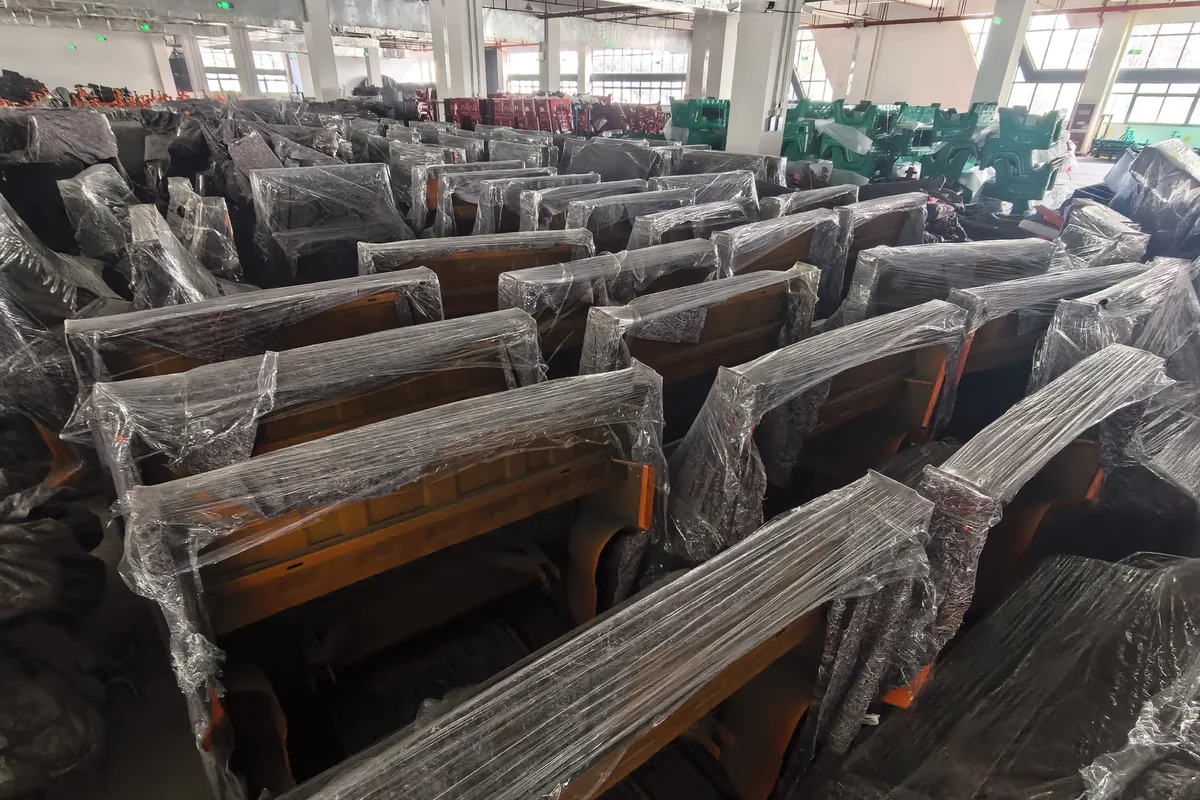
- Fastener and assembly checks: verify torque-sensitive points and establish a pre-delivery inspection list.
Heat and dust require practical design choices
Hot weather affects batteries, controllers and motors. Dust can shorten the life of exposed connections and moving parts if maintenance is ignored. A practical African-market configuration therefore needs adequate ventilation, protected cable routing, serviceable components and a maintenance schedule that local technicians can follow.
No supplier should promise that one configuration suits every climate. The better approach is to match the vehicle to the route, then support the distributor with inspection points and spare parts. Fleets working far from a major city may prioritize simple service access and a larger initial parts package. Urban taxi fleets may focus more on fast turnaround, passenger comfort and charging discipline.
Factory strength is measured by consistency
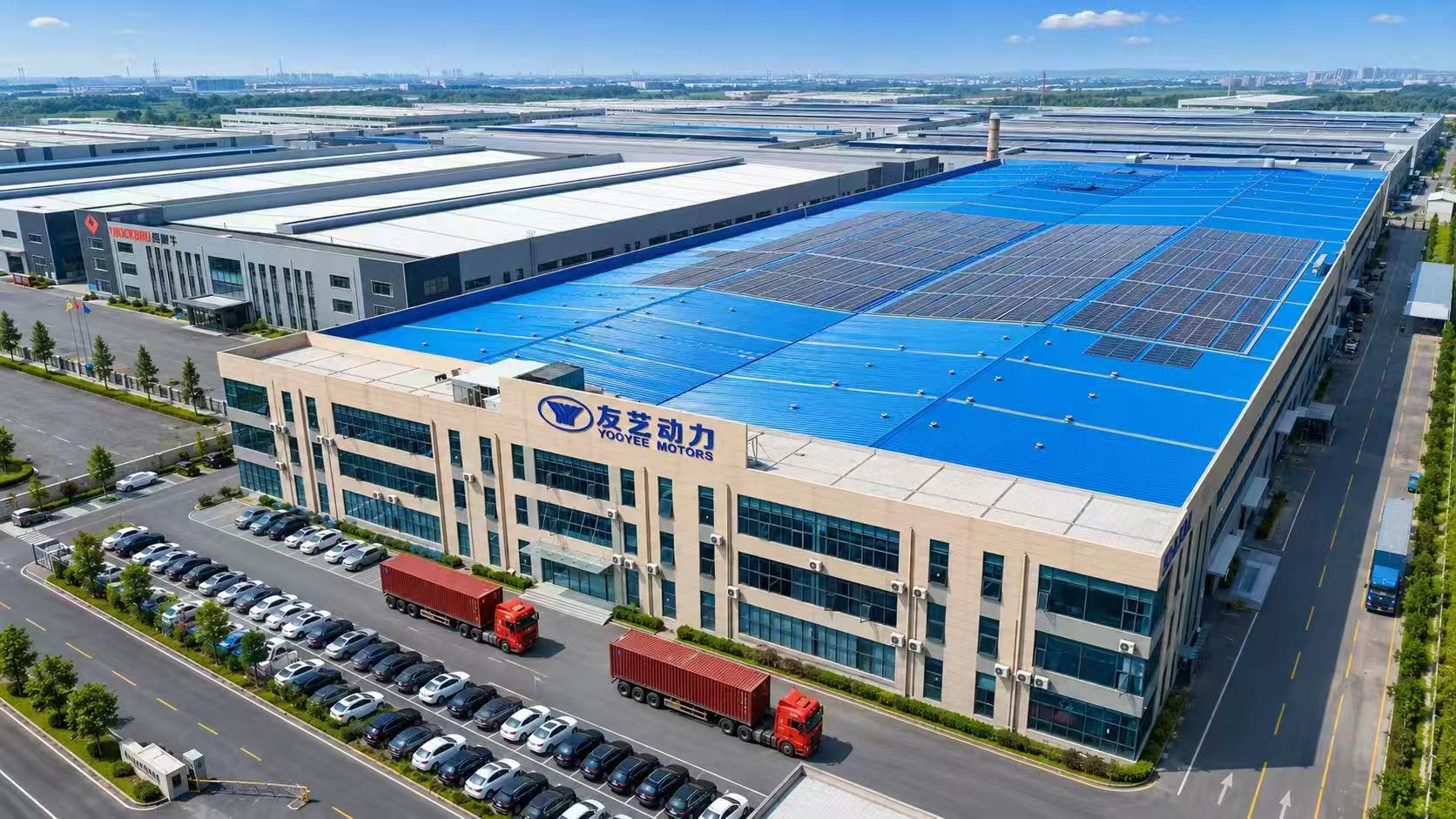
A factory's real value is not one attractive sample. It is the ability to repeat the agreed specification across a production batch. Xinhuanhai, as the international trading company of Youyi Power, coordinates specification confirmation, production follow-up, quality records and export preparation. Buyers can request clear model codes, component lists and inspection documentation before shipment.
For long-term distributors, this consistency makes training and parts stocking easier. Mechanics learn one system, parts can be organized by vehicle model and warranty discussions can refer to recorded production details instead of guesswork.
Tell us where your vehicles will work. Share the road condition, payload, hills and daily mileage, and our team will recommend a practical passenger or cargo configuration. Email monica@xhhtuktuk.com or WhatsApp +86 151 2110 8670.
Related Articles
 Company News
The Vehicle That Starts Work Before the Shop Opens
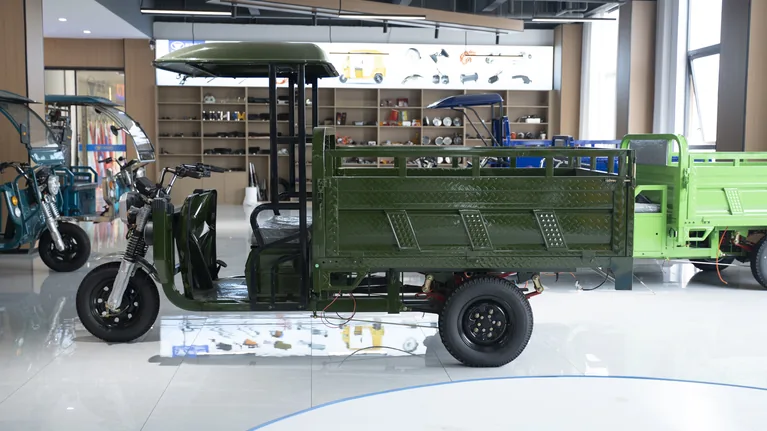
See how the Loader 1.8 electric cargo tricycle supports family businesses, farms and local deliveries from the first job of the day.
Read More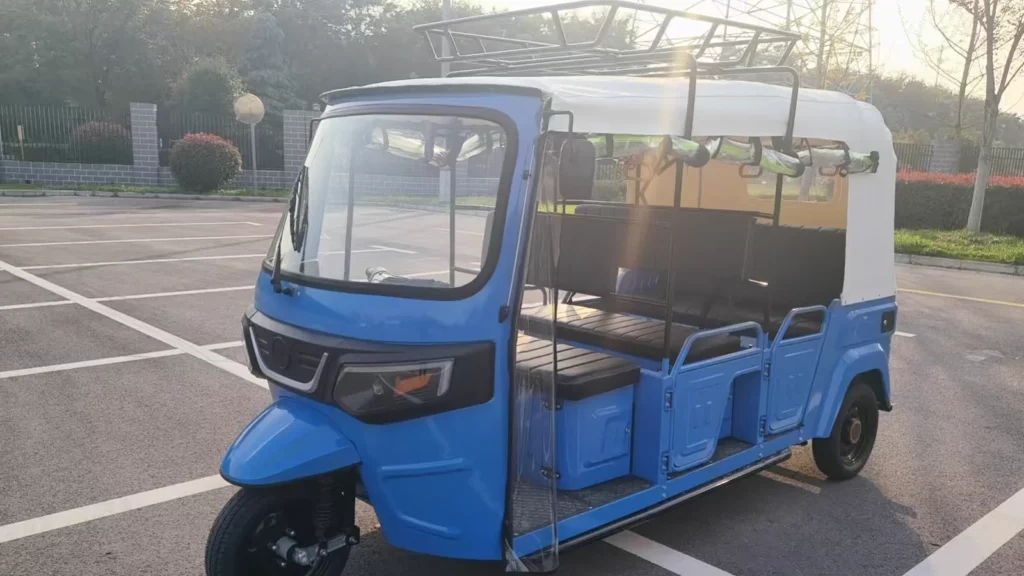 Tuk Tuk Factory
Why a Double-Row Electric Tuk Tuk Makes Group Travel Easier
Discover how a double-row electric tuk tuk from Xinhuanhai offers more passenger room, low noise and flexible customization for group travel, shuttles and fleet use.
Read More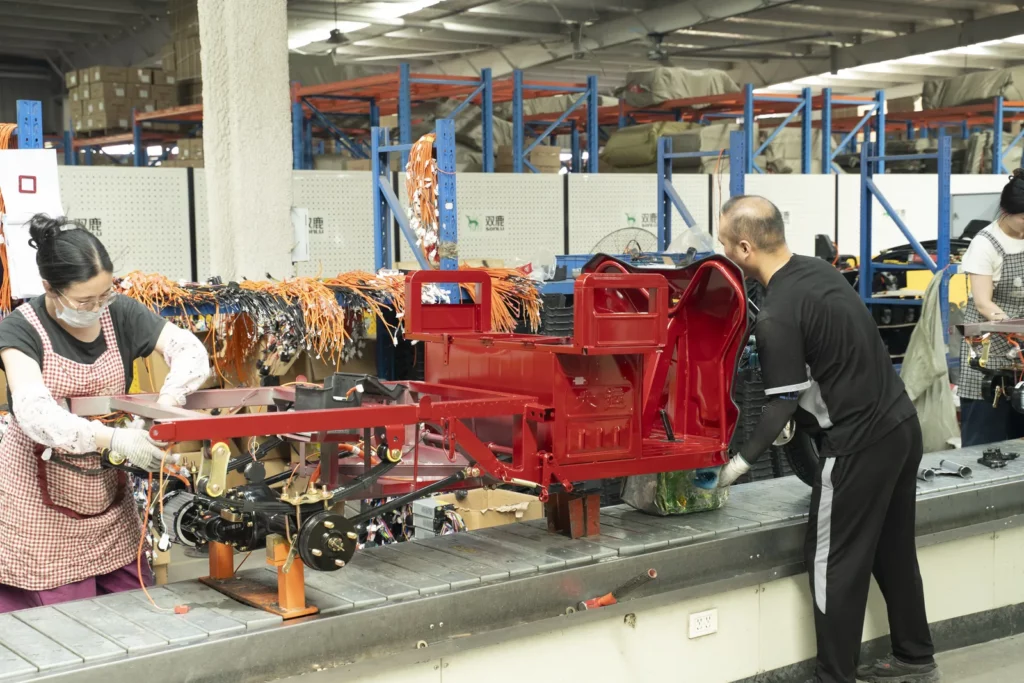 Company News
Built Straight, Built to Last: Why Frame Alignment Matters in Electric Tuk Tuk Production
Learn why frame alignment, welding consistency and correct mounting points matter for electric tuk tuk durability and daily operation.
Read More