


TRI-GLOBAL News & Insights
In-depth articles, product stories and thought leadership from TRI-GLOBAL.
What Importers Should Check During Pre Shipment Inspection of Electric Tricycles

1. Why Pre Shipment Inspection Matters for Electric Tricycle Orders
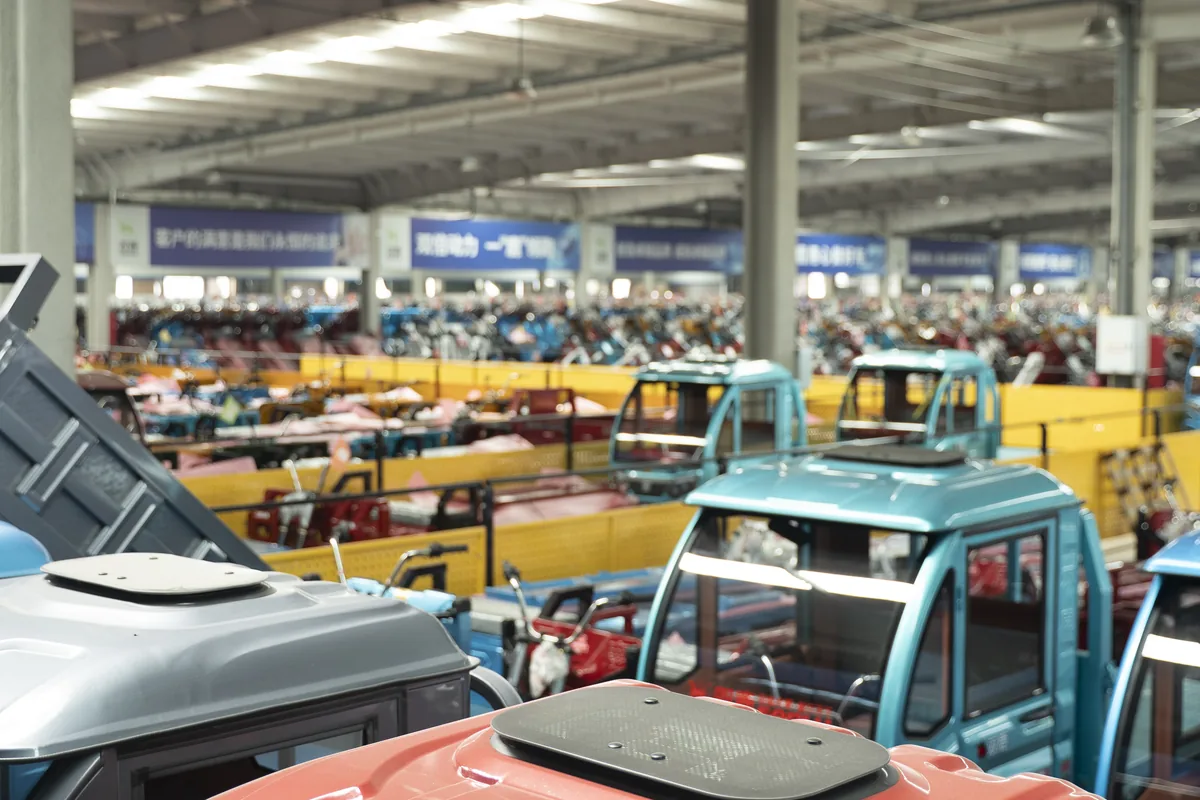
For international buyers, the period between production completion and shipment is an important stage of an electric tricycle purchasing project. Once vehicles have been loaded and dispatched, checking or correcting certain problems can become more complicated and expensive. A structured pre-shipment inspection gives importers an opportunity to confirm that the finished vehicles match the agreed purchase specifications.
This process is particularly important for orders involving multiple models or customized configurations. A shipment may include passenger tuk tuks, cargo tricycles, different motor powers, battery configurations, body colors and accessories. Even when the vehicles belong to the same product family, their specifications may not be identical.
The inspection process should begin with the approved order documents. Buyers and suppliers should agree on the model name, quantity, technical specifications, configuration, appearance requirements and acceptance criteria before the inspection takes place. The inspection team can then compare the finished vehicles against an agreed checklist rather than relying on general visual impressions.
Importers should also decide who will conduct the inspection. Depending on the order size and commercial requirements, this may involve the buyer's own representative, the supplier's quality team or an independent inspection service. The inspection method and reporting requirements should be agreed before shipment.

2. Key Areas to Inspect Before Electric Tricycles Leave the Factory
The first inspection point is vehicle identity and specification. Buyers should verify the model, quantity, identification numbers, motor configuration, battery voltage, battery type and other agreed technical details. Any customized items should also be checked against the approved configuration sheet.
The electrical system should be examined carefully. This includes the battery installation, charging connections, wiring harnesses, controller connections, switches, lights, indicators and instrument displays. The vehicle should be powered on and tested according to the manufacturer's procedures. Any unusual warning indicators, unstable electrical functions or visible wiring damage should be recorded for further inspection.
The braking and steering systems are another essential area. Inspectors should check the visible condition of the brake components, operating response, steering movement, wheel alignment and tyre installation. A controlled functional test should be carried out according to the agreed inspection procedure. Vehicles should not be approved for shipment if important safety-related issues remain unresolved.
For passenger tuk tuks, the inspection should include seating installation, seat fixtures, handholds, passenger access, canopy or body panels and other agreed passenger-area components. For cargo tricycles, inspectors should examine the cargo bed, side panels, hinges, locking mechanisms and structural connections. A four-side-opening cargo vehicle should be tested to confirm that the opening and closing mechanisms work as intended.
Appearance and assembly quality should also be documented. Buyers can check paint finish, body alignment, fasteners, surface damage, labels and the installation of accessories. Photographs and inspection records provide useful evidence if any issue needs to be corrected before dispatch.
3. Confirm Packaging, Accessories and Export Documents
A complete pre-shipment inspection should not stop when the vehicle itself passes the functional checks. Importers also need to confirm that the correct accessories, spare parts, tools and documents are prepared for the order. These items may include chargers, user manuals, maintenance instructions, spare components and other items specified in the purchase agreement.
Packaging is particularly important for international transportation. Buyers should confirm whether vehicles will be shipped fully assembled, partially assembled or in another agreed condition. The packaging method should protect vulnerable parts during handling and transportation. If some components are removed for packing, the supplier should provide clear identification and installation instructions.
Container loading arrangements should also be checked. The importer should confirm the number of vehicles, loading sequence, securing method and any requirements for battery handling and shipping documentation. Battery transportation must follow the applicable shipping regulations and carrier requirements. The relevant dangerous-goods classification and documentation should be confirmed by qualified shipping personnel.
Xinhuanhai coordinates international sales and export services through its TRI-GLOBAL business, supported by its manufacturing cooperation network. For overseas buyers, discussing inspection requirements before production is completed can help align product specifications, quality checkpoints and shipment arrangements.
Importers should keep a copy of the approved specification, inspection report, vehicle identification records, packing list and relevant shipping documents. These records can support customs procedures, local registration, after-sales service and future warranty communication.


Conclusion
Pre-shipment inspection is an important checkpoint in international electric tricycle procurement. Buyers should verify vehicle specifications, electrical functions, braking systems, structural components, accessories, packaging and export documentation before shipment. A clear inspection checklist and written acceptance criteria can help reduce misunderstandings between buyers and suppliers. Xinhuanhai welcomes overseas customers to discuss product specifications and inspection arrangements when planning electric passenger or cargo tricycle orders.
Related Articles
 Company News
Shade Above, Fresh Air Around: The Open-Canopy 6+1 Tuk Tuk
Explore the open-canopy 6+1 electric tuk tuk for warm climates, sightseeing routes, resorts and group transport with shade and fresh airflow.
Read More Company News
Why Electric Tuk Tuks Use Less Energy on Short Urban Routes
Understand why lightweight electric tuk tuks can use energy efficiently on short urban routes, neighborhood trips and stop-and-go service.
Read More Company News
2000W vs 4000W Electric Tuk Tuks and How to Choose the Right Motor Power
Motor power is one of the first specifications buyers notice when comparing electric tuk tuks. A 2000W model may appear more economical, while a 4000W version seems more powerful and capable. However, choosing between them is not simply a matter of selecting the larger number. The right motor power …
Read More