


TRI-GLOBAL News & Insights
In-depth articles, product stories and thought leadership from TRI-GLOBAL.
How Electric Tuk Tuks Reduce Fleet Operating Costs in Africa
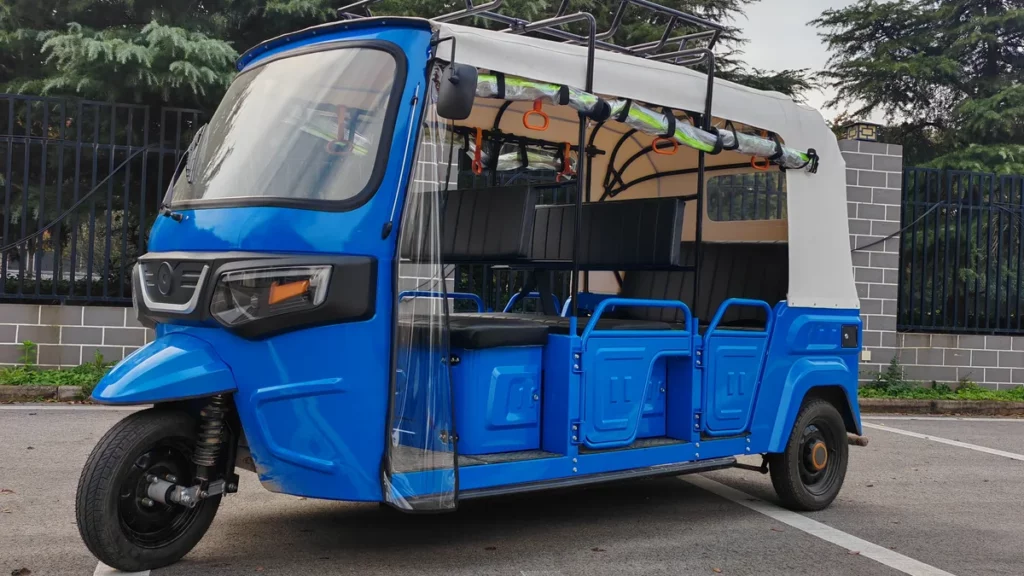
Fuel price volatility and supply interruptions can make daily transport costs difficult to predict. This is one reason electric mobility is receiving more attention across Africa, especially in Ethiopia. For passenger and cargo operators, an electric tuk tuk can turn part of the daily fuel expense into a planned electricity cost—but only when the vehicle, route and charging system are matched correctly.
Look at total operating cost, not only purchase price
The lowest purchase price is not always the lowest business cost. A fleet buyer should calculate energy, battery replacement, tires, brakes, routine maintenance, downtime, spare parts and financing over the expected service period. Electricity prices and fuel prices vary by country, so a responsible supplier should not promise one fixed saving percentage for every market.
Instead, start with the route. Record daily distance, passenger or cargo load, number of stops, hills, charging time and electricity tariff. Then compare the energy cost of the electric vehicle with the fuel and maintenance cost of the current vehicle. This creates a business case that a fleet operator, bank or investor can understand.
Why short commercial routes are a strong fit
Electric tuk tuks are especially suitable for routes that are predictable and return to a depot: neighborhood taxis, hotel shuttles, campus transport, market deliveries, farm work and last-mile logistics. Depot charging makes it easier to supervise charging safety and avoid unnecessary public-charging costs.
Operators can also schedule charging during quiet hours. With the right battery capacity, the vehicle can complete its planned shift without carrying excessive battery weight or paying for unused capacity.
Maintenance savings depend on discipline
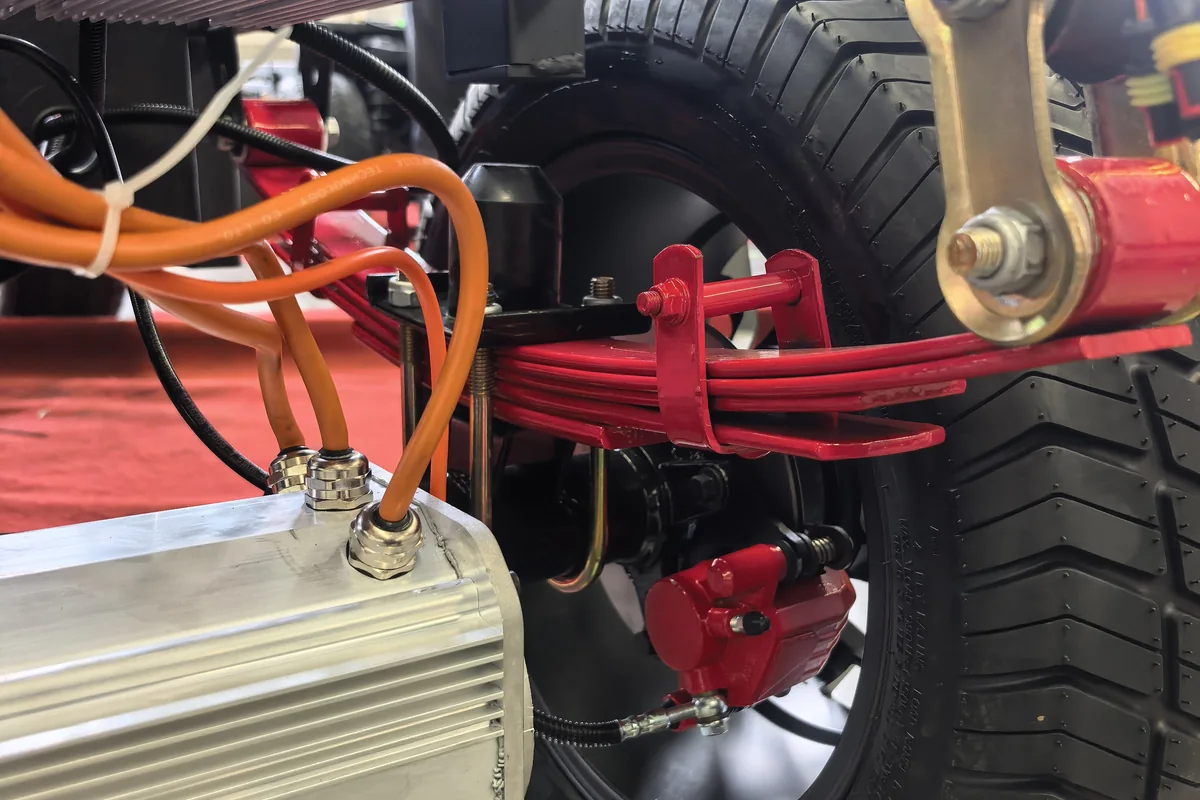
Electric drivetrains remove many fuel-engine service items, but electric vehicles are not maintenance-free. Tires, brakes, suspension, steering, electrical connections and batteries still need regular inspection. Driver training matters too: harsh acceleration, overloading and deep battery discharge can increase costs and reduce service life.
Xinhuanhai and Youyi Power can help distributors prepare a practical maintenance checklist and an initial spare-parts package for each model. Clear part codes and local stock reduce downtime when a commercial vehicle needs repair.
Ethiopia shows why energy security matters
Ethiopia's electric vehicle policy is linked not only to emissions but also to reducing dependence on imported fuel. The national e-mobility strategy includes charging-infrastructure goals and higher targets for electric passenger and public transport vehicles. For distributors, this creates demand for vehicles that are efficient, serviceable and supported locally.
The best opportunity is not to sell a vehicle as a miracle solution. It is to offer a complete operating plan: correct configuration, safe charging, driver training, spare parts, technical support and realistic cost analysis.
We can help you compare operating scenarios. Send your current vehicle type, fuel use, daily distance, load and electricity price to monica@xhhtuktuk.com or WhatsApp +86 151 2110 8670.
Reference: IEA Ethiopia 2026 energy-policy review.
Related Articles
 Tuk Tuk Technology
How TRI-GLOBAL Coordinates Manufacturing and Export Services for Overseas Buyers
For international buyers sourcing electric tuk tuks from China, finding a suitable vehicle is only the beginning. A successful purchasing project also requires clear technical communication, reliable manufacturing coordination, accurate export documents and organized shipment preparation. When these…
Read More Company News
Before the Assembly Line Starts: How Xinhuanhai Controls Incoming Materials
See how Xinhuanhai reviews frames, electrical parts, wheels and other incoming materials before electric tuk tuk assembly begins.
Read More Tuk Tuk Technology
TRI-GLOBAL Develops Multi-Passenger Electric Tricycle for Group Transport
Xinhuanhai is developing a configurable multi-passenger electric tricycle for farms, industrial sites, resorts, campuses and group transport.
Read More