
TRI-GLOBAL News & Insights
In-depth articles, product stories and thought leadership from TRI-GLOBAL.
Choosing CBU, SKD or CKD Electric Tuk Tuk Supply for African Markets
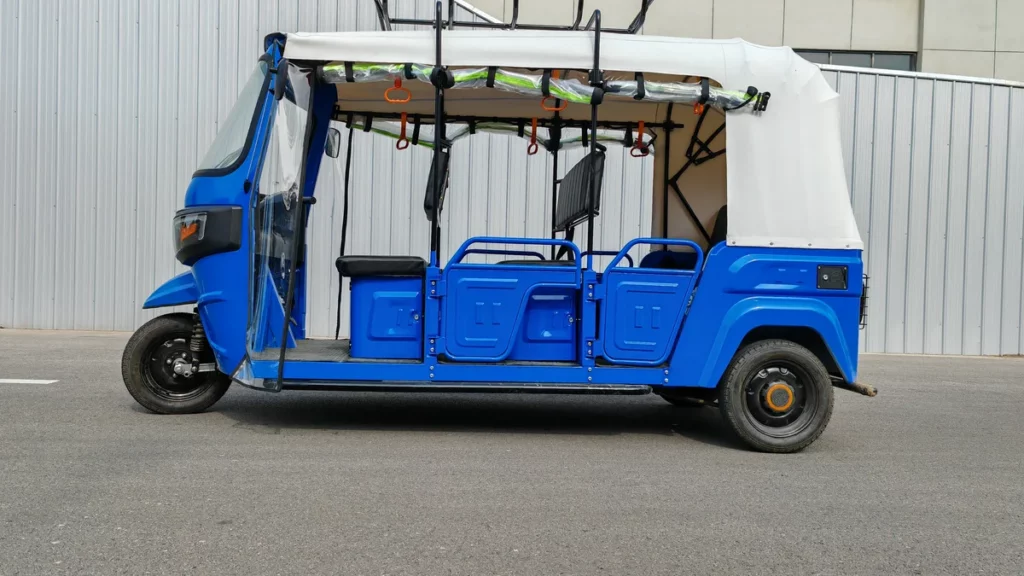
For African electric tuk tuk importers, the supply format can be as important as the vehicle itself. A fully built vehicle is simple to receive and demonstrate, while SKD or CKD supply can improve container utilization and support local assembly plans. The correct choice depends on order volume, technician capability, local regulations, import duties, warehouse space and the distributor's long-term strategy.
CBU: the fastest route to market testing
Complete Built Unit supply is usually the easiest option for a new distributor or sample order. Vehicles arrive assembled, allowing the buyer to confirm performance, customer response and route suitability before investing in an assembly operation. CBU also reduces the number of assembly tools, fixtures and trained workers required at the beginning.
The trade-off is container efficiency. Fully assembled vehicles occupy more space, so freight cost per unit may be higher. Importers should compare freight, duties and local labor costs rather than choosing a supply format from the vehicle price alone.
SKD and CKD: more control, more preparation
Semi Knocked Down and Completely Knocked Down projects can support better container loading and local value creation. They also require disciplined preparation. The importer needs an assembly area, trained technicians, tools, torque standards, electrical test equipment, quality checkpoints and a clear parts-identification system.
- Confirm the exact disassembly level before quotation.
- Agree on packing sequence and package labels.
- Use model and component codes on the packing list.
- Prepare assembly instructions and inspection records.
- Include initial spare parts and consumables in the first shipment.
How our factory prepares export projects
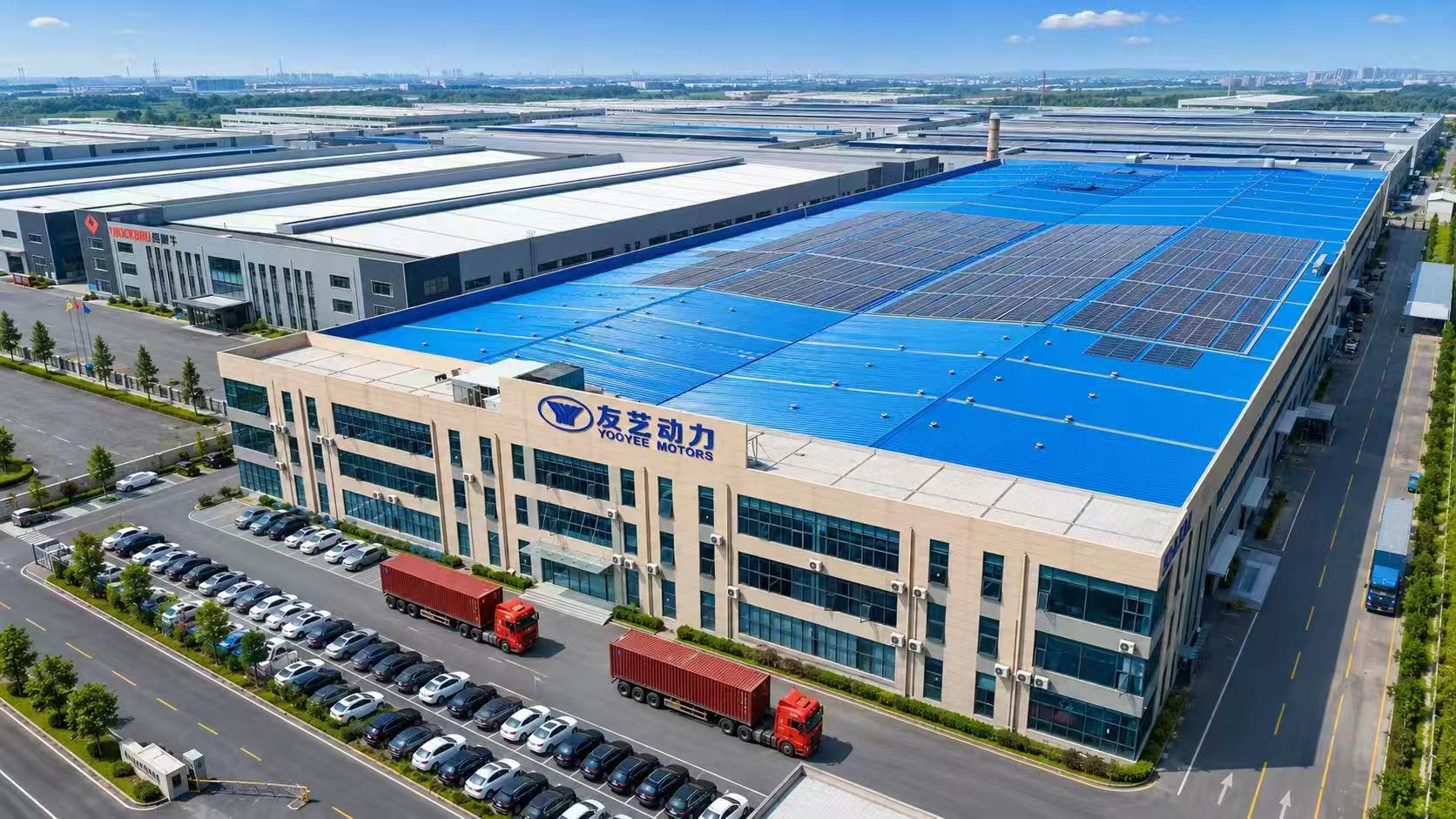
Xinhuanhai is the international trading company of Youyi Power. Our team helps overseas buyers translate a market requirement into a controlled factory specification. For CBU, SKD or CKD projects, we can discuss vehicle configuration, packing method, branding, documentation, spare-parts ratios and technical support before production begins.
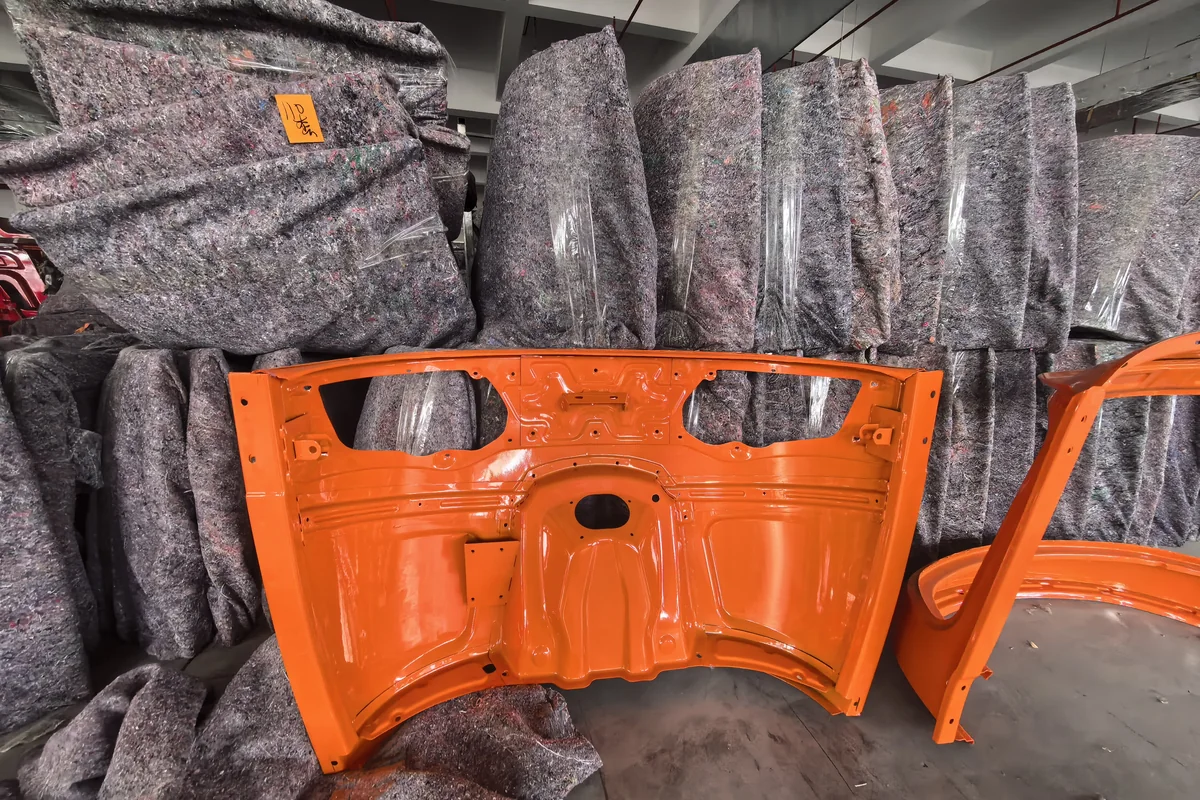
Factory preparation may include production photos, packaging confirmation, loading plans, model-based parts lists and video guidance. For a serious local assembly program, the buyer should begin with a pilot batch. The pilot allows both teams to identify assembly time, difficult steps, missing tools and local training needs before scaling the project.
A sensible path for new African distributors
Many successful projects can follow three stages. First, import samples or a small CBU batch to test demand and collect route data. Second, standardize the most suitable passenger or cargo configurations and build a local spare-parts stock. Third, evaluate SKD or CKD supply when sales volume and technician capability make local assembly economical.
This gradual approach reduces risk. It prevents a distributor from investing in an assembly line before the market has confirmed the right model, and it gives the factory clear feedback for future batches.
Need a CBU, SKD or CKD comparison for your country? Send your expected annual volume, target model, local assembly capability and destination port to monica@xhhtuktuk.com or WhatsApp +86 151 2110 8670.
Related Articles
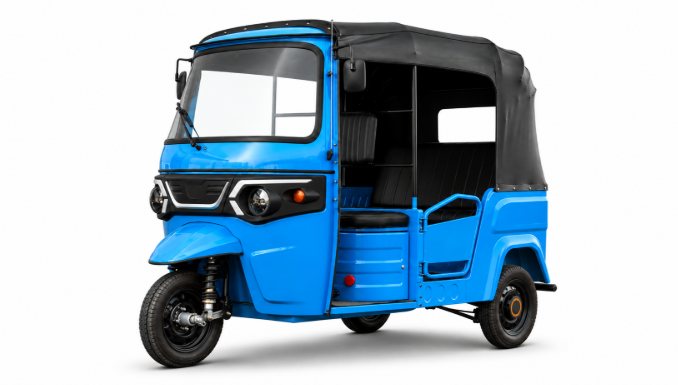 Company News
Lower Maintenance, More Working Days: The Ownership Advantage of Electric Tuk Tuks
Learn how simpler electric drivetrains, routine inspections and spare-parts planning can support lower maintenance and more working days.
Read More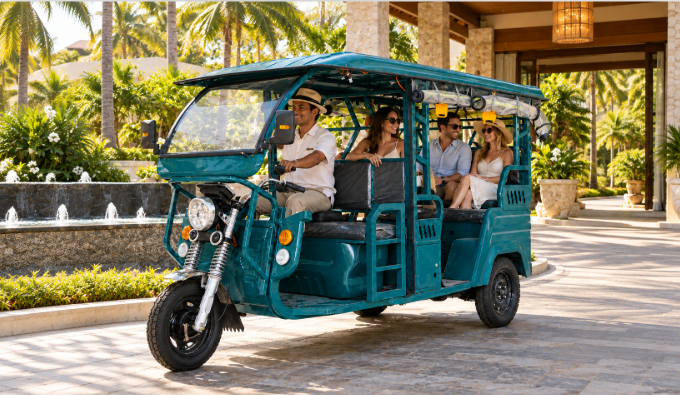 Company News
Lithium vs Lead Acid Batteries for Electric Tuk Tuks
Battery selection for an electric tuk tuk should begin with the way the vehicle will actually work. Importers often focus on battery chemistry or ask for the largest available capacity, but neither approach automatically produces the best commercial vehicle. A passenger tuk tuk operating 40 kilomete…
Read More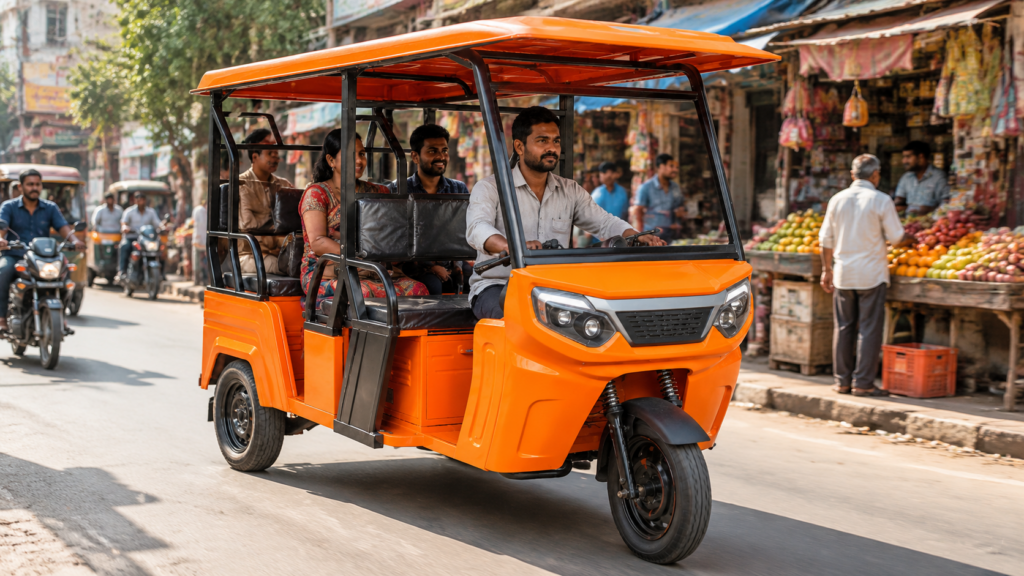 Company News
How Electric Tuk Tuks Can Support Passenger Transportation in Senegal
Senegal is developing its urban transportation network as cities expand and mobility demands become more diverse. In Dakar and surrounding communities, residents depend on buses, shared taxis and other transportation services to travel between residential areas, workplaces, commercial districts and …
Read More