

TRI-GLOBAL News & Insights
In-depth articles, product stories and thought leadership from TRI-GLOBAL.
What Tuk Tuk Distributors Should Prepare for Ethiopia’s Electric Vehicle Transition in 2026
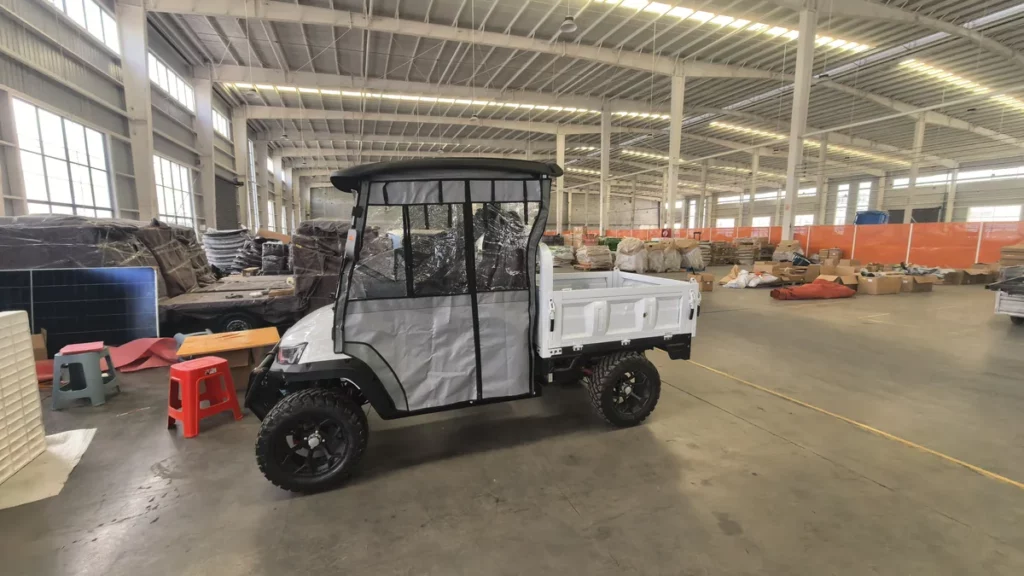
Ethiopia is moving faster than most African markets in the transition from fuel-powered transport to electric mobility. The country restricted imports of gasoline and diesel vehicles in 2024, and its national e-mobility plan now supports a broader charging network and more electric public and commercial vehicles. For electric tuk tuk distributors, this changes the questions buyers ask, the products fleets need and the type of support importers must build locally.
Why Ethiopia's transition matters to tuk tuk businesses
Three-wheelers are well suited to short, repeatable routes: neighborhood passenger transport, market deliveries, hotel and campus shuttles, farm logistics and last-mile distribution. These routes usually return to the same base every day, making overnight or depot charging practical. Electric tuk tuks can also reduce exposure to fuel-price changes and simplify routine maintenance because an electric drivetrain has fewer service items than a conventional fuel engine.
The opportunity is real, but successful market entry depends on more than importing a vehicle. Importers need the right battery capacity, motor power, controller calibration, ground clearance, suspension setup and spare-parts package for local routes. A vehicle configured for a flat, paved city may not be the right choice for hilly areas, unpaved roads or high daily passenger loads.
What distributors should prepare before ordering
- Define the route: record daily distance, gradients, road surface, passenger or cargo load and available charging time.
- Select the battery around real duty cycles: compare lead-acid and lithium options by total cost, weight, charging speed and expected use.
- Plan charging at the operating base: confirm local voltage, plug type, circuit capacity and protection before the vehicles arrive.
- Order service parts with the first shipment: stock common electrical, braking and suspension components locally.
- Train technicians and drivers: safe charging, daily inspection and correct driving habits improve uptime and battery life.
How Xinhuanhai and Youyi Power support African projects
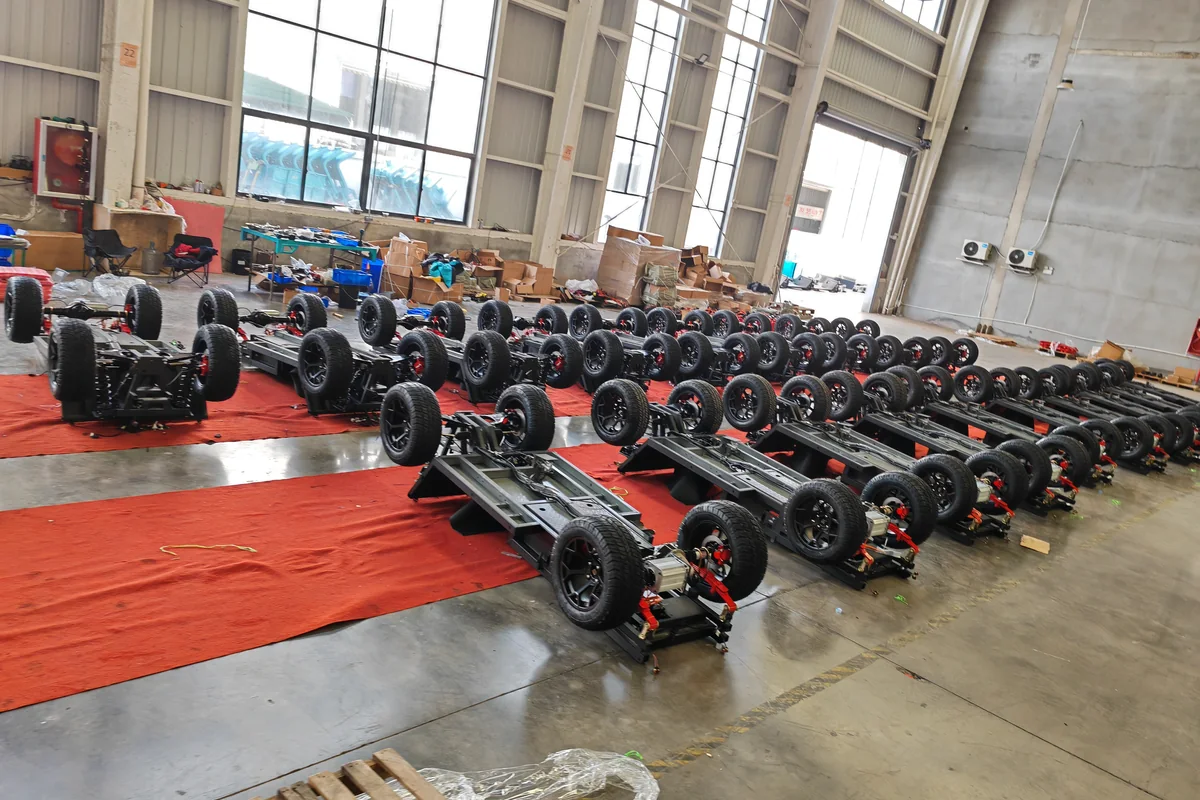
Xinhuanhai is the international trading company of Youyi Power. This factory-and-trade structure connects overseas buyers with product engineering, manufacturing coordination, quality inspection, export documentation and after-sales preparation through one team.
For Ethiopia and other African markets, we can discuss passenger, cargo and utility configurations; battery and motor combinations; body color and branding; seating layout; cargo-body dimensions; and spare-parts planning. Before mass production, the project team can confirm a specification sheet and sample requirements. During production, key components and assembly details can be checked. Before shipment, buyers can request inspection photos, videos or a third-party inspection arrangement.
Build the service system at the same time as the fleet
A strong electric vehicle business is built around uptime. The importer should know which parts are interchangeable, which items need model-specific codes and how warranty claims will be documented. Xinhuanhai can organize model-based parts lists, manuals and remote technical guidance so a distributor is not starting from zero after the container arrives.
Ethiopia's electric transition creates a timely opening for practical, right-sized vehicles. The companies that will benefit most are those that combine reliable products with charging preparation, technician training, spare parts and honest route analysis.
Planning an electric tuk tuk project for Ethiopia? Send your target route, load, daily mileage and preferred battery type to monica@xhhtuktuk.com or contact us on WhatsApp at +86 151 2110 8670.
Policy references: IEA vehicle-import policy summary and Ethiopia E-Mobility Strategy and Implementation Plan.
Related Articles
 Tuk Tuk Technology
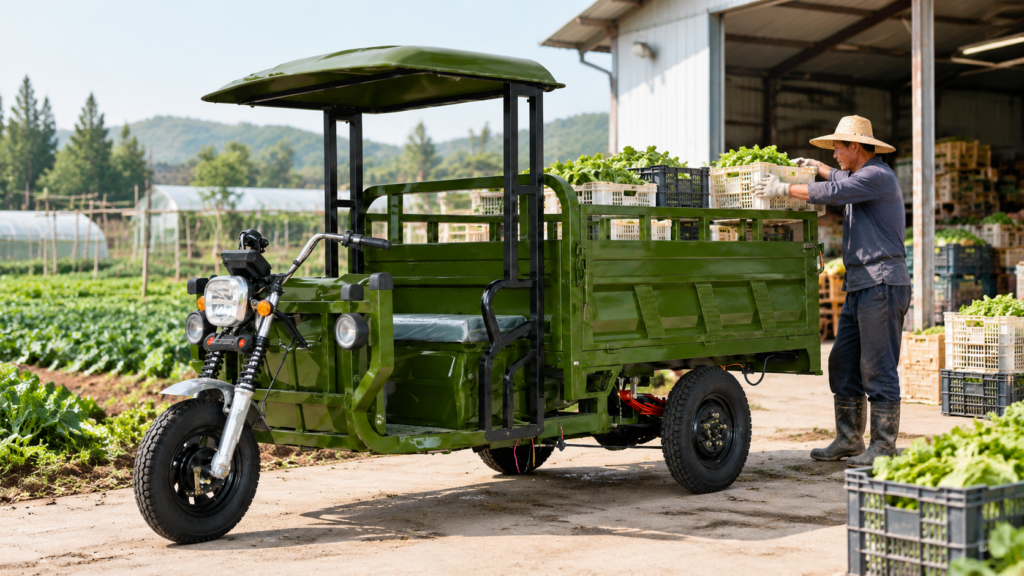
How to Choose Electric Three Wheelers for Small Business Transportation
Learn how to choose electric three wheelers for small business transportation. Compare cargo tricycle features, payload needs, and manufacturer selection tips for efficient local delivery.
Read More Company News
TRI-GLOBAL Launches New Tuk Tuk X Series with Upgraded Lithium Battery
Discover the Xinhuanhai Tuk Tuk X Series with an upgraded lithium battery system, reinforced chassis and flexible passenger configurations.
Read More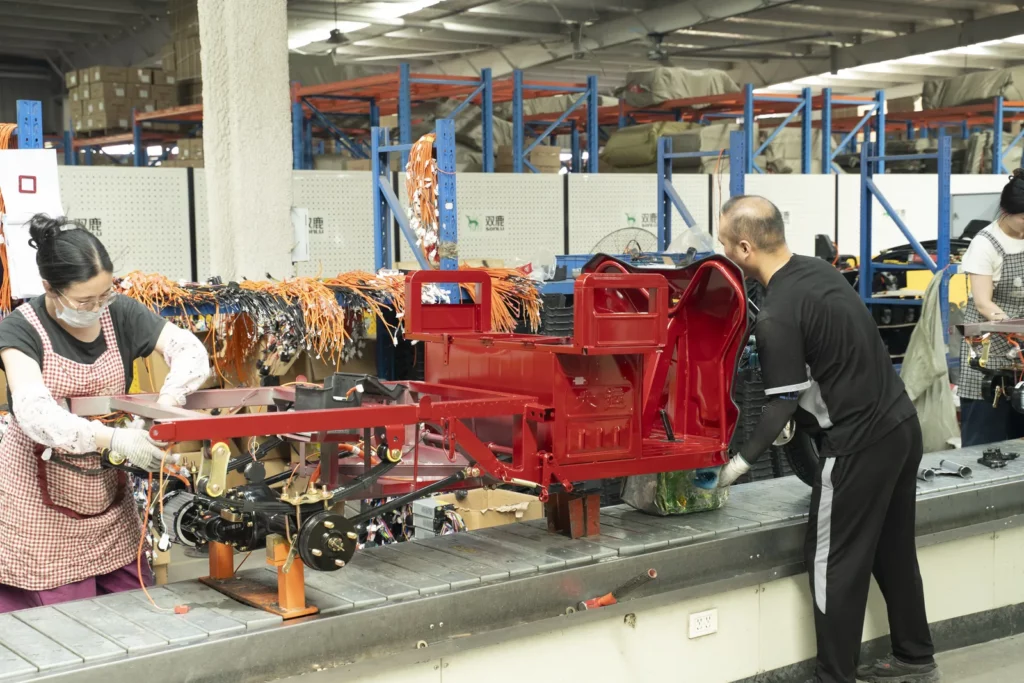 Company News
Built Straight, Built to Last: Why Frame Alignment Matters in Electric Tuk Tuk Production
Learn why frame alignment, welding consistency and correct mounting points matter for electric tuk tuk durability and daily operation.
Read More