


TRI-GLOBAL News & Insights
In-depth articles, product stories and thought leadership from TRI-GLOBAL.
Essential Spare Parts for Electric Tricycle Importers and Distributors
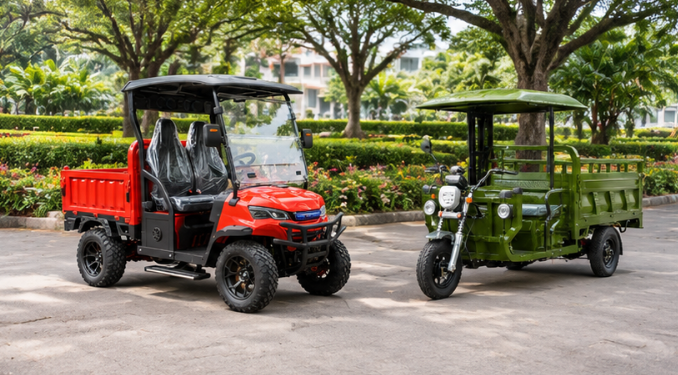
1. Why Spare Parts Planning Is Important for Electric Tricycle Distributors
For electric tricycle importers, purchasing vehicles is only the beginning of a long-term distribution business. Once vehicles reach the destination market, local dealers and operators need access to maintenance information, replacement components and technical support. Without a suitable spare-parts plan, even a relatively small component problem may cause unnecessary vehicle downtime.
This is particularly important for commercial passenger and cargo vehicles. A passenger tuk tuk used for daily transportation may generate operating income for its owner. A cargo tricycle may be responsible for moving products between warehouses, markets and delivery locations. If either vehicle remains unavailable while waiting for a replacement component, the operator may experience additional costs and inconvenience.
Importers should therefore think about spare parts before placing their first large order. The initial purchase plan should include not only the number of vehicles but also the vehicle models, component configurations, expected service requirements and local repair capabilities.
Different electric tricycle models may use different controllers, motors, brake systems, suspension structures and electrical accessories. A component that looks similar may not be compatible with another model. This is why distributors should request model-specific parts lists and technical identification information from their supplier.

2. Which Electric Tricycle Components Should Distributors Consider Stocking
The first category to evaluate is regular wear and maintenance components. Depending on the vehicle configuration and operating environment, these may include tyres, brake shoes, brake cables, brake-related components, suspension parts, bearings, fasteners and lighting accessories. These items should be selected according to actual vehicle specifications and expected usage.
Electrical components form another important category. Controllers, switches, wiring harnesses, connectors, charging accessories and related electrical parts may be required when diagnosing or repairing vehicle electrical problems. Distributors should pay particular attention to compatibility between the motor, controller, battery and charger. Ordering the wrong electrical component can create additional diagnostic work and may lead to installation problems.
Battery-related components also require careful planning. Battery type, voltage, capacity, dimensions and connection arrangements must match the approved vehicle configuration. Buyers should understand the correct replacement procedure and safety requirements before arranging local battery service. Batteries should be handled and replaced by qualified personnel following the manufacturer's instructions.
Body and structural components may also be important for commercial operators. Depending on the model, distributors may need to consider mirrors, lamps, seat components, cargo bed panels, hinges, locks, mudguards and other exterior parts. For four-side-opening cargo tricycles, the condition and compatibility of hinges and locking components may be particularly relevant.
The correct inventory should not be based on guesswork. A distributor with a small number of passenger vehicles may need a different spare-parts package from one operating a large cargo fleet. Historical replacement data, vehicle utilization and local road conditions can help determine which components deserve priority.
3. How to Build a More Efficient Spare Parts Inventory System
A useful spare-parts system begins with accurate model identification. Distributors should organize parts according to vehicle model, production configuration, component name and part number whenever available. Photographs and technical drawings can help local service teams identify components more accurately.
It is also useful to divide spare parts into different priority levels. Frequently used wear components may require a higher stock level, while less frequently replaced components can be purchased according to demand. This approach helps distributors avoid holding excessive inventory while maintaining access to parts that are important for regular vehicle operation.
The supplier relationship should also be considered. Before confirming a vehicle order, importers should ask about the availability of replacement parts, order lead times, minimum order quantities, warranty procedures and technical documentation. These details should be discussed together with the vehicle quotation rather than postponed until a maintenance problem occurs.
Xinhuanhai's international business model includes coordination of spare-parts support and after-sales services for overseas customers. Through its TRI-GLOBAL product range, the company serves passenger transportation, cargo logistics and delivery applications. Distributors can discuss model-specific parts requirements and service preparation when planning an initial order or developing a local dealership network.
For long-term distribution, spare-parts management should be treated as part of the product offering. A dealer that can provide vehicles together with appropriate service components and technical information is better prepared to support commercial customers throughout the ownership period.
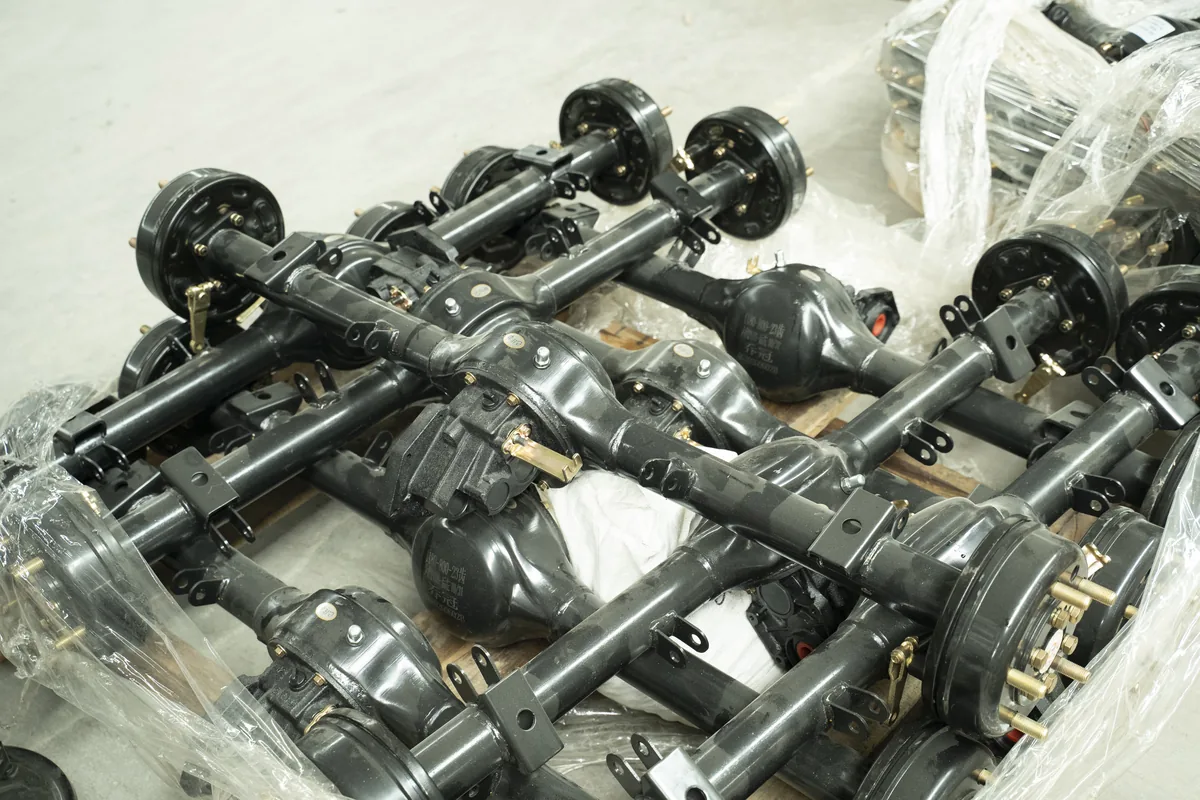

Conclusion
Spare-parts planning is an essential part of building an electric tricycle distribution business. Importers should identify model-specific components, prioritize commonly required service items, establish accurate parts records and confirm replacement procedures before vehicles enter the local market. By planning inventory together with vehicle procurement, distributors can provide more organized after-sales support. Xinhuanhai offers overseas partners an opportunity to discuss vehicle supply, spare-parts coordination and service requirements for different electric tricycle models.
Related Articles
 Company News
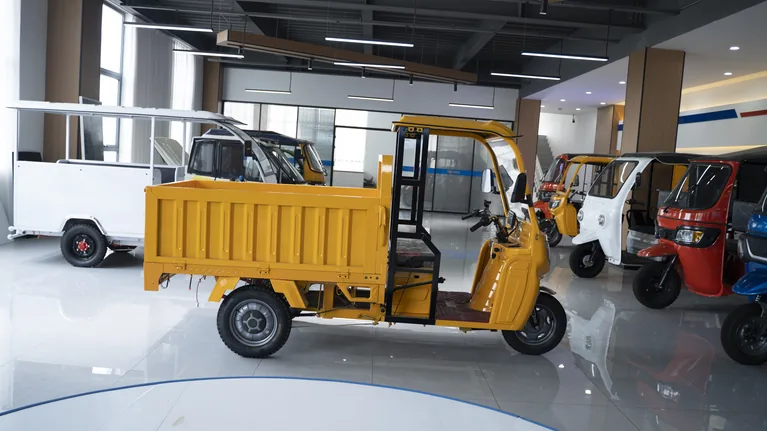
A Simple Canopy, an Open Bed and a Full Day of Useful Work
See how a simple-canopy electric cargo tricycle supports farms, markets and small businesses with an open bed, practical loading and daily versatility.
Read More Tuk Tuk Technology
Lead-Acid vs Lithium Batteries for Electric Tuk Tuks: A Practical Comparison
Compare lead-acid and lithium batteries for electric tuk tuks by cost, weight, charging, climate, maintenance and fleet duty cycle.
Read More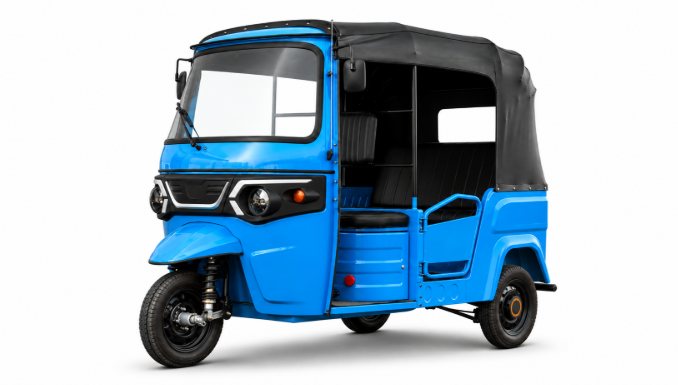 Company News
Lower Maintenance, More Working Days: The Ownership Advantage of Electric Tuk Tuks
Learn how simpler electric drivetrains, routine inspections and spare-parts planning can support lower maintenance and more working days.
Read More