


TRI-GLOBAL News & Insights
In-depth articles, product stories and thought leadership from TRI-GLOBAL.
How Electric Tuk Tuks Can Support Passenger Transportation in Senegal
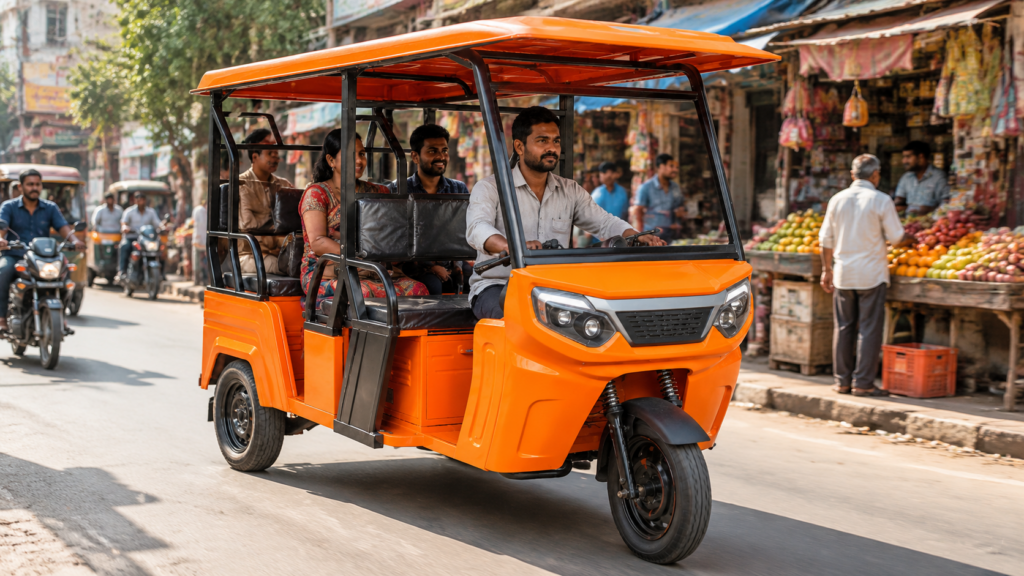
Senegal is developing its urban transportation network as cities expand and mobility demands become more diverse. In Dakar and surrounding communities, residents depend on buses, shared taxis and other transportation services to travel between residential areas, workplaces, commercial districts and public transport connections. The introduction of electric Bus Rapid Transit (BRT) services also reflects growing investment in modern urban mobility.
Within this changing transportation environment, electric tuk tuks may offer additional options for selected short-distance passenger services. Their compact size, flexible seating arrangements and electric drivetrains can support neighborhood transportation, private shuttles and organized local mobility applications. However, their suitability depends on local regulations, infrastructure and operating conditions. For international importers and Senegalese distributors, choosing the right electric tuk tuk requires a clear understanding of both transportation demand and vehicle performance.
1. Exploring Short Distance Passenger Transportation Opportunities in Senegal
Urban mobility requirements vary significantly across Senegal.
Dakar has a developing public transportation network that includes buses, the Train Express Régional (TER) and an electric BRT system. These services provide important connections across the metropolitan area, but passengers may still need convenient transportation between their final destinations and established public transport stops.
Where local regulations permit, compact electric passenger vehicles could potentially complement larger transportation systems by serving selected short-distance connections.
For example, residential communities, private developments and organized shuttle operators may require vehicles capable of carrying small passenger groups over relatively short routes.
A compact electric tuk tuk can be considered for these applications because its dimensions may be suitable for narrow access roads and limited parking areas.
Tourism and hospitality represent another potential application.
Hotels, resorts and tourist facilities may require short-distance guest transportation between accommodation buildings, restaurants, reception areas and recreational locations.
In destinations such as Saly or other coastal tourism areas, electric tuk tuks could be evaluated for private guest transfers or sightseeing services where appropriate permissions and operating conditions exist.
However, importers should not assume that every Senegalese city offers the same commercial opportunity.
Passenger demand, road conditions, local transportation habits and purchasing budgets can differ substantially between Dakar, Saint-Louis, Thiès and smaller communities.
Before introducing electric tuk tuks, distributors should investigate:
- Typical passenger demand and journey distance
- Existing transportation alternatives
- Road conditions and traffic restrictions
- Customer purchasing budgets
- Charging availability
- Local registration and operating requirements
A successful business opportunity should be supported by identifiable customers and practical operating routes rather than general expectations about electric mobility growth.
2. Choosing Electric Tuk Tuk Configurations for Senegalese Transport Applications
Selecting the right vehicle configuration is essential for passenger transportation.
A vehicle serving neighborhood routes may require different specifications from one operating as a hotel shuttle or carrying groups of visitors within a private tourism facility.
Passenger capacity is one of the first considerations.
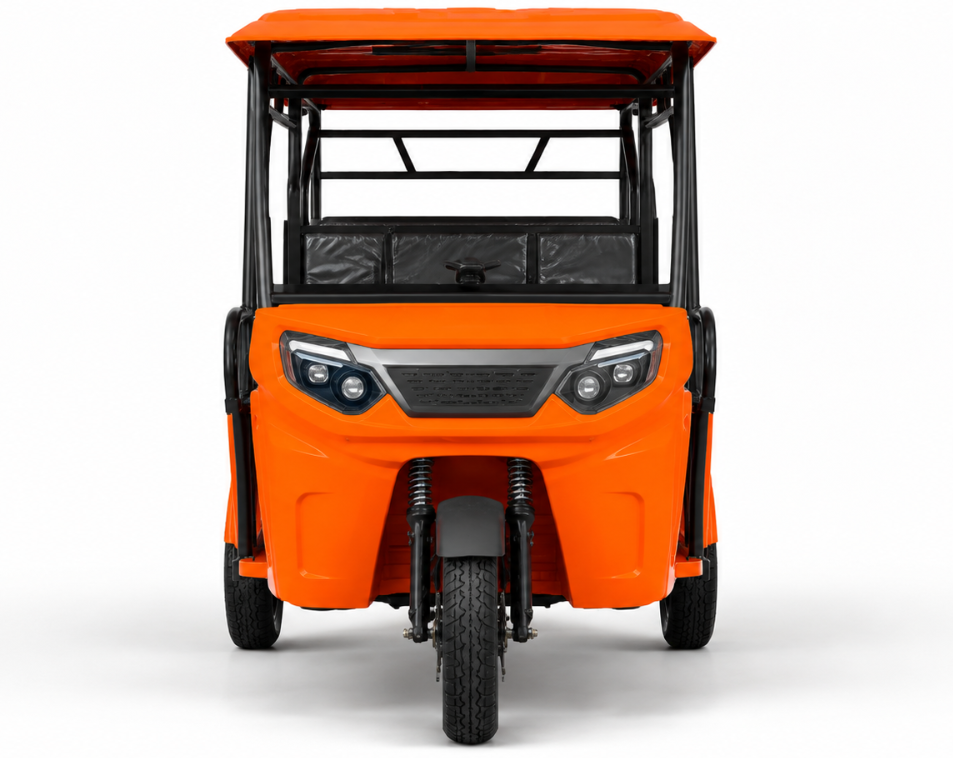
A compact 3+1 electric tuk tuk can accommodate a driver and three passengers, making it an option for smaller transportation services.
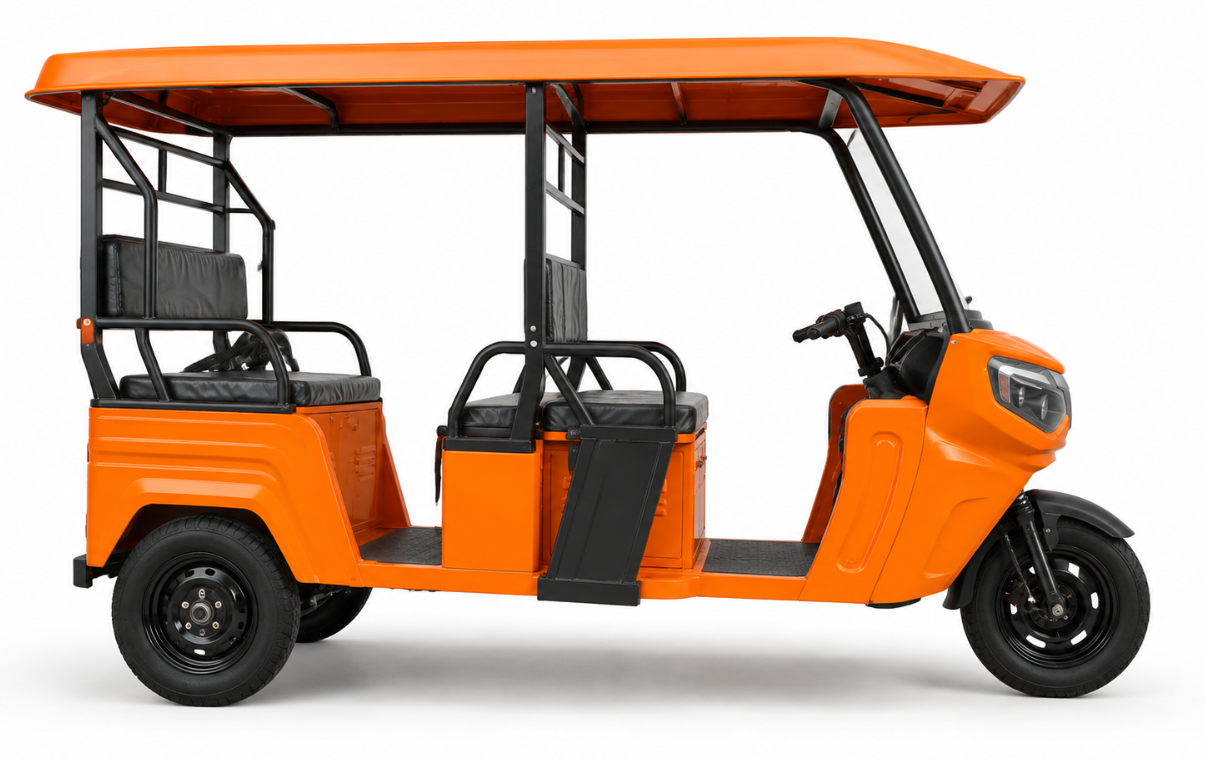
For applications requiring additional seating, a 6+1 electric tuk tuk may provide greater passenger capacity and a different operating model.
TRI-GLOBAL, the international electric vehicle brand associated with Shanghai Xinhuanhai International Trade Co., Ltd., offers several passenger electric tuk tuk configurations for overseas buyers.
Its Standard Single-Row Electric Tuk Tuk 3+1 features a 2000W motor, a 60–72V electrical system and a compact passenger layout designed for short-distance mobility.
For larger passenger groups, the Deluxe Double-Row Open-Canopy Electric Tuk Tuk 6+1 offers a 2000W motor, double-row seating and a manufacturer-stated payload capacity of at least 600 kg.
The open-canopy configuration may be attractive for selected warm-weather passenger applications where ventilation and easy passenger access are important.
However, passenger comfort should also be evaluated during Senegal's rainy season. Canopy coverage, seating materials and protection from rain or road splash can influence the suitability of a vehicle.
Road conditions deserve equal attention.
Vehicles operating on paved urban streets may face different requirements from those used on uneven secondary roads or routes with frequent speed bumps.
Motor power, suspension, braking and battery capacity should therefore be selected together.
Charging arrangements are another important consideration. Operators should assess daily mileage, expected working hours, electricity availability and the time available for charging.
Rather than selecting a vehicle based only on its advertised specifications, Senegalese buyers should evaluate actual passenger loads and operating routes before finalizing the configuration.
3. Building a Sustainable Electric Passenger Transport Business Through Local Partnerships
Introducing electric tuk tuks into Senegal requires more than importing suitable vehicles.
Long-term commercial success also depends on local distribution, maintenance capability, spare-parts availability and customer confidence.
For distributors entering a developing electric mobility segment, a gradual market-entry strategy can help reduce purchasing risks.
Instead of importing a large fleet immediately, businesses can begin with a small number of vehicles for demonstrations or controlled pilot operations.
Potential customers may include private shuttle operators, hotels, resorts, commercial facilities and organizations requiring internal passenger transportation.
Pilot testing allows buyers to evaluate passenger comfort, driving performance, actual energy consumption and charging requirements under local conditions.
It also provides an opportunity to identify maintenance challenges before expanding the fleet.
Reliable technical support is particularly important.
Commercial passenger vehicles may operate frequently, making unexpected downtime costly for operators. Distributors should therefore establish access to suitable replacement components and maintenance information.
Shanghai Xinhuanhai International Trade Co., Ltd., through its TRI-GLOBAL brand and manufacturing cooperation with Xuzhou Youyi Power Equipment Co., Ltd., connects electric tricycle production resources with international sales and export services.
The company offers passenger electric tuk tuks in different configurations and promotes OEM customization, spare-parts supply and technical communication for overseas distributors.
For Senegalese importers, these services provide opportunities to discuss vehicle specifications, branding requirements, battery options and after-sales preparation before placing commercial orders.
French-language communication can also be valuable when developing local distribution networks.
Providing product information, operating instructions and maintenance materials in French may help local sales teams, technicians and customers understand the vehicles more effectively.
Importers should also confirm vehicle classification, registration, passenger transport authorization and applicable road-use restrictions with the relevant Senegalese authorities before importing for commercial operation.
Once a pilot project begins, distributors can monitor operating expenses, vehicle availability, passenger feedback and maintenance requirements.
These results can help determine whether electric tuk tuks are commercially suitable for particular Senegalese transportation applications.
Conclusion
Electric tuk tuks may support passenger transportation in Senegal by providing additional mobility options for selected short-distance routes, private shuttles and tourism-related services.
However, successful adoption depends on actual customer demand, suitable road conditions, reliable charging access and compliance with local transportation regulations.
For importers and distributors, choosing appropriate passenger capacity, motor performance, battery configuration and maintenance arrangements is essential.
With different passenger electric tuk tuk models and international supply services available through TRI-GLOBAL, overseas buyers can explore vehicle configurations suited to their intended applications.
The most effective approach is to identify specific transportation needs, verify legal and technical suitability, test vehicles under local conditions and expand only when operational results support further investment.
By combining suitable electric three-wheelers with local distribution and after-sales capabilities, Senegalese businesses can evaluate new opportunities in short-distance passenger mobility.
Related Articles
 Company News
Built for the Route You Drive Again and Again
See how a reliable 6+1 electric tuk tuk supports repeat passenger routes, staff transport, family travel and daily shuttle operations.
Read More Company News
The Vehicle That Starts Work Before the Shop Opens
See how the Loader 1.8 electric cargo tricycle supports family businesses, farms and local deliveries from the first job of the day.
Read More Company News
From Market Request to Production Plan: Xinhuanhai’s OEM/ODM Workflow
Follow Xinhuanhai's OEM/ODM workflow from local market requirements and sample review to controlled electric tuk tuk production.
Read More