
TRI-GLOBAL News & Insights
In-depth articles, product stories and thought leadership from TRI-GLOBAL.
Before the Assembly Line Starts: How Xinhuanhai Controls Incoming Materials
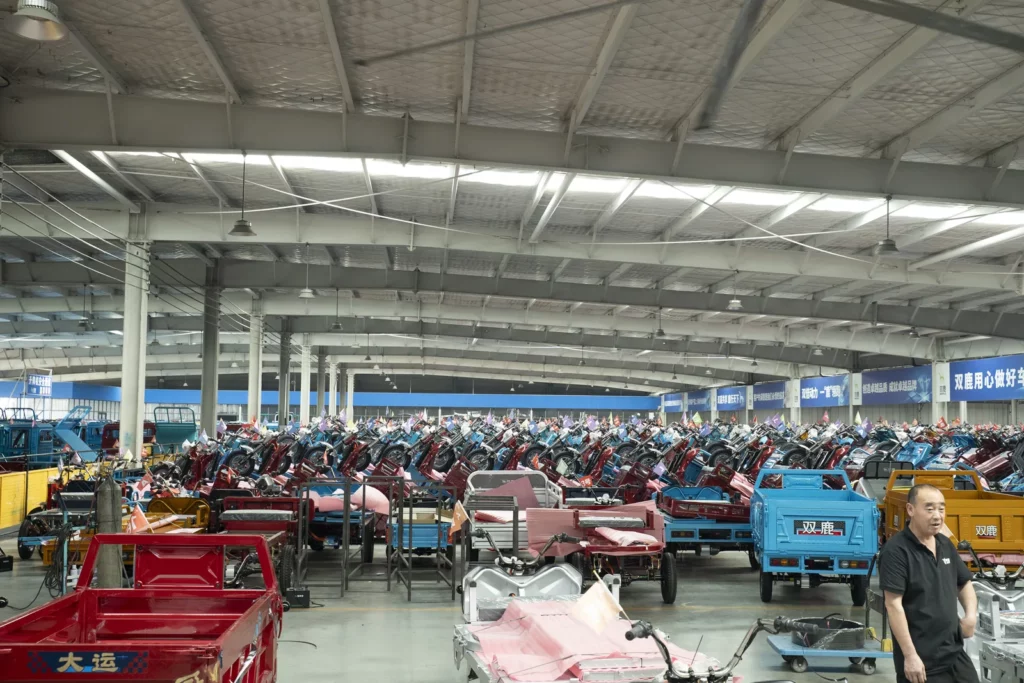
A dependable electric tuk tuk begins long before the first vehicle reaches the assembly line. It begins when steel parts, fasteners, electrical components, wheels and body panels arrive at the factory. Every later production step depends on those materials being suitable for the vehicle specification and consistent from batch to batch.
At Xinhuanhai, we treat incoming material control as the first layer of export quality. It is not a dramatic part of manufacturing, but it is one of the most important. Careful preparation here helps reduce rework, protects delivery schedules and gives overseas buyers a more stable product.
Quality Starts with a Clear Specification
Inspection only works when the production team knows exactly what it is checking. Before an order is released, the confirmed specification should identify the frame type, motor power, controller, battery system, wheel and tire size, brake configuration, body style, color and any market-specific accessories.
For OEM and ODM orders, this specification becomes the common language between the customer, Xinhuanhai and the manufacturing team. It reduces ambiguity and helps purchasing staff source the right materials for the intended payload, road conditions and daily working hours.
Structural Parts Must Support Real Work
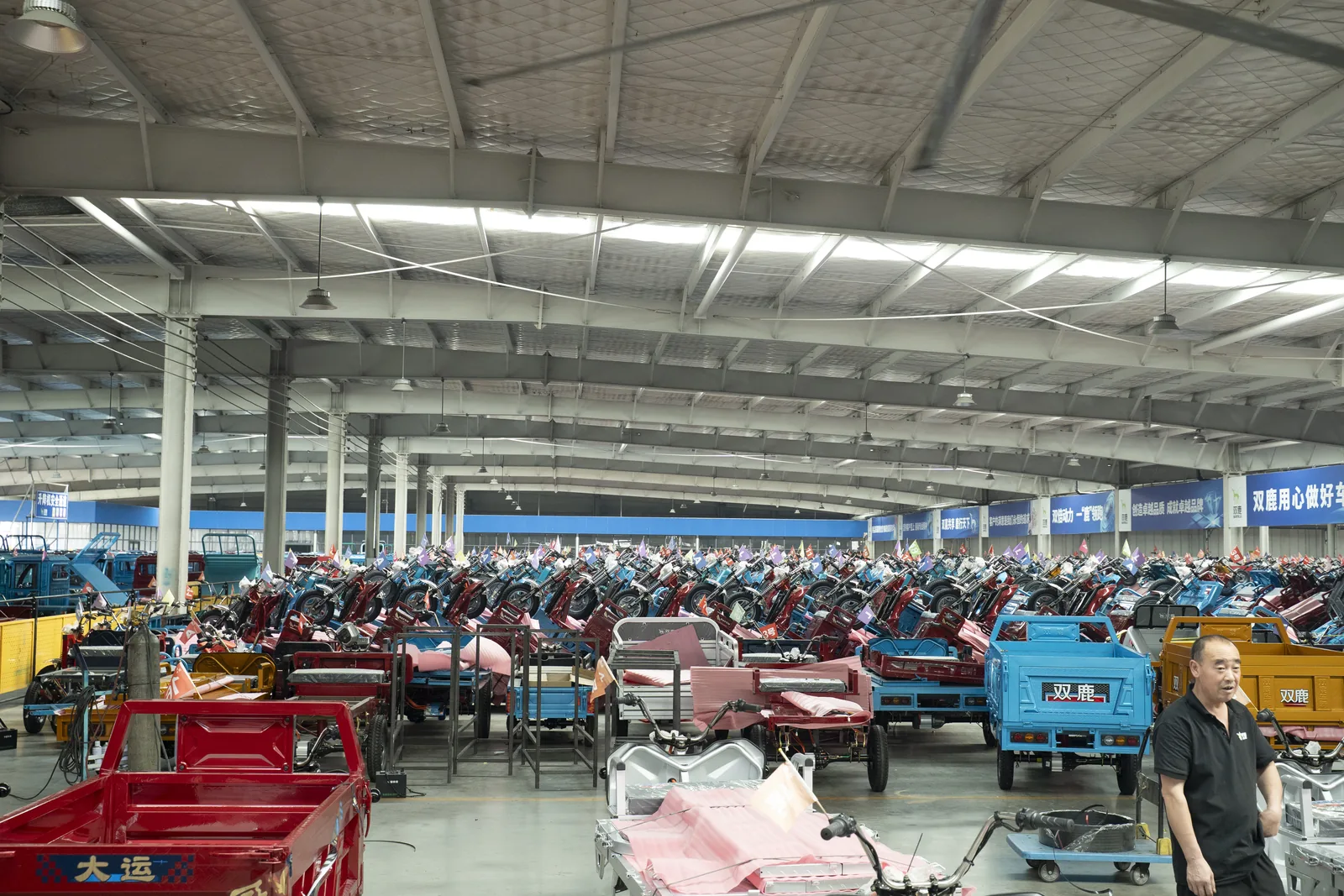
Electric three-wheelers often spend their lives carrying passengers, parcels, farm products or shop supplies. Their structural parts therefore need more than a clean surface. Dimensions, welding locations, mounting points and compatibility with the selected suspension and axle system all matter.
Incoming checks help identify obvious deformation, surface damage or dimensional inconsistencies before those parts are built into a vehicle. Addressing a problem at this stage is faster and more economical than finding it after painting or final assembly.
Electrical Components Need Matching, Not Guesswork
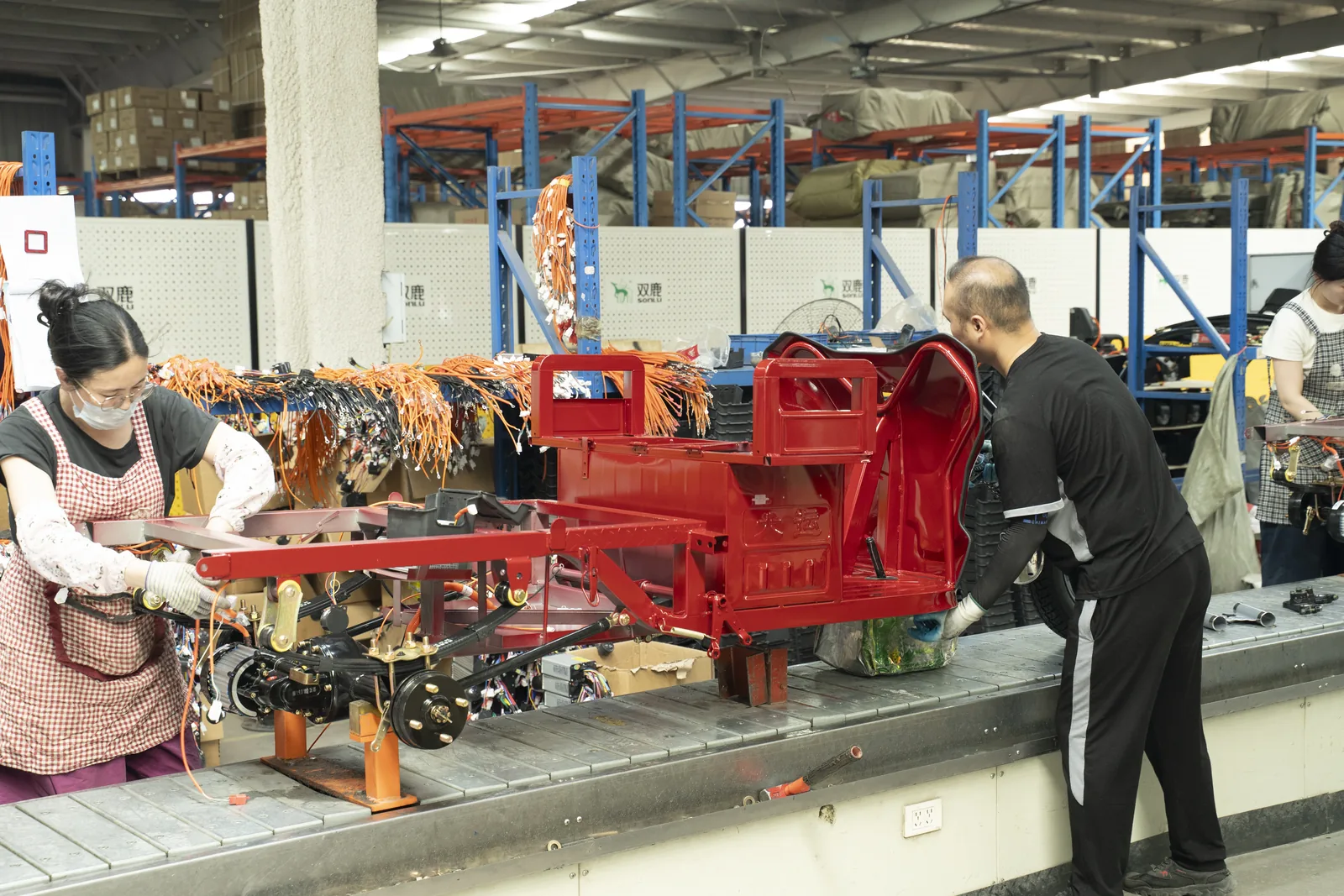
The battery, controller, motor, charger, wiring harness and switches must work as one system. A component may look correct on its own but still be unsuitable for the selected voltage, current or operating environment. Matching parts before installation makes later testing more meaningful and future maintenance easier.
Labels, connectors, wiring length, insulation condition and basic model identification are practical details that deserve attention. For export orders, stable component selection also supports spare-parts planning for distributors and service teams.
A Small Step That Protects the Whole Order
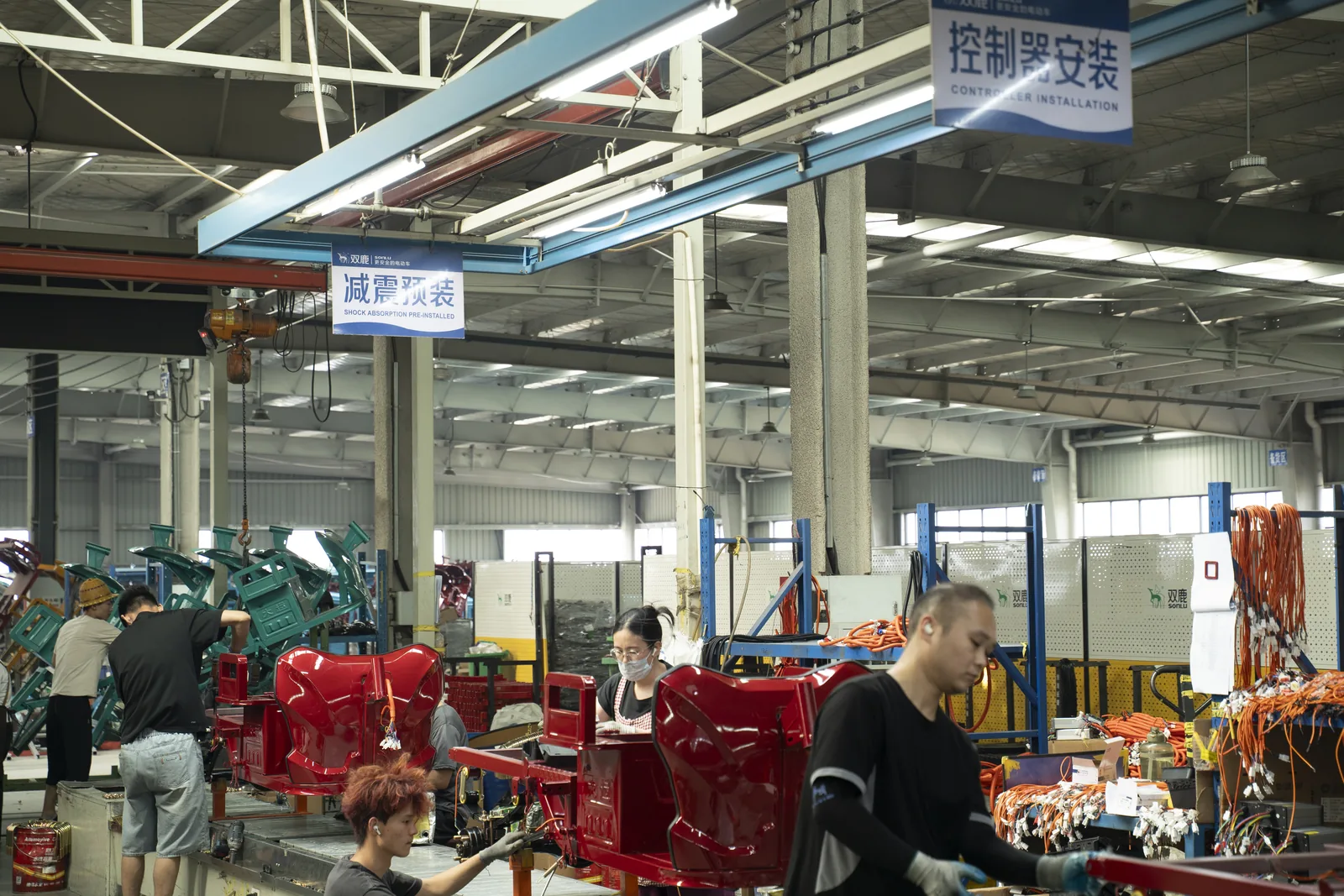
Incoming material control is not about slowing production. It is about preventing unsuitable parts from creating larger problems later. When materials are organized and checked before use, technicians can focus on correct assembly and the factory can maintain a steadier production rhythm.
For importers, this first checkpoint adds confidence that quality is being managed throughout the order rather than inspected only at the end. Customers are welcome to discuss component standards, sample approval and inspection requirements with the Xinhuanhai team before production begins.
Planning a new electric tuk tuk project? Contact Xinhuanhai to review your target market, vehicle configuration and quality requirements.
Related Articles
 Company News
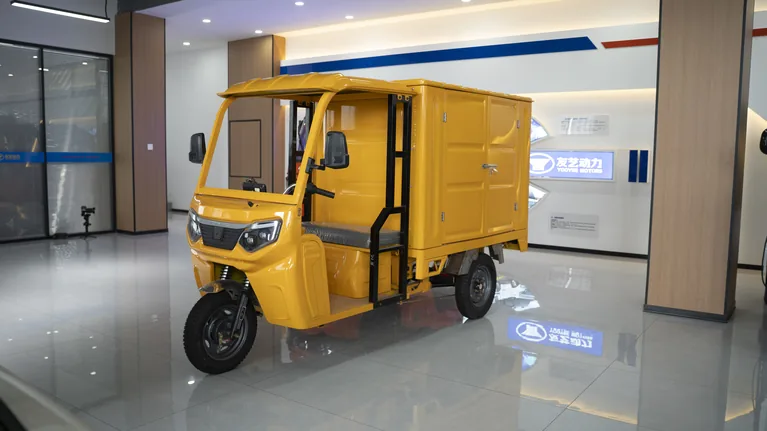
A Moving Storehouse for the Things Customers Are Waiting For
Learn how an enclosed-box electric cargo tricycle protects parcels and goods while supporting reliable last-mile delivery and mobile business branding.
Read More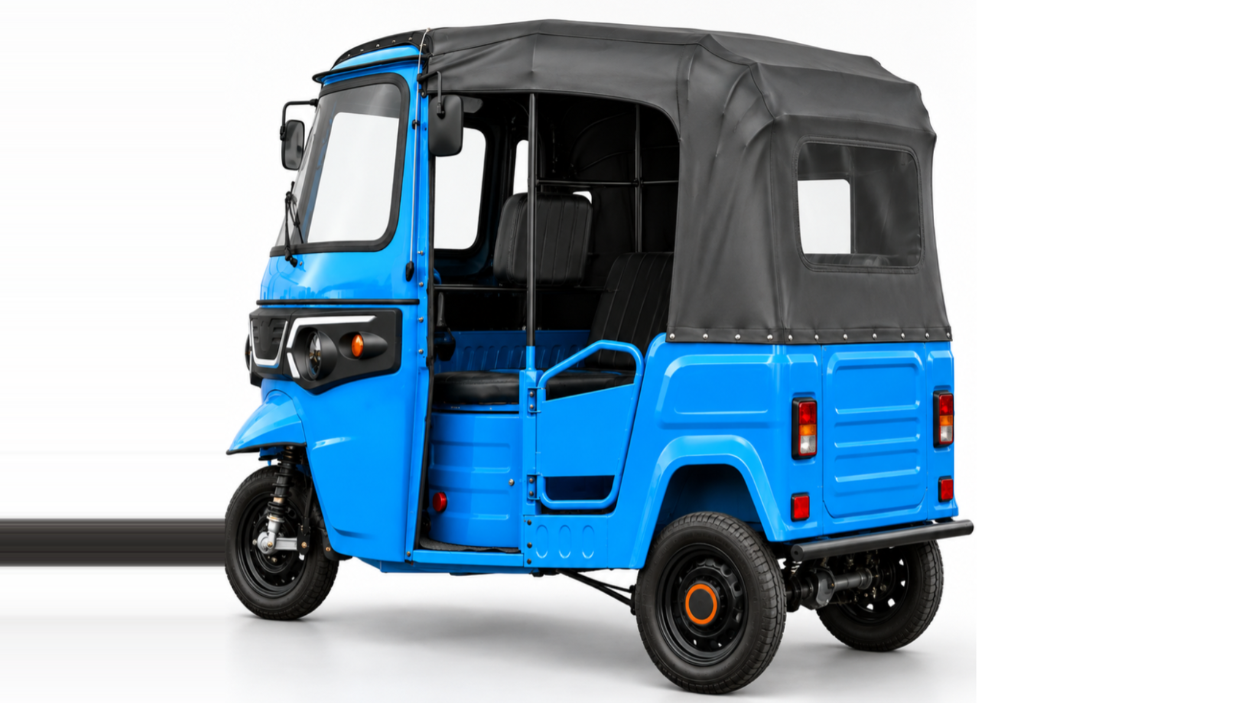 Tuk Tuk Technology
How to Choose the Right Electric Tuk Tuk for Your Market
Electric tuk tuks are used in very different environments around the world. A vehicle operating as a passenger taxi in an African city may face very different conditions from one carrying tourists at a resort, transporting passengers within a community, or providing short-distance mobility in a smal…
Read More Company News
The L3 Deluxe: A Friendly Vehicle for Streets That Know Every Neighbor
Meet the L3 Deluxe electric tuk tuk, a compact passenger vehicle designed for narrow streets, villages, neighborhoods and everyday community travel.
Read More