
TRI-GLOBAL News & Insights
In-depth articles, product stories and thought leadership from TRI-GLOBAL.
From Market Request to Production Plan: Xinhuanhai’s OEM/ODM Workflow
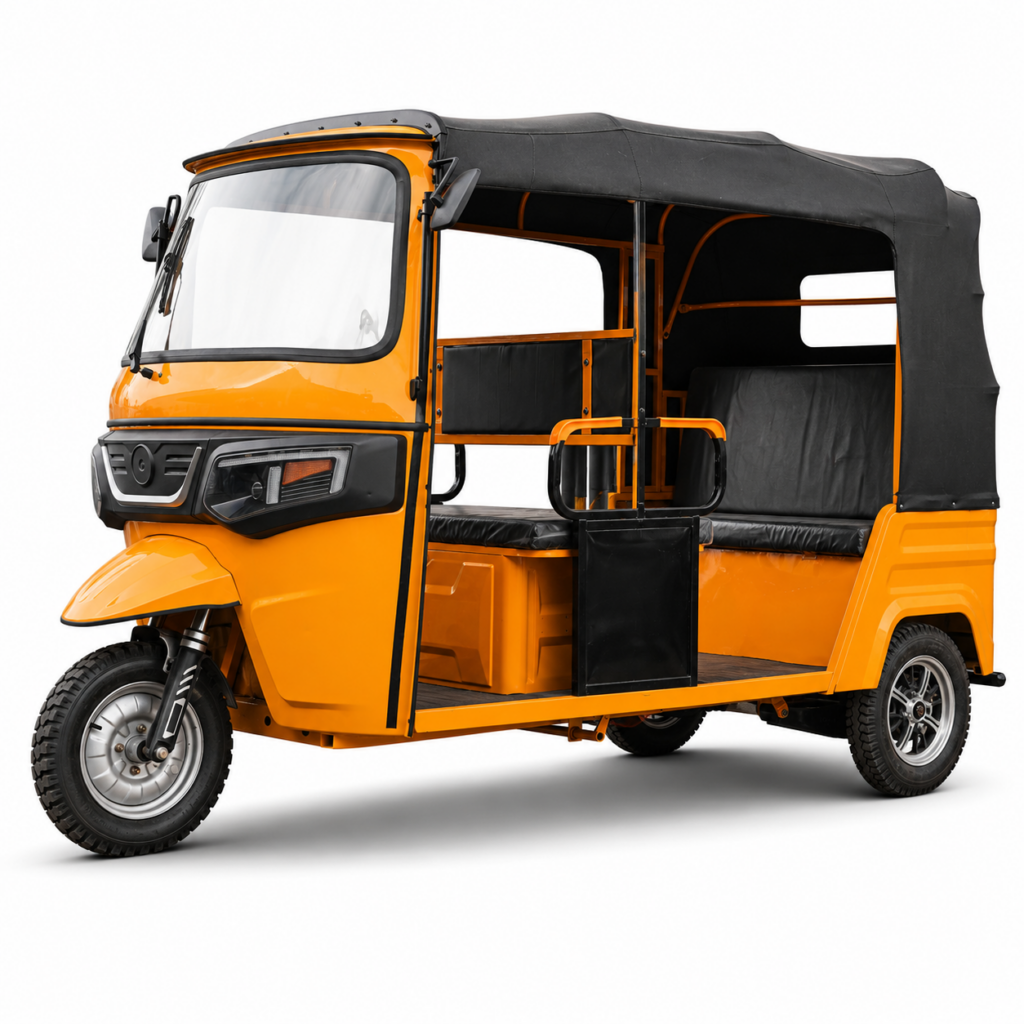
A useful electric tuk tuk is designed around a real route, a real load and a real customer. A passenger vehicle for a resort does not have the same priorities as a cargo tricycle for farm work or an enclosed delivery vehicle for city parcels.
Xinhuanhai's OEM/ODM workflow connects those local needs with practical manufacturing. The goal is not customization for its own sake. The goal is to define changes that improve the vehicle's usefulness while keeping production, service and spare-parts support manageable.
Step One: Understand the Daily Job
The process begins with questions: How many passengers or how much cargo will the vehicle carry? How far will it travel each day? Are the roads flat, hilly, paved or dusty? Is charging available overnight? Does the body need protection from sun or rain?
Answers help narrow down body layout, motor power, battery type, suspension, brake configuration, wheel size and accessories. They also prevent a common sourcing mistake—selecting a model based only on appearance.
Step Two: Turn Requirements into a Buildable Specification
Once the use case is clear, the requirements are organized into a production specification. Standardized items are retained where they already fit the job. Necessary changes—such as cargo-bed dimensions, seating layout, battery capacity, motor rating, body color or branding—are defined in measurable terms.
This stage also reviews compatibility. A larger body, for example, may change weight distribution or loading needs. A higher-capacity battery may require different space, charging and electrical considerations.
Step Three: Confirm the Sample or First Unit
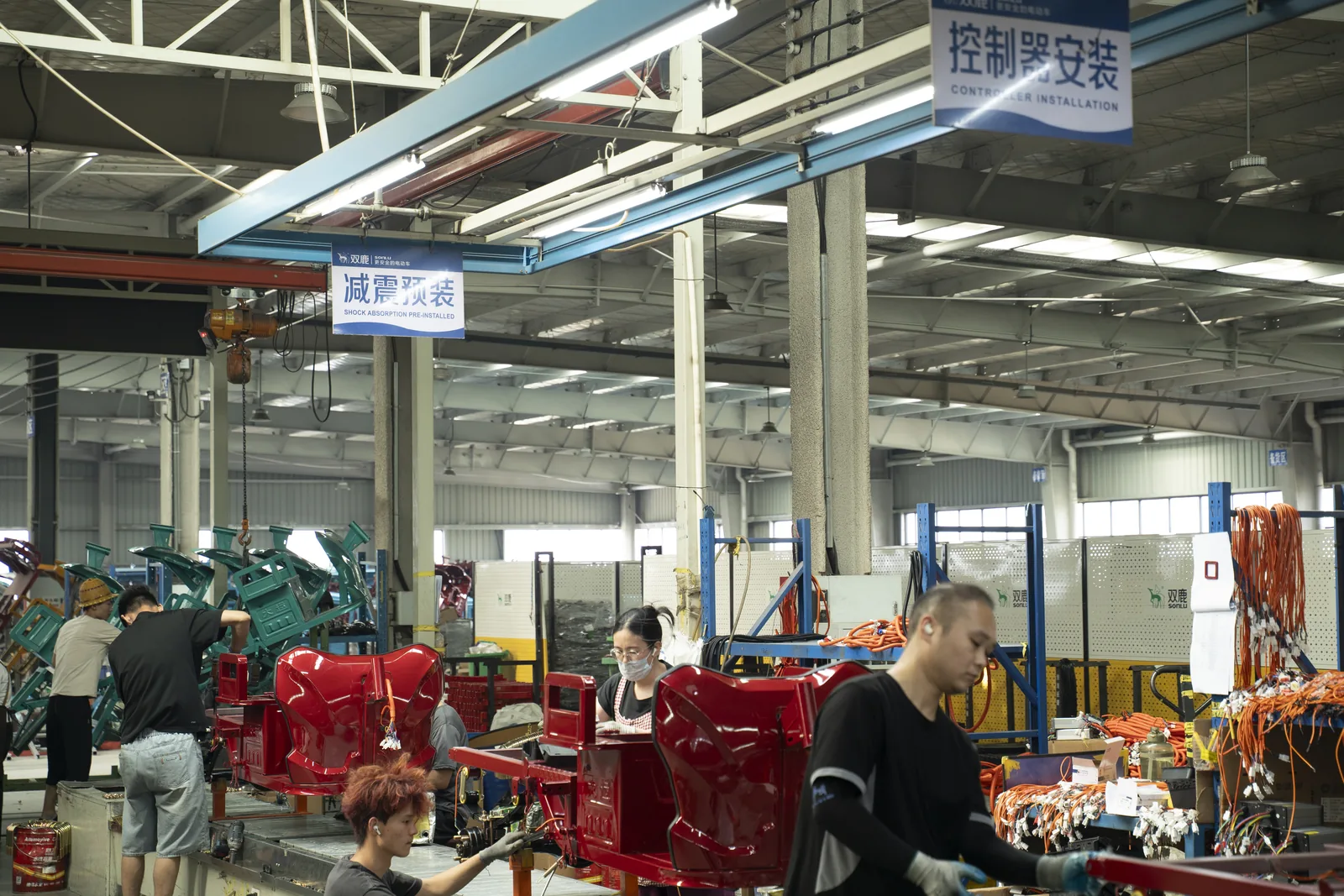
For a new configuration, a sample or first unit gives both sides something concrete to review. Dimensions, access, seating, controls, labels, finish and functional performance can be checked before the full batch moves forward.
Customers who cannot visit in person can use photos, video calls and remote inspection. Clear feedback at this stage is more valuable than discovering a preference after mass production.
Serviceability Is Part of a Good Custom Design
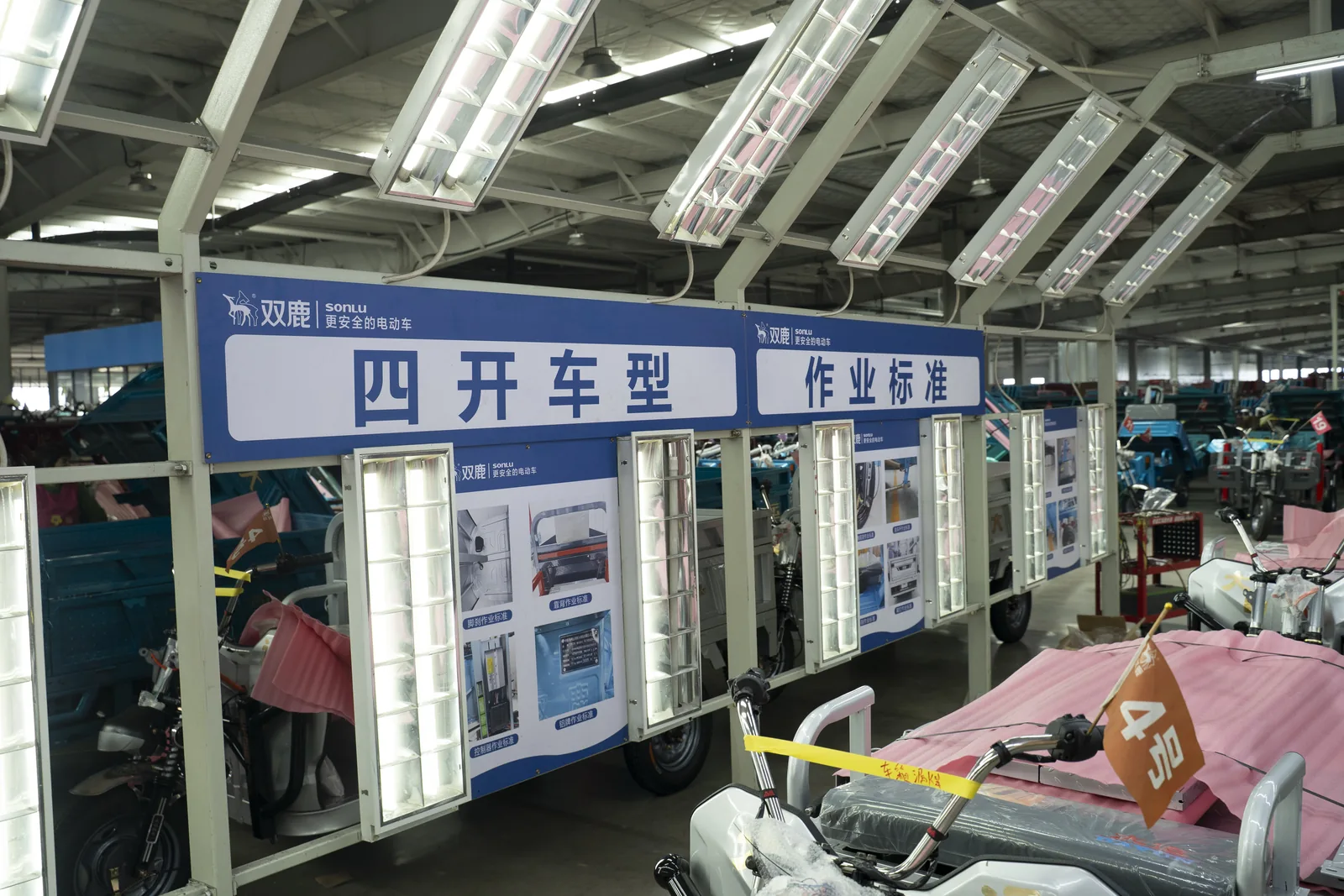
A customized body should not make routine maintenance unnecessarily difficult. Access to the battery, controller, brakes, wiring connections and common wear items needs to be considered before the design is frozen. Local technicians should be able to inspect and replace service parts with practical tools.
Stable component choices also help a distributor stock the right spares. Xinhuanhai therefore considers not only how a custom vehicle looks on delivery day, but also how it will be supported after months and years of daily use.
Step Four: Control Changes During Batch Production
After approval, production should follow the confirmed configuration. Xinhuanhai coordinates communication between the buyer and factory so that changes are documented instead of passed informally from one workstation to another.
The same thinking continues into packing, spare parts, manuals and after-sales planning. A customized vehicle is only successful when it can be delivered, maintained and supported in its destination market.
If you are developing an electric tuk tuk for a specific country or business, send Xinhuanhai your route, payload, climate and charging conditions. We will help turn that information into a practical manufacturing plan.
Related Articles
 Company News
What Makes a Reliable Electric Tuk Tuk Chassis for Daily Commercial Use
For commercial electric tuk tuks, the chassis is one of the most important structural components affecting long-term vehicle reliability. While buyers often focus on motor power, battery capacity and driving range, the chassis determines how effectively the vehicle supports passenger loads, absorbs …
Read More Tuk Tuk Technology
How TRI-GLOBAL Controls Electric Tuk Tuk Quality During Production
For international distributors and commercial fleet buyers, electric tuk tuk quality is not determined only by appearance or the specifications printed in a product brochure. The real measure of manufacturing quality is whether each vehicle is assembled consistently, operates according to its agreed…
Read More Company News
Electric Tuk Tuk Price Guide and the Key Factors That Affect Cost
When overseas buyers search for an electric tuk tuk, price is often one of the first questions they ask. However, there is rarely one standard price that applies to every electric three-wheeler. Two vehicles that look similar in photos can have significantly different costs because of differences in…
Read More