
TRI-GLOBAL News & Insights
In-depth articles, product stories and thought leadership from TRI-GLOBAL.
How TRI-GLOBAL Controls Electric Tuk Tuk Quality During Production
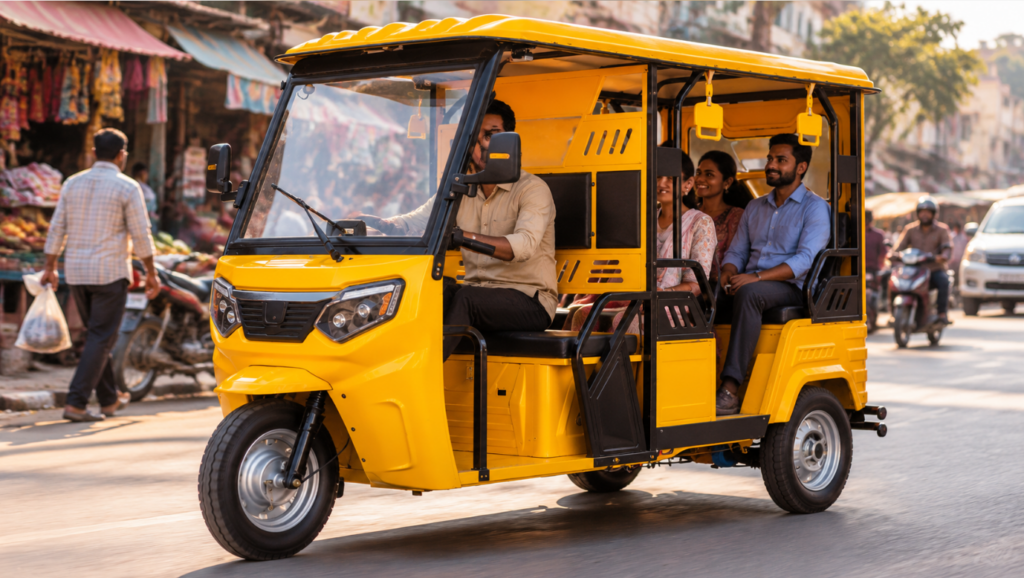
For international distributors and commercial fleet buyers, electric tuk tuk quality is not determined only by appearance or the specifications printed in a product brochure. The real measure of manufacturing quality is whether each vehicle is assembled consistently, operates according to its agreed configuration and can support reliable transportation under everyday working conditions.
Electric passenger tricycles and cargo three-wheelers contain multiple interconnected systems, including the chassis, electric motor, battery, controller, steering, brakes and suspension. A problem in any of these areas can affect vehicle performance or maintenance requirements. This makes production quality control an important consideration for overseas importers.
TRI-GLOBAL, operated by Shanghai Xinhuanhai International Trade Co., Ltd., works with Xuzhou Youyi Power Equipment Co., Ltd. to connect international customer requirements with manufacturing, engineering and quality-control resources. This cooperation provides a framework for managing product specifications, production communication and vehicle inspections throughout the manufacturing process.
1. Quality Control Begins with Component Verification and Accurate Assembly
Consistent vehicle quality starts with ensuring that the production team uses the correct components for each approved configuration.
Electric tuk tuks may have similar exterior designs but different technical specifications. For example, a 2000W passenger model and a 4000W version can require different motors, controllers, electrical components and drivetrain arrangements.
If components are incorrectly matched during production, the finished vehicle may not deliver the performance expected by the customer.
For this reason, specification verification is an important part of manufacturing preparation.
Before assembly, relevant components should be checked against the confirmed production requirements, including motor power, battery voltage, controller specifications, braking system, suspension components and body configuration.
TRI-GLOBAL's manufacturing network emphasizes incoming material checks and component compatibility as part of its production quality approach.
Once materials enter the assembly process, attention shifts to structural accuracy and correct installation.
The chassis provides the foundation for the complete vehicle. Frame alignment, welded connections, suspension mounting points and battery supports influence structural stability and long-term performance.
Assembly personnel must also pay attention to fastener installation, component positioning and the routing of electrical wiring.
Incorrectly secured connections or poorly positioned wiring can create problems that may not be visible during a simple exterior inspection.
For international OEM orders, vehicle appearance must also follow the approved specification. Body colors, passenger seating arrangements, logos and selected accessories should remain consistent with customer requirements.
By connecting component verification with controlled assembly procedures, manufacturers can reduce configuration errors and identify problems before vehicles reach the final inspection stage.
2. Electrical Systems Brakes and Vehicle Functions Require Careful Inspection
Once an electric tuk tuk has been assembled, quality control must extend beyond structural appearance.
The electrical drivetrain is one of the most important systems to verify.
Motor, controller, battery and charger compatibility should be confirmed according to the approved vehicle configuration. Electrical connections, wiring protection and operating functions also require attention.
A vehicle may appear complete while still containing an incorrectly connected component or an electrical function that does not operate as intended.
Functional checks help identify these problems before delivery.
Braking performance is equally important, particularly for passenger vehicles operating in commercial transportation.
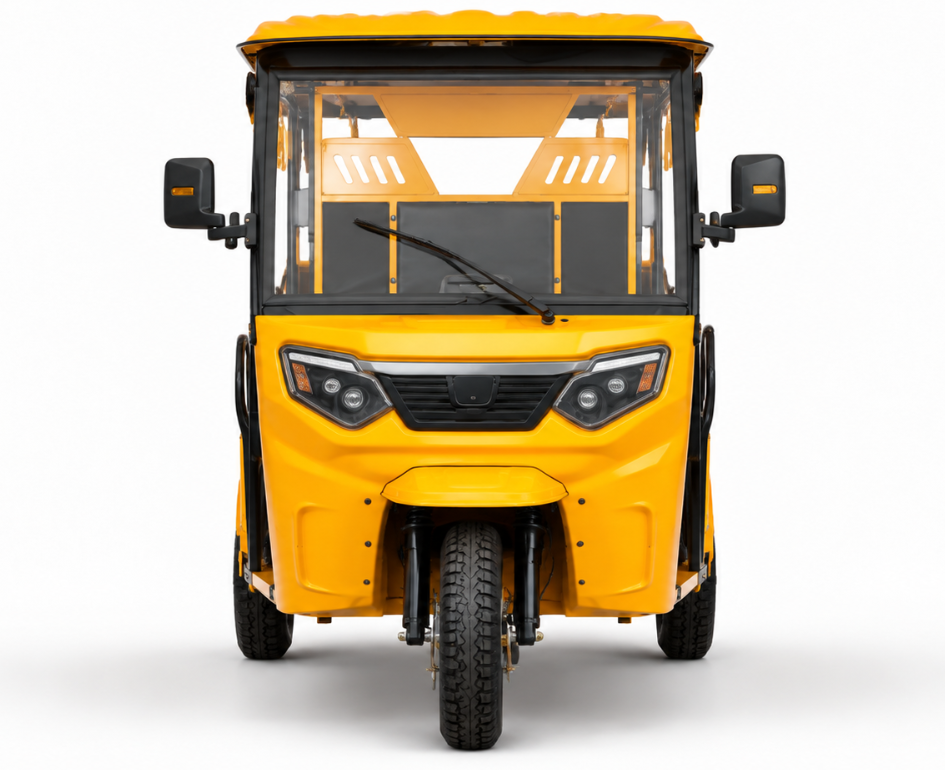
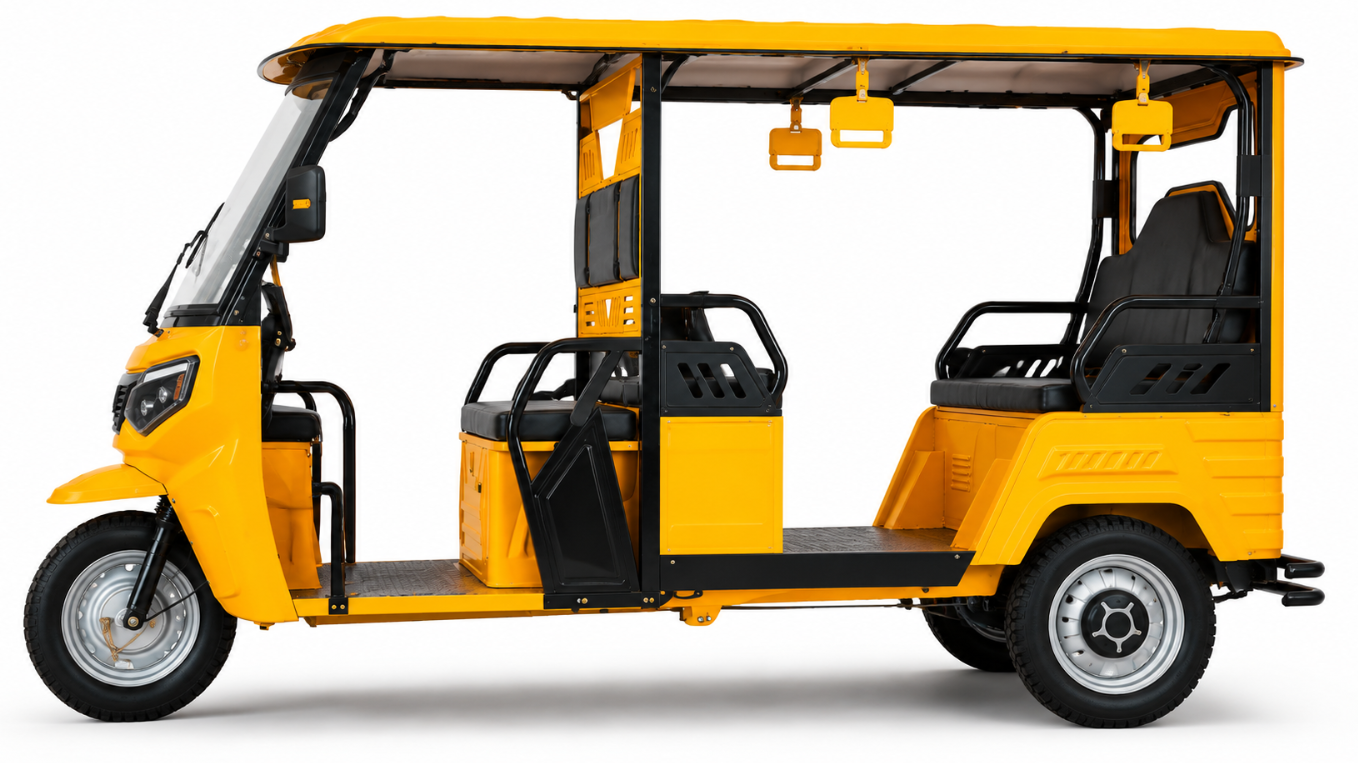
Different TRI-GLOBAL models use different braking arrangements. The Standard Single-Row Electric Tuk Tuk 3+1 features mechanical drum brakes, while the Deluxe Single-Row Electric Tuk Tuk 3+1 uses hydraulic drum brakes.
These differences mean that inspection requirements must follow the specific vehicle configuration rather than one general checklist.
Steering response, suspension operation, lighting, indicators, reverse functions and other controls should also be checked against the applicable technical specification.
For example, TRI-GLOBAL's Deluxe Forward-Facing Double-Row Electric Tuk Tuk 6+1 combines a 4000W motor, hydraulic drum brakes and independent suspension.
Such a configuration requires attention to the interaction between the electrical drivetrain, braking system and chassis during vehicle evaluation.
Where appropriate, functional testing should be followed by controlled driving checks under suitable conditions.
These checks can help identify unusual noise, abnormal vibration, steering problems or inconsistent vehicle behavior.
However, a basic factory driving test should not be treated as proof of every possible operating condition. Actual performance under maximum passenger load, steep gradients or demanding road surfaces may require additional testing.
For overseas buyers, clearly defined inspection requirements make it easier to evaluate whether the finished vehicle meets the agreed technical specifications.
3. Final Inspection and Production Consistency Support Reliable Export Orders
For international customers, manufacturing quality must remain consistent across an entire shipment.
A sample vehicle may perform well, but commercial distributors need confidence that subsequent production units follow the same approved configuration.
This makes final inspection and production consistency important parts of export preparation.
Before shipment, finished vehicles should be reviewed against the agreed order specifications.
Relevant checks can include exterior condition, passenger seating, electrical functions, braking, steering, tyres, lighting, accessories and vehicle identification.
For OEM projects, inspection should also confirm branding details, body color and any approved customization requirements.
Quality records can help identify individual vehicles and support communication if technical questions arise after delivery.
Where required by the purchase agreement, overseas buyers may arrange independent inspections or request supporting photographs and inspection documentation.
Shanghai Xinhuanhai International Trade Co., Ltd. coordinates international customer communication and export arrangements, while its manufacturing partner provides production and quality-control support.
Through this structure, TRI-GLOBAL can coordinate discussions about approved specifications, inspection requirements and shipment preparation with overseas importers.
Packaging also forms part of export quality management.
Electric tuk tuks may be transported as complete vehicles or in agreed partially disassembled configurations. Components should be appropriately secured and protected according to the selected shipping method.
For distributors ordering multiple vehicle models, shipment preparation should also include checking the correct quantities, accessories, spare parts and supporting documents.
Quality management should continue after vehicles reach the destination market.
Feedback from distributors regarding component performance, maintenance requirements and operating conditions can provide useful information for future production orders.
This creates an opportunity to improve product configurations and maintain clearer communication between overseas customers and the manufacturing team.
For commercial buyers, dependable quality is not simply the result of one final inspection. It depends on coordinated control from component selection and assembly through functional verification and export preparation.
Conclusion
Electric tuk tuk quality control requires a systematic approach throughout the manufacturing process.
Component compatibility, chassis assembly, electrical installation, braking performance, functional testing and final shipment inspection all contribute to the reliability of the finished vehicle.
For overseas importers and distributors, consistent specifications and transparent inspection requirements are particularly important when purchasing vehicles in commercial quantities.
Through its cooperation with Xuzhou Youyi Power Equipment Co., Ltd., Shanghai Xinhuanhai International Trade Co., Ltd. connects manufacturing resources with international customer requirements under the TRI-GLOBAL brand.
By combining product configuration coordination, production quality management and export support, TRI-GLOBAL helps overseas buyers establish clearer expectations for electric passenger tricycles and cargo vehicles.
Ultimately, reliable electric tuk tuk manufacturing is not just about completing production. It is about ensuring that every vehicle is built according to the agreed specifications and prepared for dependable use in its intended market.
Related Articles
 Company News
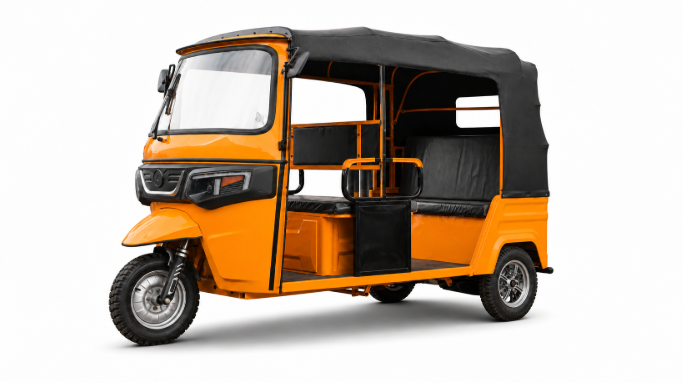
How OEM Electric Tuk Tuk Customization Helps Distributors Enter Local Markets
Entering a new electric tuk tuk market involves more than finding a vehicle and importing it. Distributors need to understand who will buy the vehicle, how it will be used, what customers can afford and which features matter most under local operating conditions. A standard factory configuration may…
Read More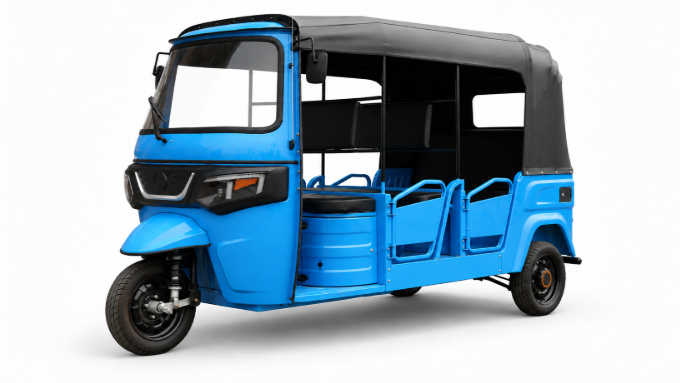 Company News
Why Electric Tuk Tuks Can Improve the Economics of Last-Mile Delivery
See how electric tuk tuks can support lower energy use, easier parking and productive short routes in last-mile delivery operations.
Read More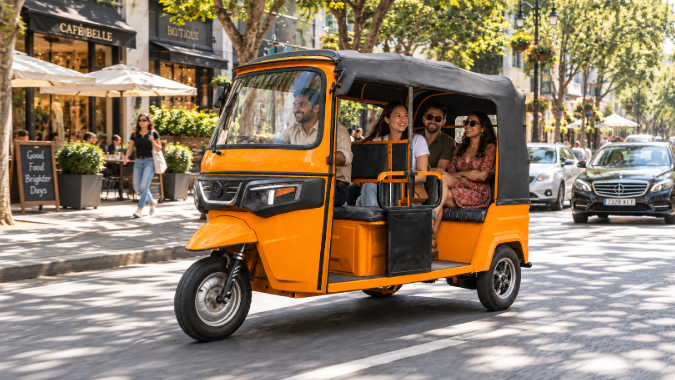 Company News
How to Choose Electric Tuk Tuks for African Roads and Operating Conditions
Choosing an electric tuk tuk for an African market requires more than selecting passenger capacity, motor power and battery size from a specification sheet. The same vehicle may perform very differently depending on road surfaces, gradients, passenger loads, climate, daily mileage and maintenance co…
Read More