

TRI-GLOBAL News & Insights
In-depth articles, product stories and thought leadership from TRI-GLOBAL.
Electric Tuk Tuk Distributor Guide for the Tanzania Market
1. Understanding Potential Applications for Electric Tuk Tuks in Tanzania
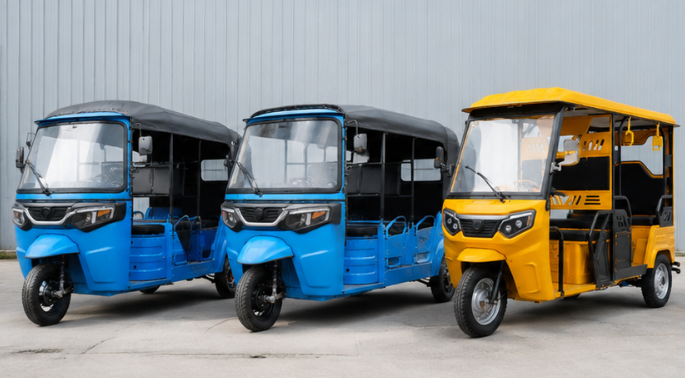
For distributors considering the Tanzanian market, electric tuk tuks should be evaluated according to specific transportation and commercial applications rather than treated as a single vehicle category. Different customers may require passenger transportation, local goods distribution, tourism services or internal transportation within commercial facilities. Understanding these applications is the first step toward building a suitable product portfolio.
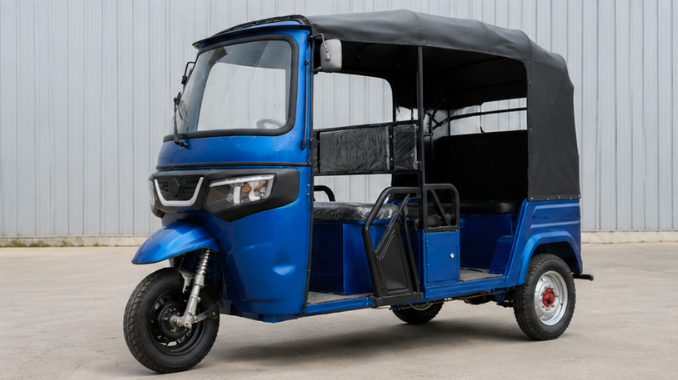
Passenger transportation is one potential area for market development. In urban and suburban environments, operators may evaluate compact three-wheeled vehicles for short-distance trips between residential areas, commercial locations, transport connections and local facilities. The appropriate vehicle configuration will depend on passenger demand, route distance, road conditions and local transportation regulations.
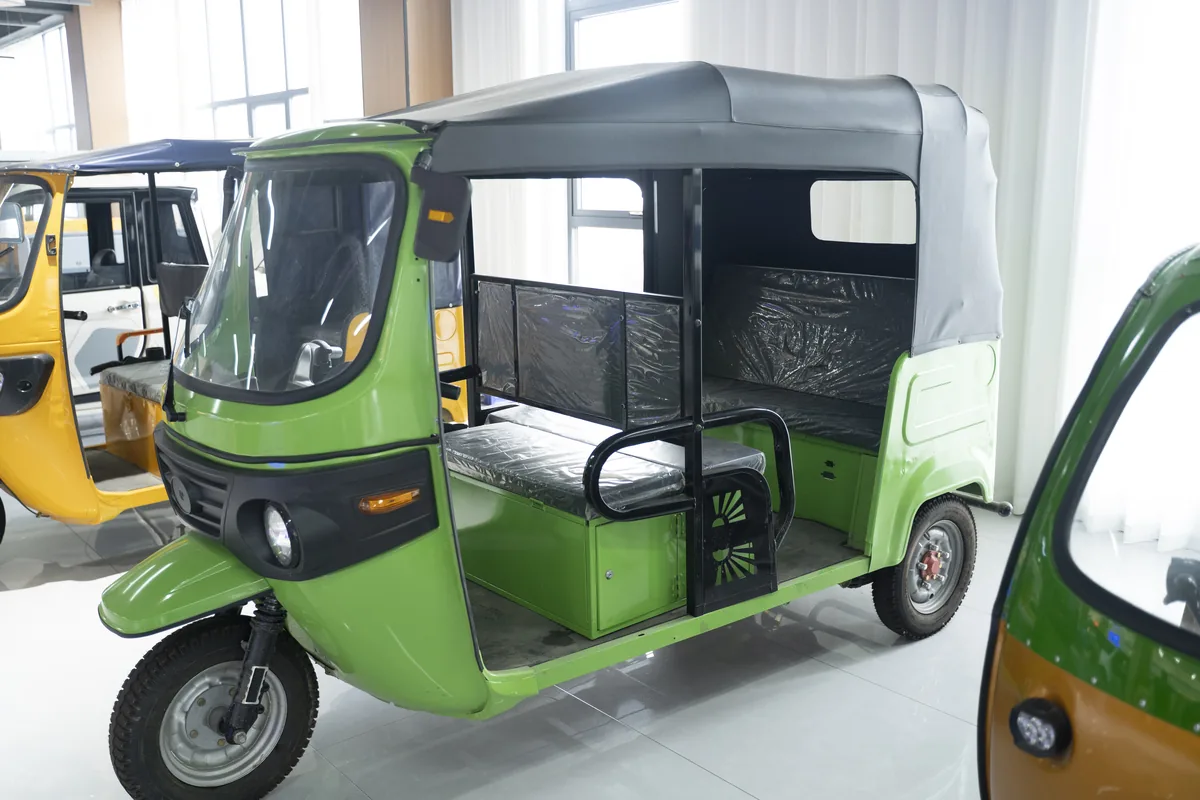
Tourism and hospitality services offer another application to investigate. Hotels, resorts and tourism operators may need vehicles for short-distance transfers within their facilities or between nearby service locations. For these customers, seating layout, passenger access, weather protection and vehicle appearance may be important purchasing considerations.
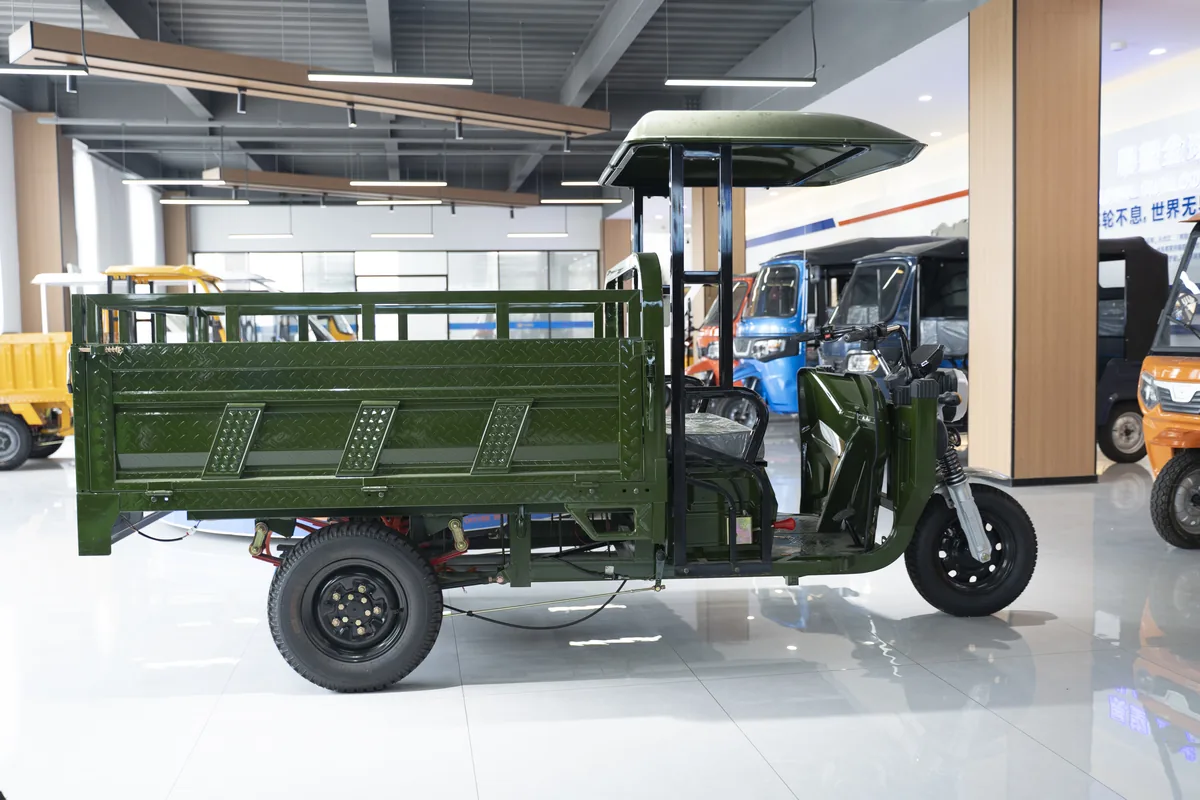
Cargo transportation should also be considered. Retailers, small businesses, workshops and agricultural operators may need vehicles for moving products and supplies over relatively short distances. An electric cargo tricycle can be evaluated for these tasks when its cargo dimensions, payload, motor configuration and braking system match the intended working conditions.
For distributors, the most important task is to identify which customer segments have real purchasing potential. Interviews with local dealers, fleet operators and business owners can provide useful information about existing transportation methods, expected purchase budgets and the features customers value most.
2. Selecting Suitable Passenger and Cargo Configurations
A successful distribution strategy should not depend on importing one vehicle model for every customer. Passenger and cargo operations have different requirements, and even customers within the same category may prefer different vehicle configurations.
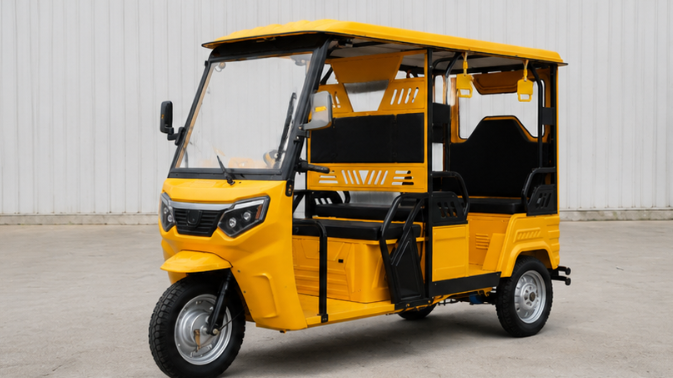
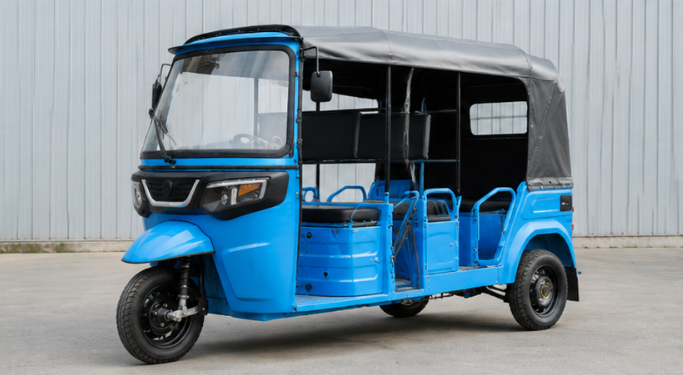
For passenger transportation, a 3+1 electric tuk tuk may be considered for smaller passenger groups and shorter routes. Double-row 6+1 configurations can be evaluated for hotels, community shuttles and other organized transportation applications. Buyers should compare vehicle dimensions, motor power, battery configuration, seating layout and braking systems before selecting models for local demonstrations.
Xinhuanhai offers several passenger configurations through its TRI-GLOBAL range. Its Standard Single-Row Electric Tuk Tuk 3+1 is listed with a 2000W motor and a 60–72V battery configuration. The passenger range also includes foldable, face-to-face and forward-facing double-row 6+1 designs. These options give distributors different vehicle layouts to evaluate when discussing local transportation requirements.
Cargo customers may have different priorities. A business transporting packaged products may need a cargo bed with convenient loading access, while a customer moving larger materials may prefer a longer cargo platform. The Loader 1.8 and Loader 2.2M provide two different cargo bed sizes for comparison. The published cargo bed dimensions are 1800 × 1300 mm and 2200 × 1300 mm respectively.
However, distributors should not assume that the same specification will be suitable for every Tanzanian operating environment. Road surfaces, gradients, weather conditions, vehicle utilization and local maintenance capabilities should all be considered. A sample vehicle tested under representative operating conditions can provide more useful information than relying on a catalogue alone.
3. Import Compliance, Local Service and Distribution Preparation
Before importing electric tuk tuks into Tanzania, distributors should confirm the current import, customs, vehicle classification, registration and road-use requirements with the relevant local authorities and qualified customs or regulatory advisers. Requirements may differ according to vehicle category, technical specifications, battery configuration and intended use. Importers should also confirm any applicable standards, testing, documentation and certification requirements before placing an order.
Charging arrangements deserve attention as well. Distributors should investigate the availability of suitable electricity connections, charging locations, expected operating hours and battery replacement or service arrangements. These factors influence how customers will use the vehicles after delivery.
After-sales support should be planned before the first shipment arrives. Local distributors need to understand how common maintenance tasks will be handled, which spare parts should be stocked and how technical questions can be communicated to the supplier. Training local technicians and preparing product documentation can help build customer confidence.
A controlled market-entry strategy is generally more practical than importing a large number of vehicles without testing local demand. Distributors can begin by selecting a small number of passenger and cargo configurations, conducting demonstrations and collecting feedback from potential customers. Information from these trials can guide future model selection, inventory planning and marketing activities.
Xinhuanhai, through its TRI-GLOBAL brand and manufacturing cooperation network, provides electric passenger tuk tuks and cargo tricycles for international buyers. The company coordinates overseas product discussions, export operations and customer service, while its manufacturing partner supports production and quality control. Tanzanian distributors can discuss model selection, vehicle configuration, spare-parts preparation and export requirements before developing a local sales program.
Conclusion
The Tanzanian market should be approached through a clear understanding of passenger transportation, cargo distribution and local commercial requirements. Distributors need to evaluate customer demand, vehicle configurations, road conditions, charging arrangements, import compliance and after-sales capabilities before selecting products. By starting with suitable sample models and building a local service plan, importers can develop a more structured electric tuk tuk distribution business. Xinhuanhai provides passenger and cargo electric tricycle options for distributors exploring commercial mobility opportunities in Tanzania.
Related Articles
 Company News
Why Mexico Is a Promising Market for Electric Tuk Tuks
Explore why electric tuk tuks suit Mexico’s passenger transport and last-mile delivery needs, including operating costs, routes and sourcing considerations.
Read More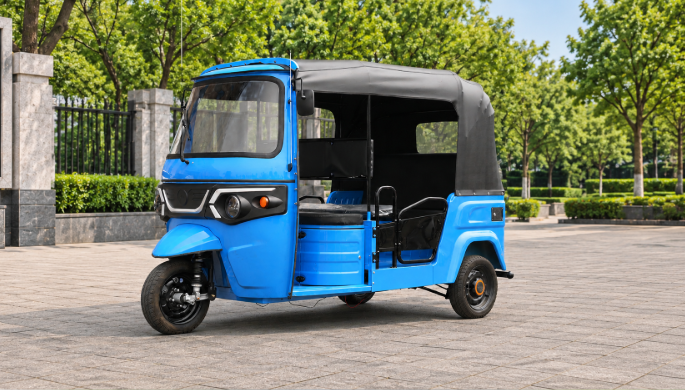 Company News
Why Electric Tuk Tuks Are Gaining Attention Across African Markets
Across Africa, transportation needs vary significantly from large capital cities to smaller towns, tourism areas and rural communities. In many locations, short-distance passenger transport remains an essential part of everyday mobility, while small businesses also need affordable vehicles for movin…
Read More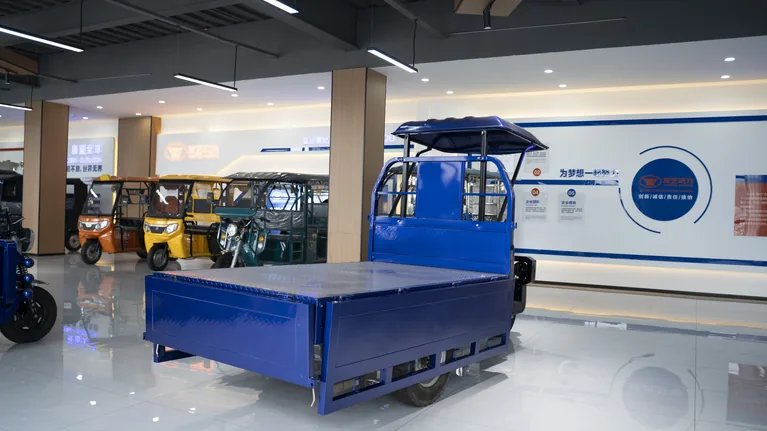 Company News
A Cargo Tricycle That Opens Up to the Way People Really Work
Discover how a four-side-opening 1.8M electric cargo tricycle makes loading easier for farms, markets, workshops and local delivery routes.
Read More