

Xinhuanhai News & Insights
In-depth articles, product stories and thought leadership from Xinhuanhai.
Passenger vs Cargo Electric Tuk Tuks and Which Model Fits Your Business
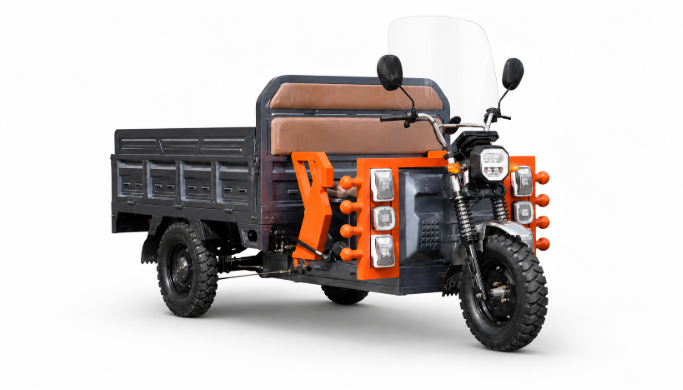
Electric tuk tuks are not limited to one type of transportation business. Passenger models can serve short-distance mobility, community transport, tourism and shuttle applications, while cargo electric three-wheelers can support delivery, retail, agriculture and local commercial transportation.
For importers and distributors, the question is therefore not simply which model is better. The more useful question is which type of electric tuk tuk matches the customers, operating conditions and revenue opportunities in the target market. Passenger and cargo models have different buyers, vehicle configurations and daily workloads. Understanding these differences can help businesses select a more focused product portfolio instead of importing vehicles based only on appearance or price.
1. Passenger Electric Tuk Tuks Focus on People Capacity and Daily Transport
Passenger electric tuk tuks are designed around one primary task: moving people efficiently over short and medium distances.
Potential applications include neighborhood transportation, local taxi services, community mobility, hotel and resort shuttles, tourist attractions, campuses and other controlled or semi-controlled environments.
Passenger capacity is therefore one of the first specifications buyers should consider.
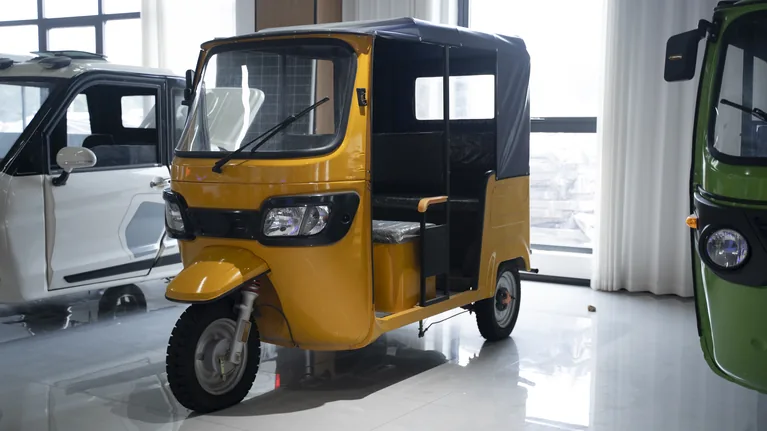
A 3+1 electric tuk tuk provides a compact configuration for a driver and several passengers. Its smaller size can be useful in congested areas, narrow streets and short-distance routes where maneuverability matters.
A 6+1 configuration serves a different business model. Carrying more passengers per trip can be useful for shuttle operations, tourism, communities and other routes where passenger volume is more important than maintaining the smallest possible vehicle footprint.
However, the number of seats should not be considered alone.
A passenger vehicle must provide an appropriate balance between motor power, total loaded weight, battery capacity, suspension, braking and passenger comfort. A vehicle that regularly carries several passengers may experience different operating demands from one that normally works below its maximum seating capacity.
Body design can also influence market positioning.
Open or semi-open configurations may appeal to resorts and tourism operators in warm climates. Vehicles intended for everyday commercial passenger transportation may place greater emphasis on weather protection, durable seating and easy passenger access.
For distributors, passenger electric tuk tuks are especially relevant when the local market already has demand for short-distance transportation but operators are looking for different vehicle and energy options.
Before importing passenger models, buyers should study local rules for vehicle registration and commercial passenger operation. Regulations can vary significantly between countries and cities.
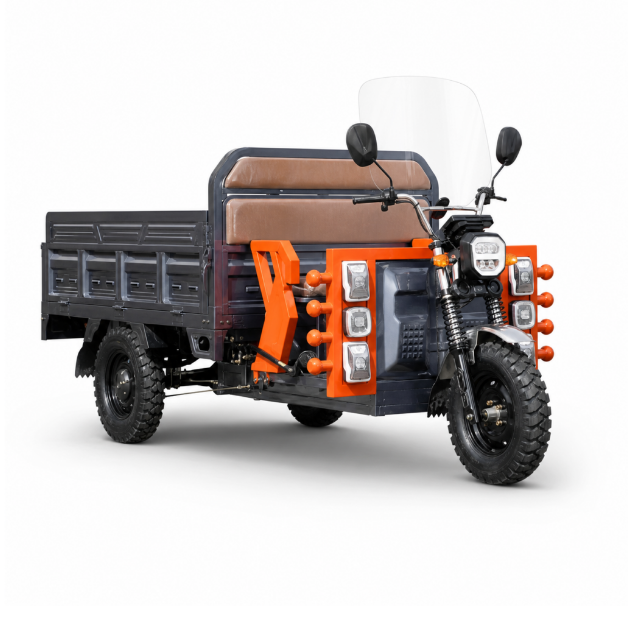
2. Cargo Electric Tuk Tuks Serve Delivery Retail Agriculture and Local Trade
Cargo electric tuk tuks are designed around a different commercial requirement: moving products rather than passengers.
Their potential customer base can include retailers, wholesalers, farms, workshops, warehouses, markets, delivery companies and small businesses that need practical transportation for relatively short routes.
Cargo-body design becomes one of the most important selection factors.
An open cargo bed can provide flexibility for agricultural products, boxes, tools, construction materials and other goods that need easy loading and unloading.
An enclosed cargo box serves a different purpose. It can provide greater protection from weather, dust and road conditions and may be better suited to parcels, retail goods and organized last-mile delivery.
Buyers should therefore start with the cargo itself.
What products will be transported? How large are they? How heavy is a normal load? Does the operator need side access? Does the cargo require weather protection? How many loading and unloading stops occur during a normal day?
These questions are often more useful than simply asking for the vehicle’s maximum payload.
Cargo-box dimensions should also be considered together with payload. A vehicle may carry lightweight but bulky goods or smaller products with greater total weight. The ideal body configuration can be different in each case.
Motor and battery requirements should then be matched to the workload.
A cargo tricycle transporting goods on flat local roads may have different power requirements from a vehicle regularly carrying heavier loads on gradients. Daily delivery distance and the number of stops also influence battery consumption.
For commercial operators, downtime can directly affect revenue. Spare-parts availability, tyre selection, brakes, suspension and serviceability therefore become particularly important when a cargo vehicle is used every working day.
3. Choose the Model According to How the Customer Makes Money
For a distributor, passenger versus cargo is ultimately a business-model decision.
A passenger operator earns revenue by transporting people. The important variables may include passenger capacity, trips per day, route length, fare levels and vehicle availability.
A cargo operator creates value by moving goods. Its economics may depend on payload, delivery volume, trips per day, loading efficiency and the cost of operating the vehicle compared with alternative transportation.
This difference should influence the sales strategy.
Passenger electric tuk tuks can be marketed to taxi operators, tourism businesses, hotels, communities and shuttle-service providers. Demonstrations should focus on passenger space, comfort, maneuverability, range and operating practicality.
Cargo electric tuk tuks should be presented differently. Retailers and delivery companies may care more about cargo dimensions, payload, loading access, range under load and the ability to protect goods.
In many markets, distributors do not necessarily need to choose only one category.
A product portfolio can combine passenger and cargo vehicles because the two categories target different customer groups. For example, a distributor could offer a compact 3+1 passenger model for local transportation, a 6+1 vehicle for shuttle applications and an open-bed or enclosed-box cargo tricycle for commercial customers.
This approach can diversify the customer base while allowing several products to share parts, technical knowledge and after-sales resources where vehicle platforms are compatible.
However, expanding the product range should be done gradually.
New distributors can begin by identifying two or three strong local applications, testing suitable models and collecting feedback from actual operators. Real operating data about daily mileage, passenger loads, cargo weight, charging and maintenance can then guide future orders.
The best model is not necessarily the passenger or cargo vehicle with the highest specification. It is the vehicle that solves a clear transportation problem for a customer who has a sustainable reason to use it.
Conclusion
Passenger and cargo electric tuk tuks serve different commercial purposes.
Passenger models are designed around mobility, seating capacity and passenger experience, making them suitable for local transportation, shuttle services, tourism and community applications. Cargo models focus on payload, cargo space and loading efficiency, making them relevant to delivery, agriculture, retail and small-business transportation.
For importers and distributors, choosing between them should begin with the target customer’s business model. Passenger volume, cargo type, road conditions, daily mileage, charging availability and local regulations should all be considered before selecting a vehicle.
In many markets, the strongest strategy may be to offer both categories with clearly defined applications. By matching each electric tuk tuk to a real commercial use case, distributors can build a more focused product portfolio and serve a wider range of local transportation needs.
Related Articles
 Company News
The L3 Deluxe: A Friendly Vehicle for Streets That Know Every Neighbor
Meet the L3 Deluxe electric tuk tuk, a compact passenger vehicle designed for narrow streets, villages, neighborhoods and everyday community travel.
Read More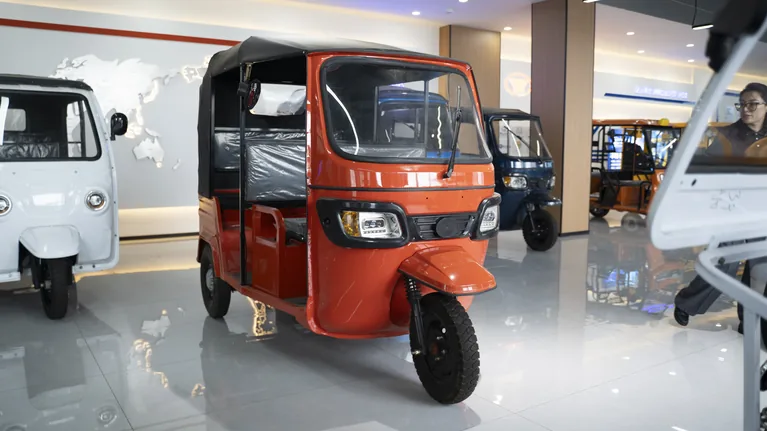 Company News
A Small Electric Tuk Tuk That Brings the Whole Family Along
Discover how a compact 3+1 electric tuk tuk can support family trips, neighborhood travel and community mobility with low daily operating costs.
Read More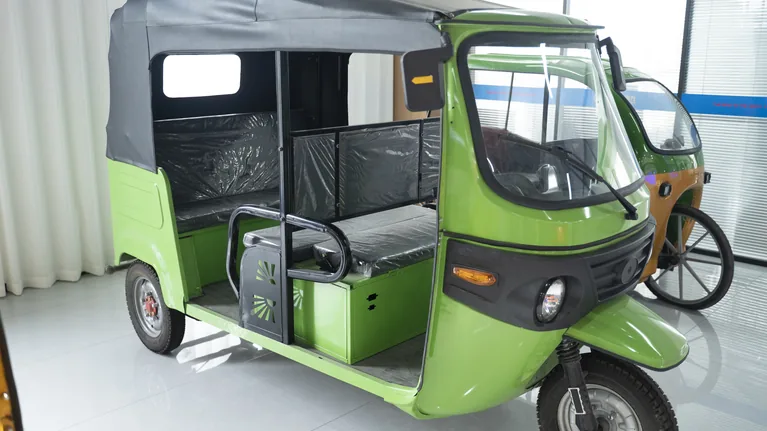 Company News
A Little More Room Can Change the Whole Journey
Discover how the L3 1.3M electric passenger tuk tuk adds comfort and space for communities, resorts and short group journeys.
Read More