


TRI-GLOBAL News & Insights
In-depth articles, product stories and thought leadership from TRI-GLOBAL.
How Electric Three-Wheelers Improve Last-Mile Delivery Operations
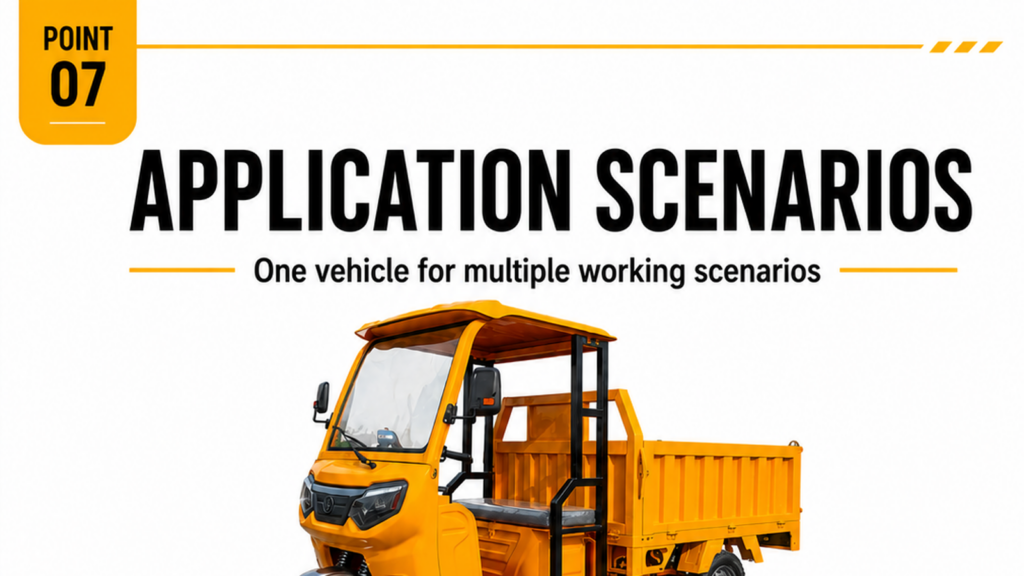
Last-mile delivery is a route-design problem as much as a vehicle problem. Parcels, food, retail goods and local services often move through congested streets where a full-size van carries unused space and loses time in parking. A properly configured electric three-wheeler can provide a more compact alternative for short, repeatable routes.
Real deployments already show the segment’s relevance. In a UNEP case from Pasig City in the Philippines, electric two- and three-wheelers were deployed for postal services alongside charging infrastructure. The lesson for commercial buyers is clear: vehicle selection and charging planning must be designed together.
Why vehicle size matters in the last mile
Urban delivery vehicles spend a large share of the day stopping, starting, turning and waiting for access. Electric three-wheelers can be useful where routes have modest distances, frequent stops and cargo that fits a compact body. Their small footprint can support loading close to the destination and operation on roads where larger vehicles are inconvenient.
The correct body format depends on the goods:
- Enclosed cargo box: parcels, retail goods and weather-sensitive loads.
- Insulated or purpose-built box: food and temperature-managed applications, subject to the required equipment.
- Open cargo bed: crates, produce, tools and flexible local hauling.
- Side-opening body: multi-stop routes where fast access matters.
Build the vehicle specification from the route
Measure distance and stop frequency
Use actual route data where possible. Record kilometres, number of stops, idling time, average and maximum load, gradients and road surface. High stop frequency can increase energy use, but predictable routes also make charging and range planning easier.
Calculate cargo by volume and weight
A parcel route may reach its volume limit before its weight limit. A dense-goods route may do the opposite. Compare internal cargo dimensions, door openings and payload so the vehicle is neither overloaded nor unnecessarily large.
Plan a practical energy reserve
Do not assign a route that consumes the entire theoretical range. Weather, detours, tyre pressure, battery age and payload can change energy use. A reserve helps the fleet absorb real operating variation.
Charging strategy determines uptime
For single-shift operation, depot charging may be sufficient. Multi-shift fleets may need faster charging, a larger battery, opportunity charging or a rotation plan. Before buying vehicles, confirm power availability, charger input, safe cable routing, weather protection and responsibility for daily charging checks.
Fleet managers should track energy use per route and remaining range at return. After several weeks, this data can identify vehicles that are oversized, routes that require adjustment or drivers who need additional training.
Features that support delivery work
- Wide, durable cargo doors and a low loading height.
- Interior tie-down points and a washable, non-slip floor.
- Weather sealing appropriate for the local climate.
- Reverse warning, mirrors, lighting and visibility equipment required by the market.
- Parking brake and service brakes suitable for repeated stops.
- Suspension selected for the expected payload and road quality.
- Simple access to common service items.
Evaluate total cost per successful delivery
Unit price alone does not show fleet performance. A useful comparison includes energy, routine service, tyre and brake wear, battery replacement assumptions, downtime, driver time and delivered parcels per route. A vehicle that is easy to load, charge and repair can create more value than a lower-priced unit that regularly misses routes.
Start with a controlled pilot
A pilot should use representative routes, drivers and loads. Track daily distance, charging time, energy use, delivery count, faults, service time and driver feedback. Use the results to finalize battery capacity, cargo body and spare-parts inventory before scaling the fleet.
TRI-GLOBAL supplies enclosed delivery vehicles and open cargo tricycles with OEM/ODM configuration support. View our electric delivery and cargo range, or send us your route profile for a practical proposal.
Related Articles
 Company News
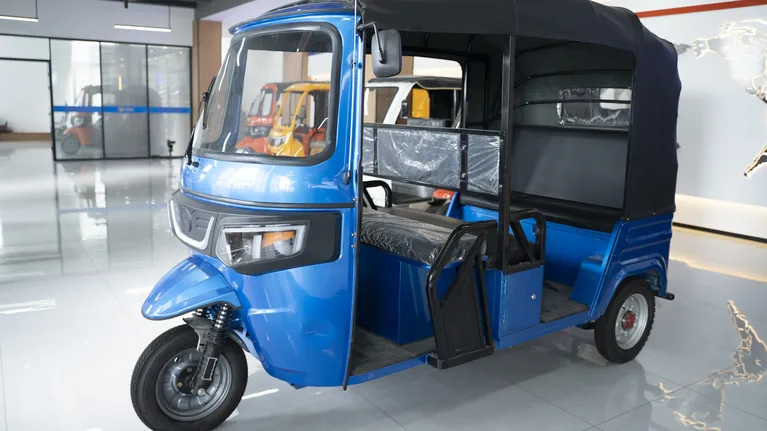
The Everyday 3+1 Tuk Tuk: Simple Enough to Become Part of the Family
The best everyday vehicle is often the one nobody has to think about. It starts in the morning, carries the people who matter, handles the day’s errands and returns home ready for tomorrow. The Standard Single-Row Electric Tuk Tuk 3+1 was built with that dependable simplicity in mind. With seating…
Read More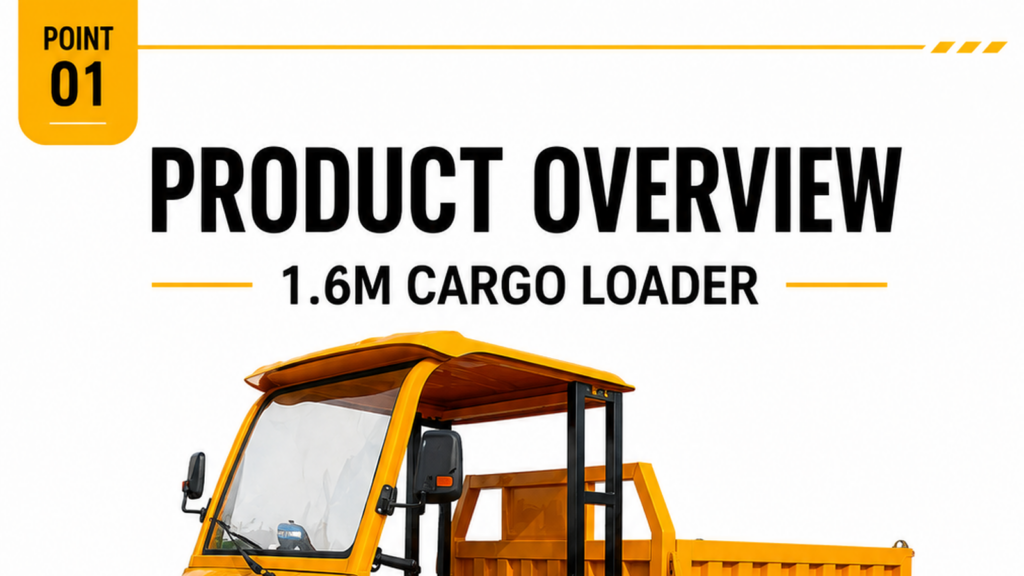 Technology
Electric Cargo Tricycle Buying Guide: 8 Specifications Importers Should Compare
Compare payload, range, battery, motor, body, brakes, compliance and after-sales support before importing an electric cargo tricycle.
Read More Technology
2026 Electric Three-Wheeler Market Outlook: Opportunities for Importers
Explore 2026 electric three-wheeler market trends, regional opportunities and a practical sourcing checklist for importers and fleet buyers.
Read More