

TRI-GLOBAL News & Insights
In-depth articles, product stories and thought leadership from TRI-GLOBAL.
Why Mexico Is a Promising Market for Electric Tuk Tuks
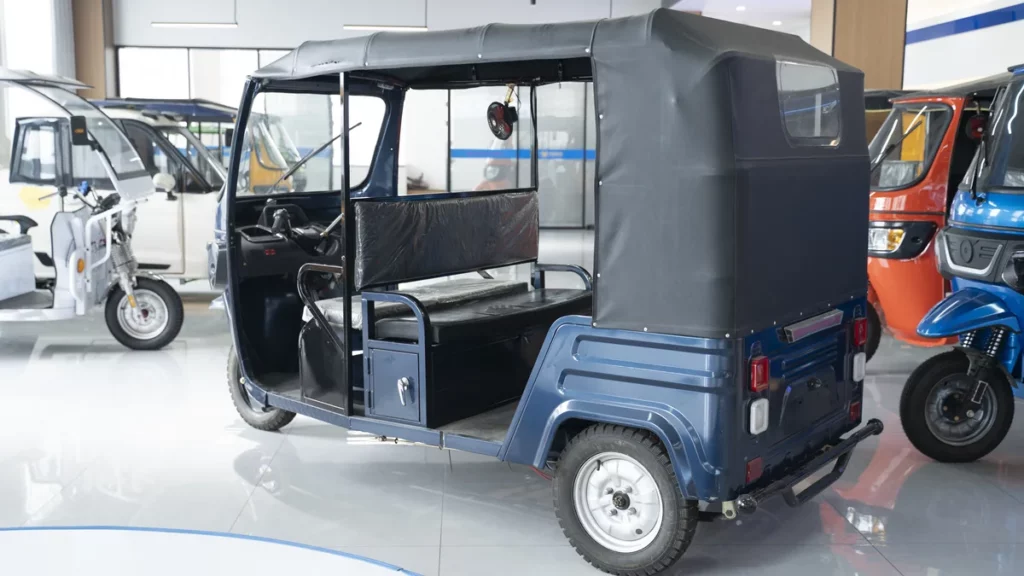
Mexico is becoming an increasingly interesting market for compact electric mobility. The opportunity is not based on a single trend. It comes from the combination of expanding e-commerce, busy urban and neighborhood delivery routes, tourism, growing environmental awareness and the need for practical vehicles that cost less to operate on short daily journeys. In this environment, electric tuk tuks can serve both passenger and cargo applications when the vehicle is correctly configured for local use.
There is no single official number that defines Mexico’s electric tuk tuk market today, so buyers should be cautious with exaggerated forecasts. However, several real demand drivers are visible. Mexico’s official environmental authorities have highlighted the country’s potential for electric mobility in large cities, while the Mexican Online Sales Association (AMVO) reports continued expansion of the digital retail economy. Together, these trends create a practical opening for small electric vehicles in last-mile logistics and short-distance transport.
1. E-commerce growth creates more short delivery routes
According to AMVO’s 2026 Online Sales Study, online retail sales in Mexico reached MXN 941 billion in 2025, an increase of 19.2%, with 77.2 million digital buyers. More online purchases mean more parcels moving from local hubs, shops and dark stores to homes and businesses. Many of those final journeys are relatively short and involve frequent stops.
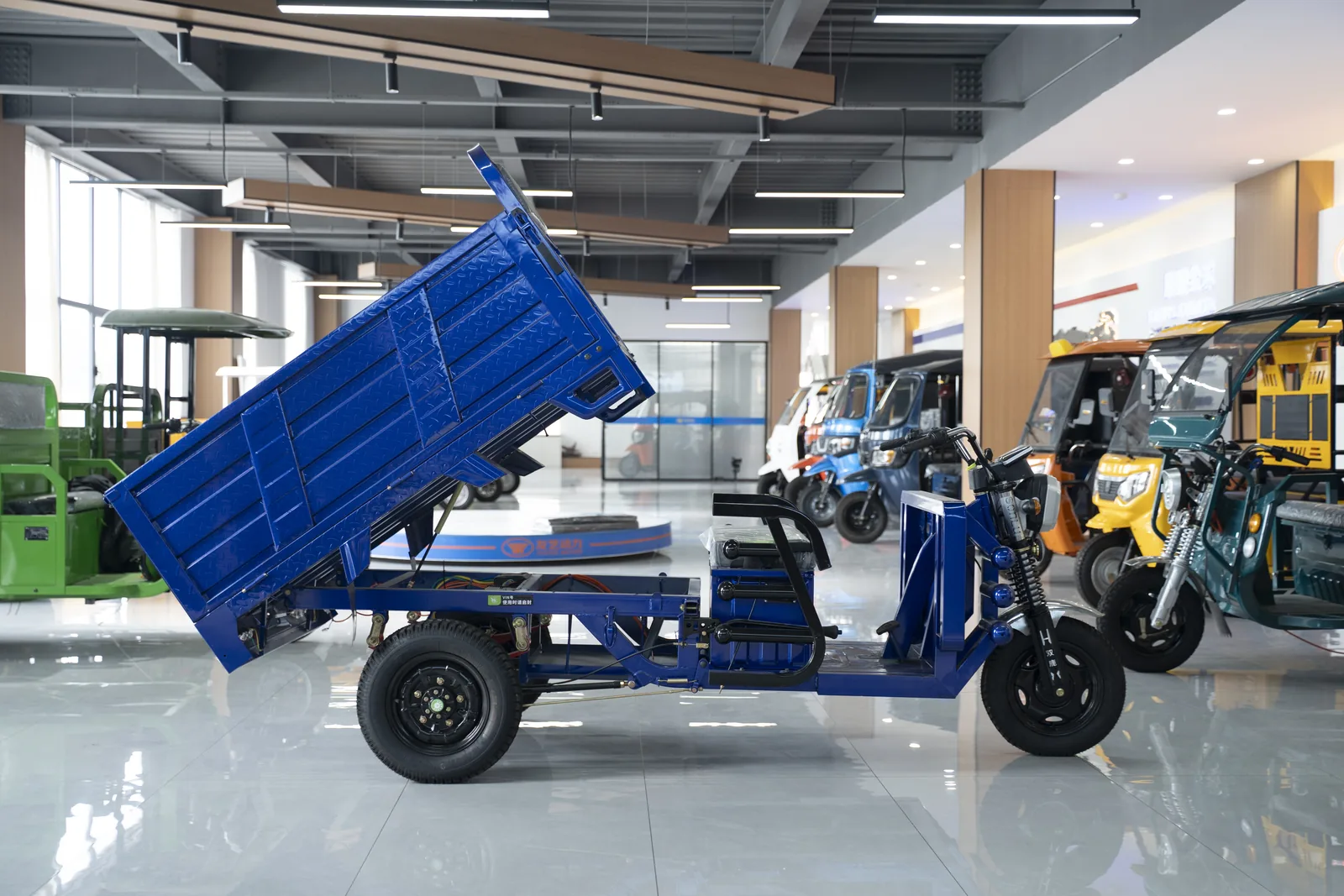
An enclosed electric cargo tricycle can be a useful tool for this kind of operation. Compared with a larger delivery van, it occupies less road and parking space and can be configured with a lockable box, shelves or branding panels. Open-bed cargo models can serve food wholesalers, market vendors, farms, building-material shops and maintenance teams. The right choice depends on payload, route distance, road quality and security requirements.
2. Small businesses need vehicles that match real daily work
Mexico has a large network of family businesses, local shops, markets, service providers and independent operators. Their transport needs are often different from those of a national fleet. A bakery may need covered space for morning deliveries. A produce seller may need an open cargo bed that is easy to load. A resort or residential community may need quiet passenger movement at controlled speeds.
For these users, the strongest value of an electric tuk tuk is usually practical: simple daily charging, manageable dimensions, low-speed maneuverability and a body that can be adapted to the job. Total cost of ownership still depends on electricity price, battery life, maintenance, utilization and local financing, so distributors should calculate the complete operating case rather than promote the vehicle only as “cheap.”
3. Passenger models fit tourism and controlled-route transport
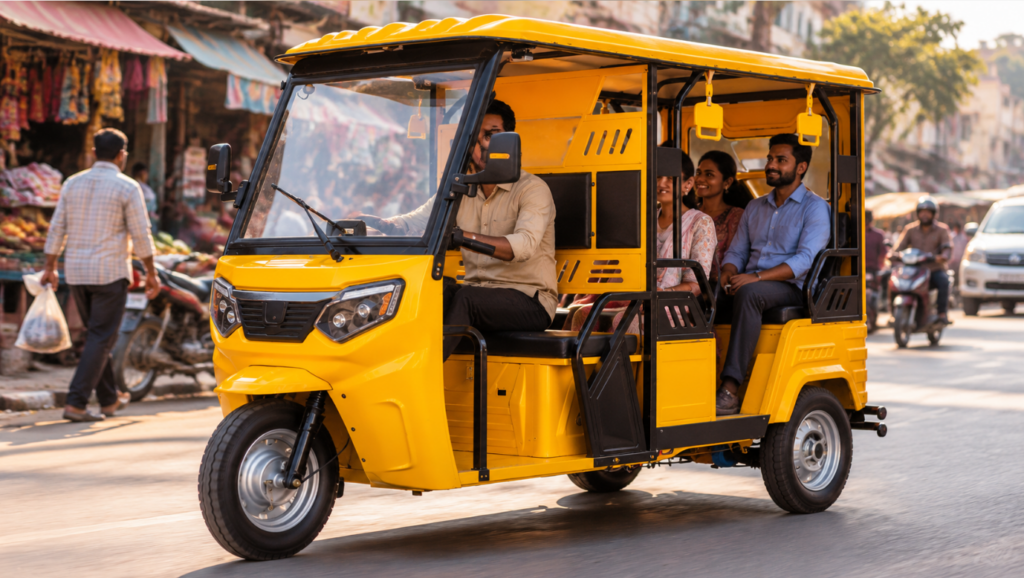
Passenger electric tuk tuks can serve resorts, hotels, parks, campuses, gated communities, factories and other sites where trips are short and routes are predictable. They can also support local mobility projects where permitted by local rules. Open or enclosed cabins, different seating layouts, weather protection, lighting and branding can be selected around the operator’s intended environment.
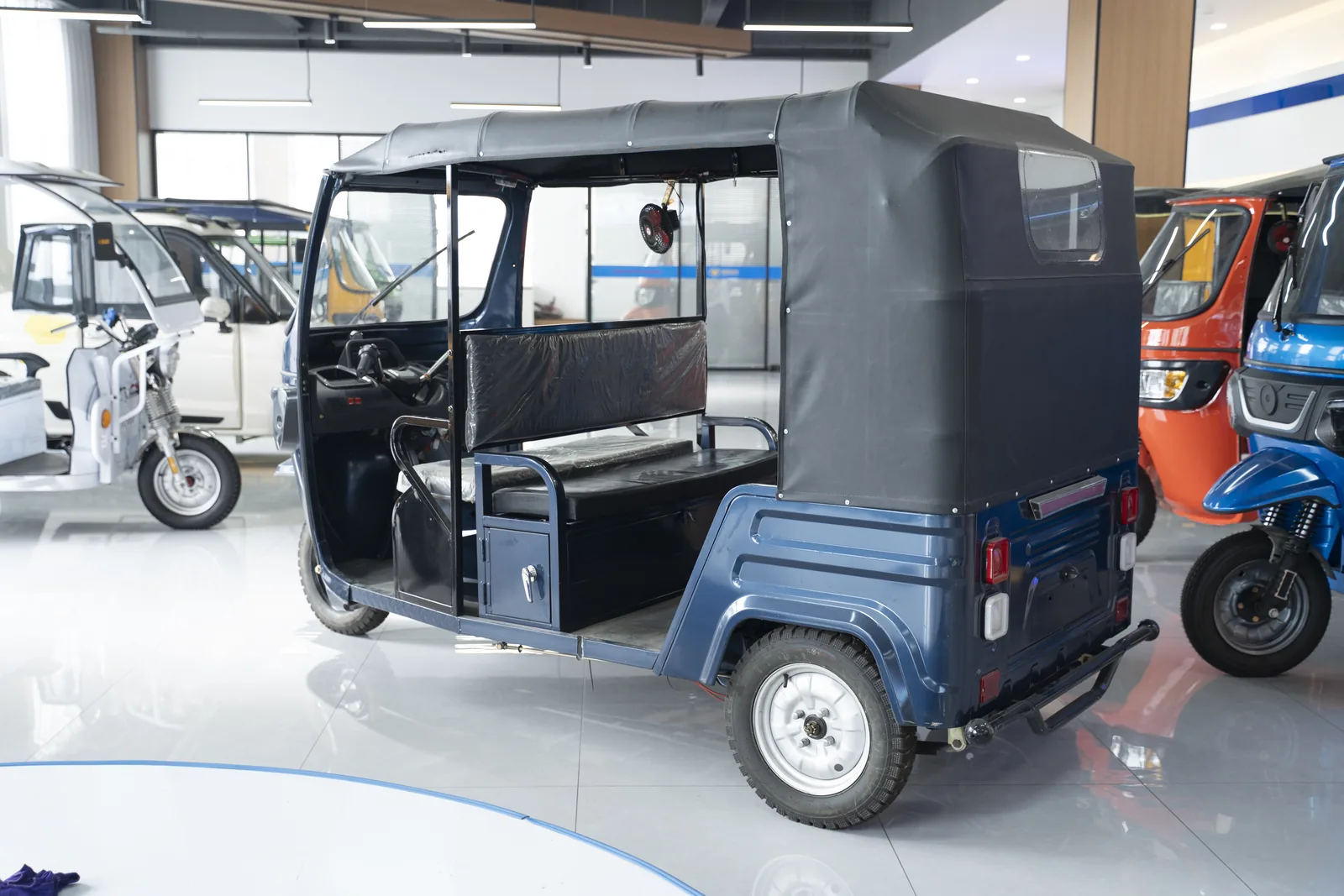
Mexico’s climate and geography vary greatly. A vehicle for flat coastal routes may require different gearing, weather protection and battery planning from one used at higher altitude or on steep streets. That is why route testing and configuration work are important before placing a large order.
4. Electric mobility aligns with cleaner-city goals
Mexico’s environmental authorities have described significant potential for electric mobility and have discussed both passenger and cargo applications, charging needs and the importance of an appropriate regulatory framework. The official CAMe overview provides useful context for this direction.
Electric tuk tuks produce no tailpipe emissions during operation and are quiet at low speeds. These characteristics can be valuable in hotels, markets, residential developments and busy delivery areas. The environmental benefit should still be assessed across electricity generation, battery production and vehicle life, but replacing suitable short trips with correctly sized electric vehicles can be a sensible step.
What Mexican importers and fleet buyers should evaluate
Before selecting a model, buyers should define the application carefully. Important questions include:
- Passenger or cargo use: seating capacity, cargo dimensions and realistic payload.
- Route conditions: daily distance, slopes, road surface, speed and number of stops.
- Battery and charging: lead-acid or lithium battery, required range, charging voltage, available charging time and local service capability.
- Safety and durability: braking, suspension, tires, lighting, visibility, weather protection and load stability.
- Import and assembly format: CBU, SKD or CKD, container quantity, assembly resources and spare-parts planning.
- Local compliance: vehicle classification, import requirements, homologation, registration, insurance, road access and passenger-service rules must be confirmed with qualified Mexican authorities or advisers for the specific vehicle and location.
That final point is essential. Rules may differ according to vehicle specification, intended use and federal, state or municipal jurisdiction. A successful market plan combines a suitable product with a clear compliance path and a local service network.
An opportunity for distributors who build the market carefully
Mexico’s demand will not be served by one universal tuk tuk. The strongest opportunities are likely to come from focused applications: last-mile delivery in dense areas, transport for local commerce, tourism and hospitality shuttles, industrial campuses, farms and community services. Distributors who select a clear use case, test the vehicle locally, prepare spare parts and train technicians will be better positioned to build long-term customer trust.
TRI-GLOBAL supplies passenger electric tuk tuks, cargo tricycles and enclosed delivery vehicles with OEM and ODM options. Body style, color, cargo box, battery capacity, motor power and branding can be discussed for the Mexican market. For model recommendations and distributor cooperation, contact monica@xhhtuktuk.com or +86 151 2110 8670.
Related Articles
 Tuk Tuk Technology
How TRI-GLOBAL Controls Electric Tuk Tuk Quality During Production
For international distributors and commercial fleet buyers, electric tuk tuk quality is not determined only by appearance or the specifications printed in a product brochure. The real measure of manufacturing quality is whether each vehicle is assembled consistently, operates according to its agreed…
Read More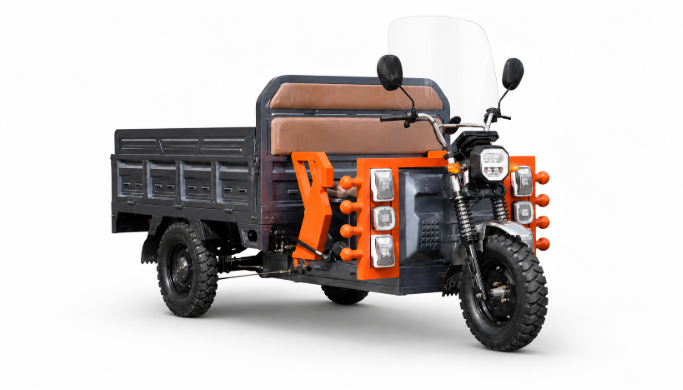 Company News
Passenger vs Cargo Electric Tuk Tuks and Which Model Fits Your Business
Electric tuk tuks are not limited to one type of transportation business. Passenger models can serve short-distance mobility, community transport, tourism and shuttle applications, while cargo electric three-wheelers can support delivery, retail, agriculture and local commercial transportation. For …
Read More Company News
Inside TRI-GLOBAL’s Electric Tuk Tuk Manufacturing Network: Built for Export
See how Xinhuanhai coordinates electric tuk tuk manufacturing, quality control, customization and export support for international distributors.
Read More