

Xinhuanhai News & Insights
In-depth articles, product stories and thought leadership from Xinhuanhai.
How to Choose the Right Electric Tuk Tuk for Your Market
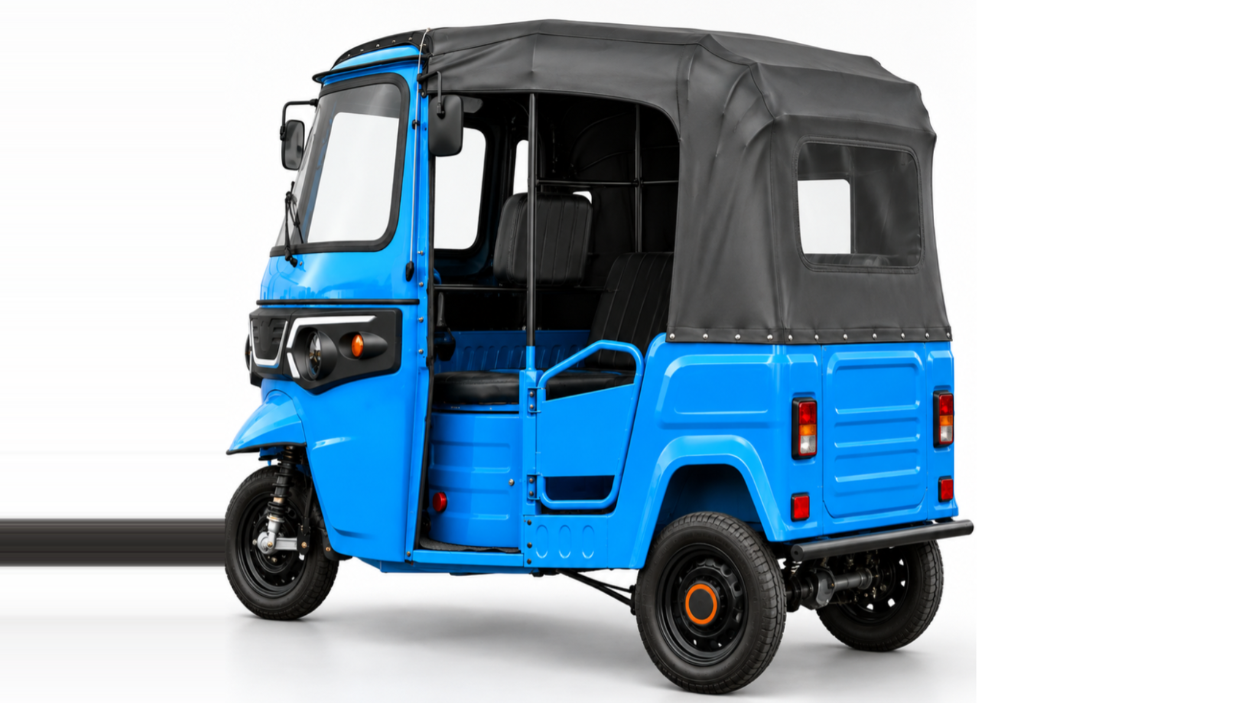
Electric tuk tuks are used in very different environments around the world. A vehicle operating as a passenger taxi in an African city may face very different conditions from one carrying tourists at a resort, transporting passengers within a community, or providing short-distance mobility in a small town. For importers and distributors, choosing the right electric tuk tuk therefore requires more than comparing price, motor power or appearance.
The most suitable vehicle should match the actual operating environment of the target market. Passenger capacity, road quality, daily mileage, gradients, climate, charging conditions and local customer expectations all influence the final configuration. Understanding these factors before ordering can help distributors build a product range that is easier to sell and better suited to long-term commercial use.
1. Start with the Actual Transport Demand in Your Target Market
The first question is not which electric tuk tuk looks the best, but how customers will actually use it.
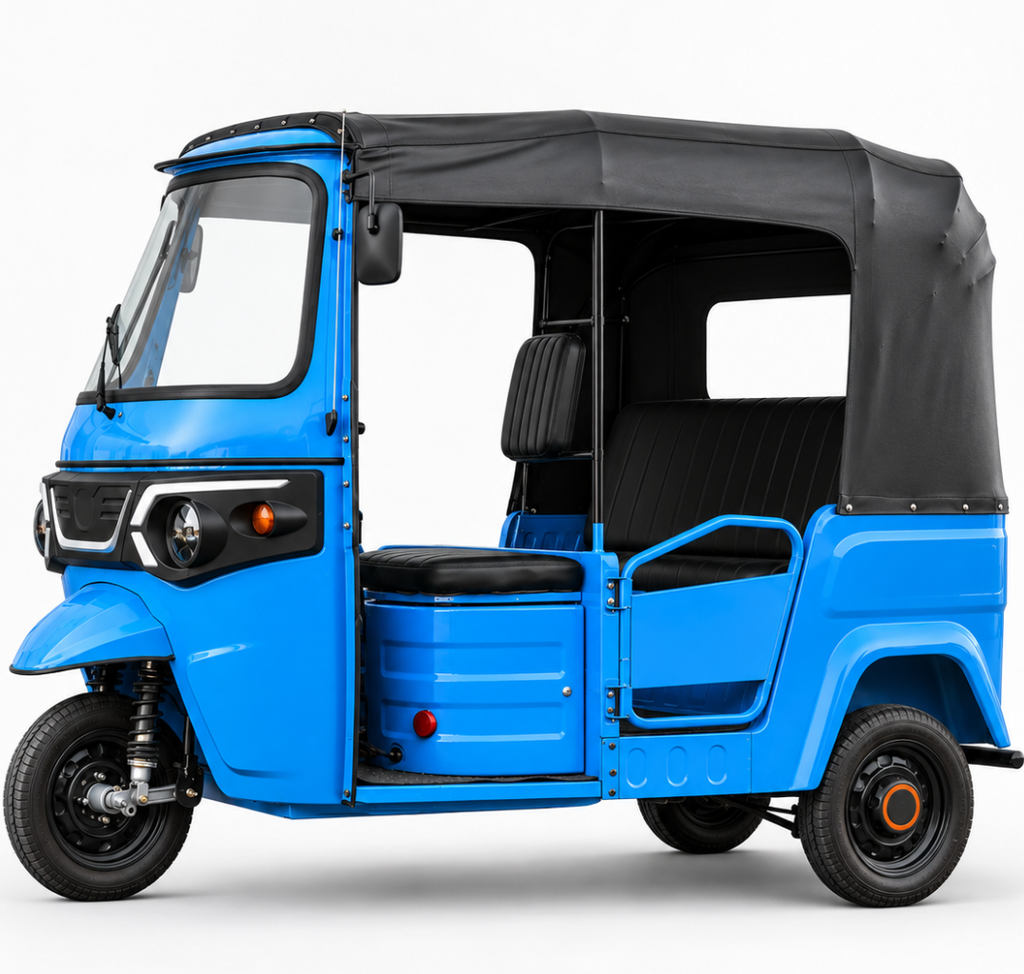
For short urban passenger routes, a compact 3+1 configuration can provide a practical balance between passenger capacity, vehicle size and operating efficiency. These vehicles are suitable for neighborhood transportation, short-distance commuting and other applications where frequent stops and easy maneuverability are important.
Markets requiring higher passenger capacity may benefit from 6+1 models. A larger seating layout can be attractive for community shuttle services, tourism, resorts and routes where operators need to carry several passengers on each trip.
Seating arrangement also deserves attention. Forward-facing seats provide a familiar passenger layout, while face-to-face configurations can make better use of interior space for certain shuttle applications. Open-canopy designs may suit warm climates and tourism environments, while more protective body configurations can be preferable in regions with frequent rain or stronger seasonal weather.
Importers should therefore define several basic conditions before selecting a model:
- Typical number of passengers per trip
- Average daily operating distance
- Urban streets, rural roads or controlled-site use
- Normal road gradients
- Local weather conditions
- Required operating speed
- Expected customer price range
Instead of introducing one vehicle for every customer, distributors can often achieve better market coverage by selecting two or three configurations for different user groups.
2. Match Motor Power and Vehicle Configuration to Local Conditions
Motor power should be selected according to the complete operating environment rather than treated simply as a performance number.
For relatively flat areas, moderate speeds and normal passenger loads, a 2000W electric tuk tuk can provide a practical solution for everyday short-distance transportation. In markets with heavier passenger loads, more demanding routes or higher performance expectations, a 4000W configuration may be more appropriate.
Road conditions are equally important. Many emerging markets include a combination of paved urban roads, uneven secondary streets, speed bumps and occasional rough surfaces. In these environments, suspension, ground clearance, tyres, braking configuration and chassis construction deserve as much attention as motor output.
Passenger capacity also changes drivetrain requirements. A 3+1 vehicle carrying a driver and three passengers does not have the same operating demands as a 6+1 vehicle working repeatedly at a higher load. Importers should provide realistic passenger and route information when discussing vehicle specifications with the manufacturer.
Climate must also be considered. Hot environments in Africa, Latin America or parts of the Middle East can place different demands on batteries and electrical systems compared with cooler markets. Rain, dust and road conditions may influence maintenance requirements and component selection.
Charging infrastructure is another practical consideration. Before choosing battery capacity, buyers should understand how far vehicles normally travel each day and where they can be charged. A vehicle used for scheduled community transport may return to the same charging location every evening, while a commercial passenger vehicle may operate for much longer periods.
The goal is not to specify the largest motor or battery available. It is to create a balanced vehicle configuration that delivers the required performance without adding unnecessary purchase cost.
3. Build a Product Strategy Around Local Buyers and Long-Term Operation
For distributors, choosing an electric tuk tuk is also a commercial decision.
A successful model must be affordable for the target customer while remaining practical to maintain after the sale. Importers should consider not only the vehicle purchase price but also battery replacement, common spare parts, maintenance requirements and local technical capability.
This is particularly important when entering a new market. A vehicle with sophisticated equipment may appear attractive on paper, but a simpler configuration can sometimes be easier for local technicians to service. On the other hand, markets with higher daily utilization may place greater value on upgraded batteries, stronger drivetrains and improved passenger comfort.
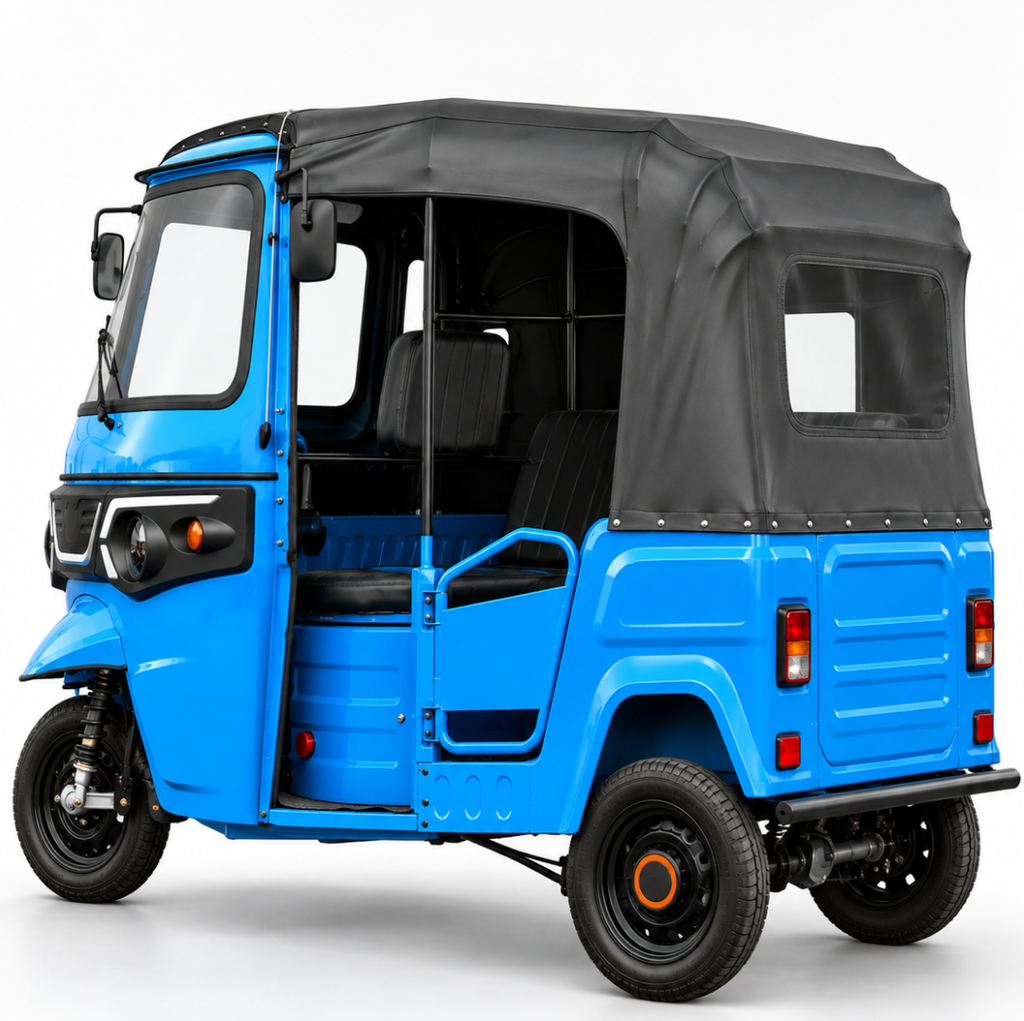
A practical product portfolio might include an economical passenger model for price-sensitive customers, a higher-capacity model for commercial operators and an upgraded version for tourism, resorts or premium shuttle services.
Local preferences should also influence configuration. Body color, canopy design, seating material, branding, lighting and other visible features can be adapted for different distributors and markets. OEM customization allows importers to build a recognizable local brand while maintaining a standardized vehicle platform.
Before placing a larger order, buyers should also confirm destination-market requirements related to vehicle classification, registration, lighting, braking, identification and other applicable standards. Requirements differ between countries, so the final specification should be reviewed for the intended market before production.
For distributors planning long-term sales, spare-parts preparation is equally important. Common wear parts and key electrical components should be identified before shipment so that local service teams can respond quickly when vehicles enter commercial operation.
Conclusion
Choosing the right electric tuk tuk requires a market-first approach. Passenger capacity, road conditions, daily mileage, motor power, climate, charging availability, maintenance capability and customer budget should all be considered together.
A 2000W 3+1 model may be ideal for one market, while another may require a 4000W 6+1 configuration with greater passenger capacity and upgraded components. There is no single electric tuk tuk specification that is suitable for every country or every application.
For importers and distributors, the better approach is to define the real operating conditions first and then match the vehicle configuration to those requirements. TRI-GLOBAL offers multiple passenger electric tuk tuk configurations and customization options to help overseas partners develop products suited to their local transportation markets.
Related Articles
 Company News
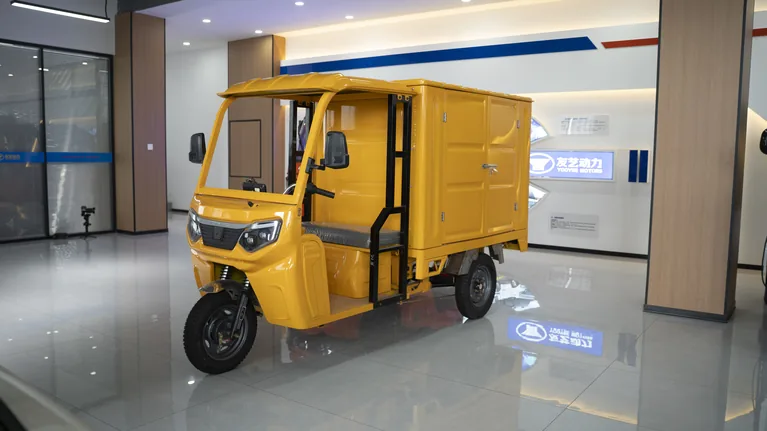
A Moving Storehouse for the Things Customers Are Waiting For
Learn how an enclosed-box electric cargo tricycle protects parcels and goods while supporting reliable last-mile delivery and mobile business branding.
Read More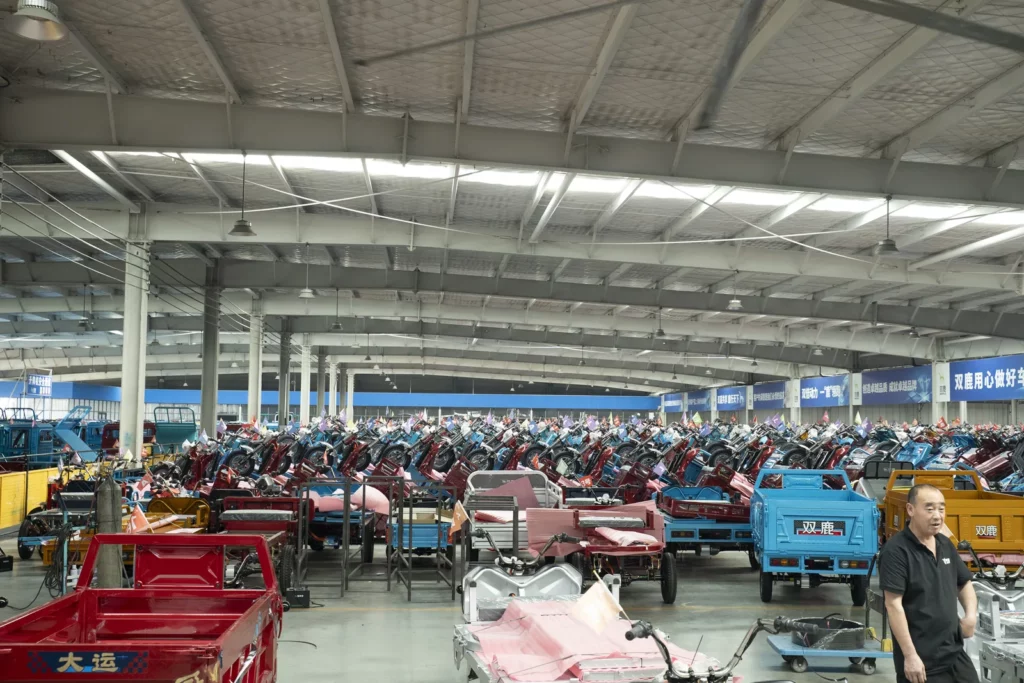 Company News
Before the Assembly Line Starts: How Xinhuanhai Controls Incoming Materials
See how Xinhuanhai reviews frames, electrical parts, wheels and other incoming materials before electric tuk tuk assembly begins.
Read More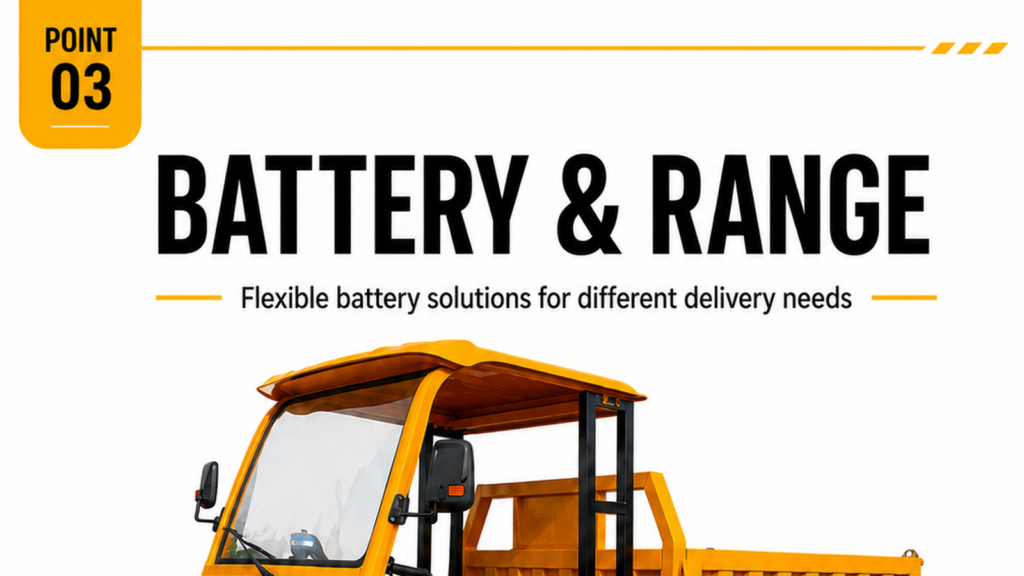 Tuk Tuk Technology
Lead-Acid vs Lithium Batteries for Electric Tuk Tuks: A Practical Comparison
Compare lead-acid and lithium batteries for electric tuk tuks by cost, weight, charging, climate, maintenance and fleet duty cycle.
Read More