


TRI-GLOBAL News & Insights
In-depth articles, product stories and thought leadership from TRI-GLOBAL.
Why Electric Tuk Tuks Can Improve the Economics of Last-Mile Delivery
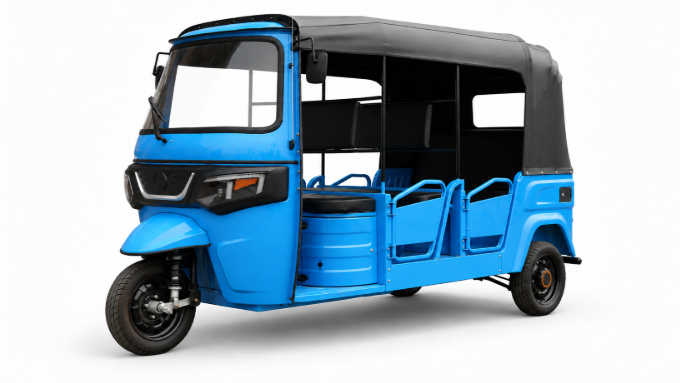
The final kilometers of a delivery are often the most complicated. Vehicles stop frequently, search for space, enter narrow streets and carry loads that are smaller than a van's full capacity. This is where a compact electric delivery tricycle can create economic value.
The advantage is not simply that electricity can cost less than fuel. A better business case combines energy, vehicle size, route productivity, loading convenience and the number of working days.
Right-Sized Capacity Reduces Wasted Movement
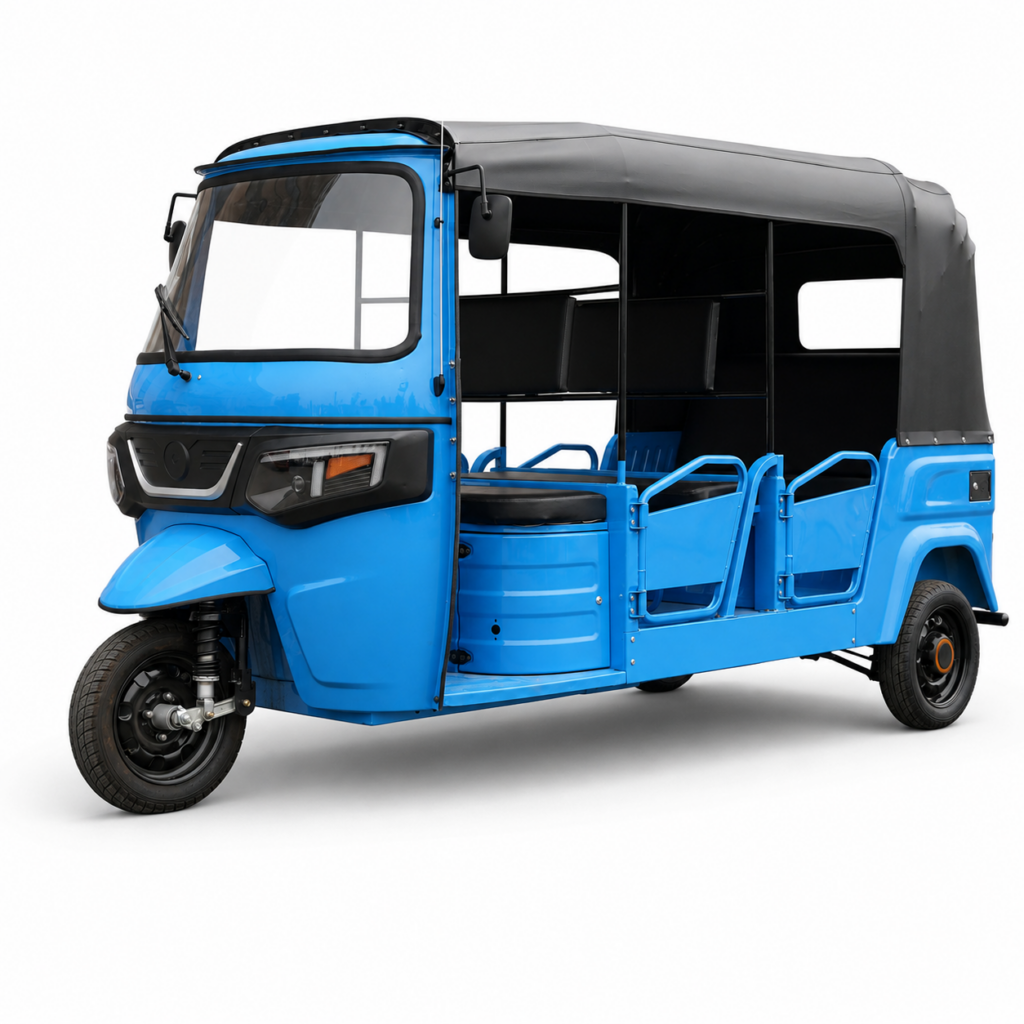
When the daily load fits a compact cargo body, there is little benefit in moving a larger vehicle through congested streets. A right-sized electric tuk tuk uses space more efficiently and can be easier to position near customers.
Frequent Stops Suit Electric Drive
Delivery work includes repeated acceleration, low-speed movement and waiting. Electric drive provides immediate low-speed torque and does not consume fuel while idling in the conventional sense. Drivers can focus on the route without managing a clutch and engine speed at every stop.
Actual consumption depends on payload, hills, temperature, traffic and driver behavior. Route planning and correct tire pressure remain important.
Body Design Can Save Labor Time
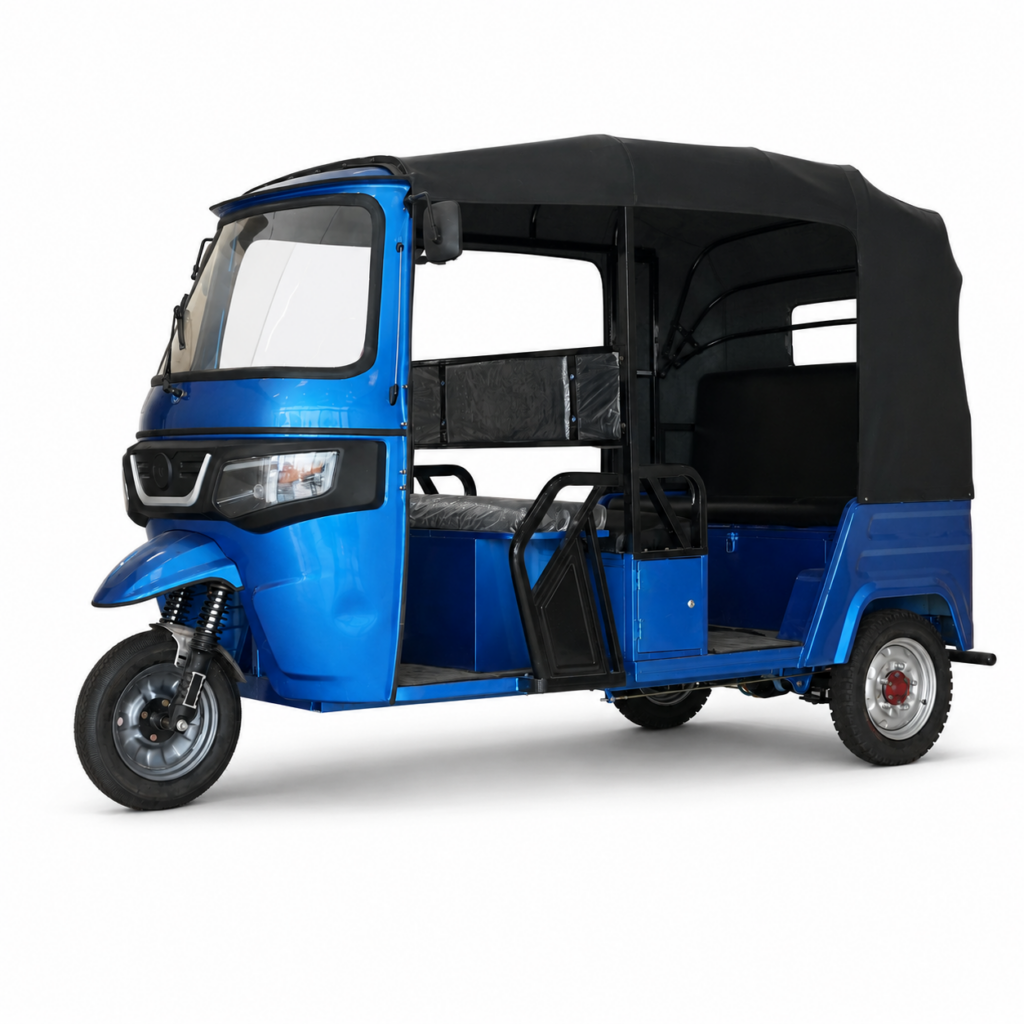
Operating cost is also affected by how quickly the driver can load and find each item. Open cargo beds suit bulky goods and easy side access. Enclosed boxes protect parcels from weather and can be organized with shelves or compartments.
A body that matches the delivery type reduces unnecessary handling and may allow more completed stops in the same working day.
Charging Schedules Can Support Fleet Availability
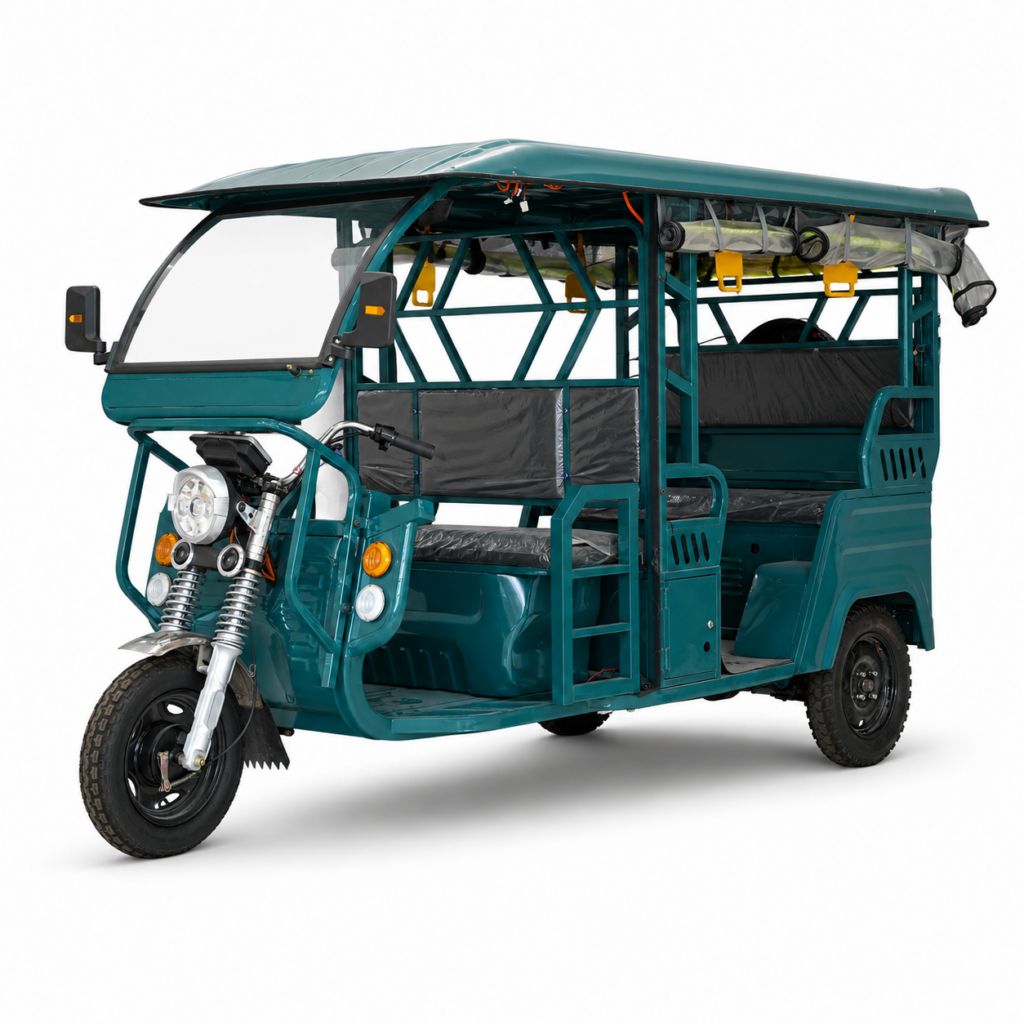
A fleet should not wait until every vehicle is nearly empty before thinking about charging. Dispatchers can assign routes according to expected distance, rotate vehicles and use quiet periods for charging where appropriate. The electrical supply, charger capacity and parking layout should be planned before the fleet arrives.
As operations grow, route data becomes valuable. Daily distance, energy use, payload and downtime can show whether the next vehicle needs the same battery and body or a different configuration.
Start with a Pilot Route
A small pilot can test loading time, range, driver comfort and customer access under real conditions. The lessons can then be used to refine body layout, charging and spare-parts planning before a larger fleet order. This reduces risk and creates a stronger basis for expansion.
Compare Cost per Useful Delivery
Fleet buyers should compare more than cost per kilometer. A useful calculation includes energy, driver time, maintenance, parking, loading time, daily capacity and expected downtime. The question is how much it costs to complete a successful delivery, not only to move the vehicle.
Xinhuanhai can help match cargo dimensions, motor power, battery capacity and body style to a delivery route. When vehicle size and workflow fit each other, the electric tuk tuk can become a productive part of the last mile.
Related Articles
 Tuk Tuk Factory
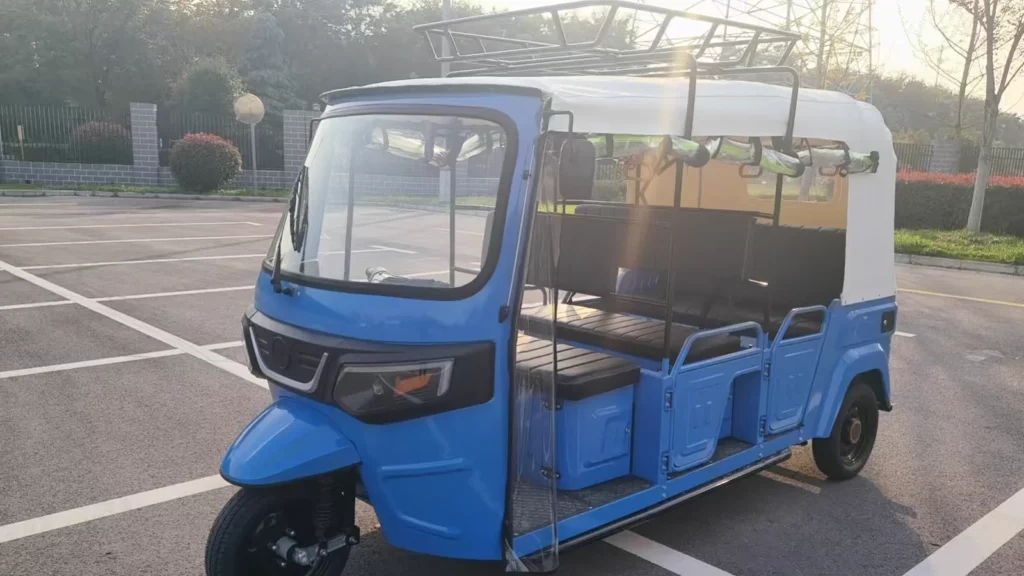
Why a Double-Row Electric Tuk Tuk Makes Group Travel Easier
Discover how a double-row electric tuk tuk from Xinhuanhai offers more passenger room, low noise and flexible customization for group travel, shuttles and fleet use.
Read More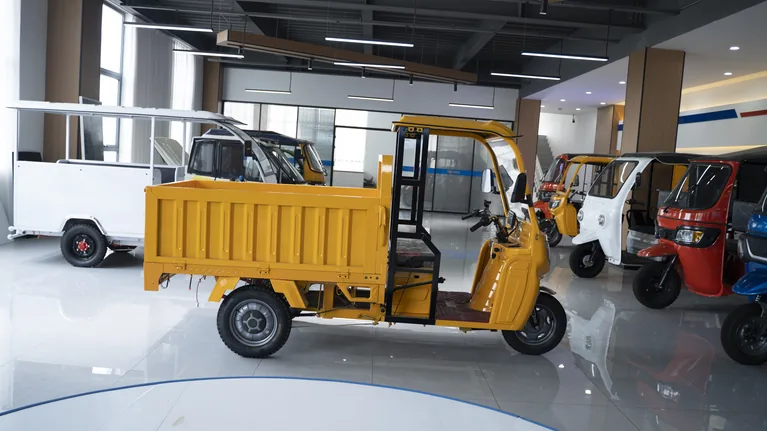 Company News
A Simple Canopy, an Open Bed and a Full Day of Useful Work
See how a simple-canopy electric cargo tricycle supports farms, markets and small businesses with an open bed, practical loading and daily versatility.
Read More Company News
What Makes a Reliable Electric Tuk Tuk Chassis for Daily Commercial Use
For commercial electric tuk tuks, the chassis is one of the most important structural components affecting long-term vehicle reliability. While buyers often focus on motor power, battery capacity and driving range, the chassis determines how effectively the vehicle supports passenger loads, absorbs …
Read More