


Xinhuanhai News & Insights
In-depth articles, product stories and thought leadership from Xinhuanhai.
How to Evaluate Electric Tuk Tuk Demand in Kenya Before Importing
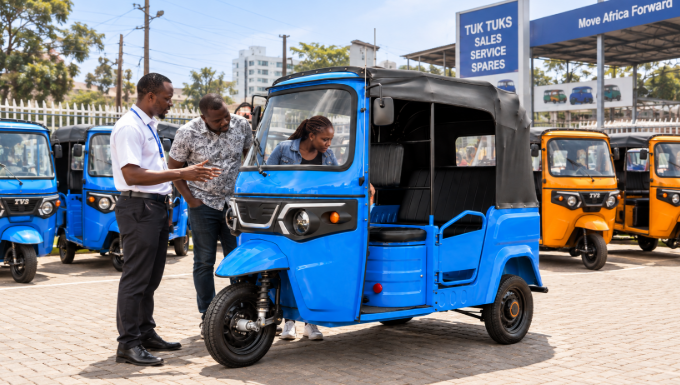
Kenya is an interesting market for electric mobility because of its growing interest in electric transportation, established motorcycle taxi services and demand for practical urban mobility solutions. However, these conditions do not automatically guarantee strong demand for electric tuk tuks in every city or region.
For international importers and local distributors, entering the Kenyan electric three-wheeler market requires careful evaluation of customer demand, operating economics and local transportation requirements. A vehicle that performs well in one city may not necessarily match the needs of another location.
Before importing electric tuk tuks from China, buyers should identify potential customer groups, study actual transportation routes and evaluate whether electric three-wheelers offer a commercially attractive alternative to existing vehicles.
1. Identify Customer Segments and Validate Local Market Demand
The first step in evaluating electric tuk tuk demand in Kenya is understanding who will purchase and operate the vehicles.
Potential customer groups include passenger transport operators, local transportation businesses, hotels, resorts, tourism companies, commercial fleets and organizations requiring short-distance shuttle services.
However, these groups have different purchasing priorities.
Passenger transport operators may focus on vehicle affordability, daily operating expenses, passenger capacity and reliability. Hotels and resorts may place greater importance on passenger comfort, vehicle appearance, quiet operation and ease of use.
Commercial operators may also evaluate whether electric tuk tuks can improve transportation efficiency on routes where conventional three-wheelers are already used.
For importers, market research should begin with direct conversations with potential customers rather than relying only on national electric vehicle growth forecasts.
A distributor could interview local transport operators, visit passenger pickup locations and examine how existing three-wheelers are used.
Important questions include:
- How many passengers are normally transported per trip?
- What are the most common daily routes?
- How much do operators currently spend on fuel and maintenance?
- What purchase price can local customers realistically afford?
- Are financing or installment payment options necessary?
- How easily can operators access charging facilities?
- Which vehicle features influence purchasing decisions?
Demand should also be evaluated geographically.
Nairobi, Mombasa and smaller Kenyan towns may present different transportation patterns, road conditions and customer expectations. Coastal tourism applications, for example, may require different vehicle configurations from urban commuter services.
Importers should also distinguish general interest in electric vehicles from actual purchasing demand. Customers expressing interest in electric tuk tuks do not necessarily represent confirmed orders.
A stronger demand signal comes from customers who can identify a specific application, acceptable price range and realistic purchasing timeline.
2. Evaluate Operating Economics and Match Vehicles to Kenyan Routes
Once potential customers have been identified, importers should evaluate whether electric tuk tuks can operate economically under local conditions.
The initial purchase price is only one part of the calculation.
Commercial operators also consider electricity expenses, battery replacement, maintenance, passenger revenue, vehicle availability and financing costs.
A useful market assessment compares the expected daily operating cost of an electric tuk tuk with that of the vehicle currently serving the same route.
Importers should collect information about daily mileage, average passenger load, operating hours, electricity prices and charging availability.
For example, a vehicle operating predictable short-distance routes with overnight charging access may be easier to introduce than one expected to operate continuously without reliable charging facilities.
Vehicle configuration also influences commercial viability.
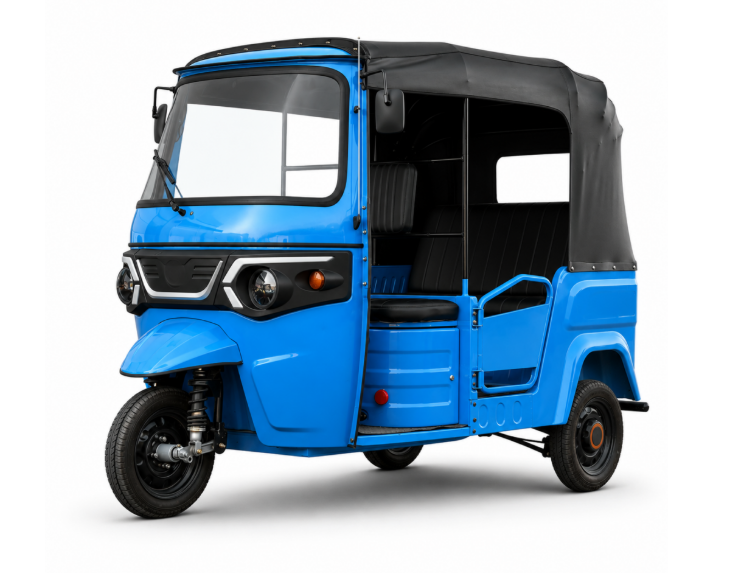
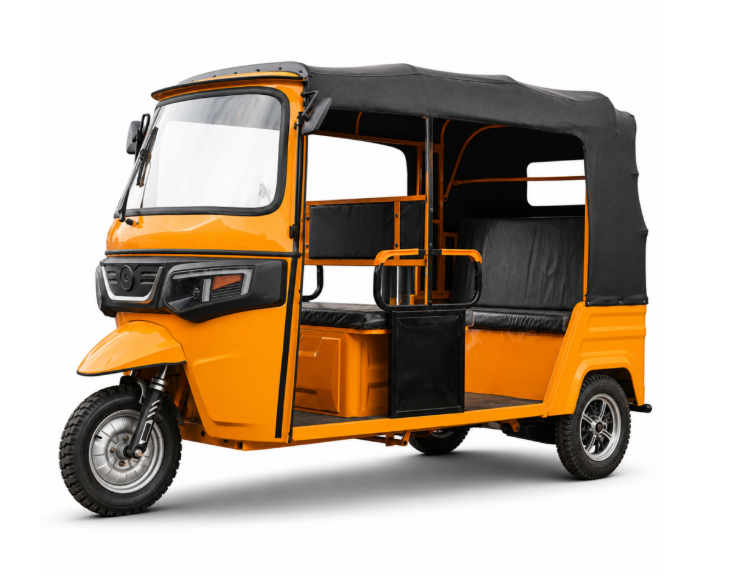
A compact 3+1 electric tuk tuk may suit smaller passenger transportation applications, while a 6+1 model could be considered for organized shuttle services and routes requiring additional seating.
TRI-GLOBAL, the international electric vehicle brand operated by Shanghai Xinhuanhai International Trade Co., Ltd., offers passenger electric tuk tuks in different seating and motor configurations.
Its Standard Single-Row Electric Tuk Tuk 3+1 features a 2000W motor and a compact passenger layout designed for short-distance transportation. The Deluxe Single-Row 3+1 offers a 4000W configuration for buyers evaluating different performance requirements.
These options allow distributors to compare vehicle configurations against local operating conditions rather than selecting one specification for every customer.
However, technical suitability must be verified through realistic testing.
Kenyan routes can differ in road quality, traffic conditions, gradients and daily operating demands. Buyers should therefore evaluate suspension, braking, battery performance and passenger comfort under representative conditions.
Local registration, import requirements and commercial passenger transport rules should also be confirmed before ordering.
3. Test Sales Potential and Build a Sustainable Distribution Strategy
Even when a market appears promising, importing a large number of vehicles immediately can create unnecessary inventory risk.
A more practical approach is to validate demand through a structured market-entry process.
Importers can begin by selecting one or two vehicle configurations that match clearly identified customer groups.
Sample vehicles can then be demonstrated to transport operators, fleet managers and commercial buyers.
During these demonstrations, distributors should collect feedback on passenger space, driving comfort, acceleration, charging requirements, road performance and expected purchase price.
Real operating trials can provide information that product brochures cannot.
For example, a trial vehicle can help determine whether the advertised range is sufficient for local routes and whether the selected motor and battery configuration meets customer expectations.
Distributors should also evaluate after-sales requirements before expanding sales.
Customers purchasing commercial electric vehicles need confidence that replacement parts, technical assistance and routine maintenance will remain available.
This creates an important role for suppliers that can support international distributors beyond the initial shipment.
Through its manufacturing cooperation and international trading operations, TRI-GLOBAL provides passenger electric tuk tuks, cargo tricycles and customization services for overseas markets. Its product range gives importers a starting point for discussing configurations, while its stated spare-parts and technical support services can contribute to distributor planning.
For Kenyan importers, cooperation with a supplier that can discuss vehicle specifications, OEM requirements and after-sales arrangements may help reduce uncertainty during the early stages of market development.
A successful distributor should also monitor measurable results after introducing sample vehicles.
Useful indicators include qualified customer inquiries, demonstration-to-order conversion rates, actual operating range, maintenance costs, customer satisfaction and repeat purchasing interest.
These results can help determine whether the market is ready for a larger shipment and which vehicle configurations deserve priority.
Rather than assuming that demand will grow automatically, importers should use actual customer behavior to guide their purchasing decisions.
Conclusion
Evaluating electric tuk tuk demand in Kenya requires more than identifying general interest in electric transportation.
Importers and distributors should study customer segments, transportation routes, operating economics, charging conditions, local regulations and realistic purchasing budgets before committing to large orders.
Small-scale market testing, vehicle demonstrations and direct customer feedback can provide stronger evidence of demand than broad market forecasts alone.
With passenger models and configuration options available from suppliers such as TRI-GLOBAL, distributors can explore different vehicle solutions for Kenyan transportation applications.
The most effective market-entry strategy is to identify genuine customer demand first, select suitable vehicles second and expand imports only when real operating and sales results support the decision.
Related Articles
 Tuk Tuk Technology
TRI-GLOBAL Develops Multi-Passenger Electric Tricycle for Group Transport
Xinhuanhai is developing a configurable multi-passenger electric tricycle for farms, industrial sites, resorts, campuses and group transport.
Read More Tuk Tuk Technology
How TRI-GLOBAL Coordinates Manufacturing and Export Services for Overseas Buyers
For international buyers sourcing electric tuk tuks from China, finding a suitable vehicle is only the beginning. A successful purchasing project also requires clear technical communication, reliable manufacturing coordination, accurate export documents and organized shipment preparation. When these…
Read More Company News
A Moving Storehouse for the Things Customers Are Waiting For
Learn how an enclosed-box electric cargo tricycle protects parcels and goods while supporting reliable last-mile delivery and mobile business branding.
Read More