

Xinhuanhai News & Insights
In-depth articles, product stories and thought leadership from Xinhuanhai.
What Distributors Should Know Before Ordering Electric Tuk Tuks in Bulk
Moving from a sample electric tuk tuk to a commercial bulk order is an important step for any importer or distributor. A sample order is mainly used to evaluate the vehicle, while a larger order must support an entire sales and after-sales operation. Decisions about model mix, specifications, spare parts, quality control and future replenishment become much more important once dozens of vehicles are involved.
For distributors, the objective should not simply be to obtain the lowest price per unit. A successful bulk order creates a manageable product range that matches local demand and can be supported efficiently after the vehicles reach the market. Careful planning before production can reduce unnecessary inventory, simplify servicing and make future orders easier to scale.
1. Plan the Model Mix Before Increasing the Order Quantity
One of the most common mistakes in bulk purchasing is ordering too many configurations at the same time.
A distributor may see several attractive passenger models, cargo vehicles, motor options and battery combinations and decide to include all of them in the first commercial shipment. This creates variety, but it can also make inventory, spare parts, marketing and technical support more complicated.
A better approach is to begin with clear customer segments.
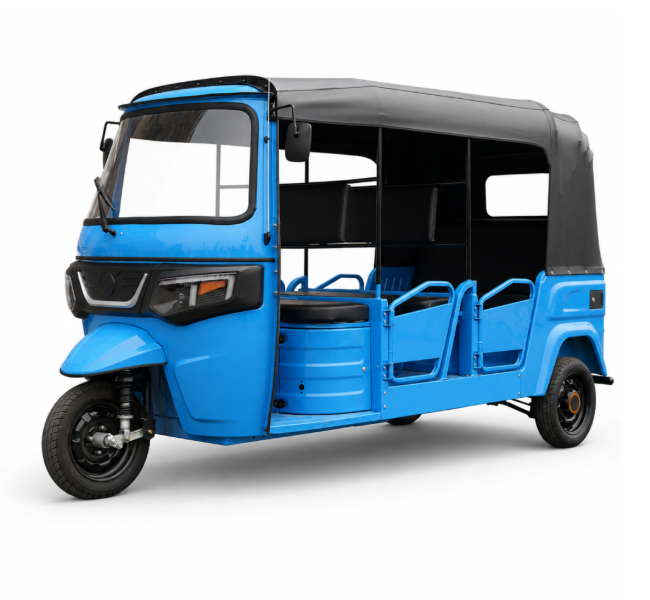
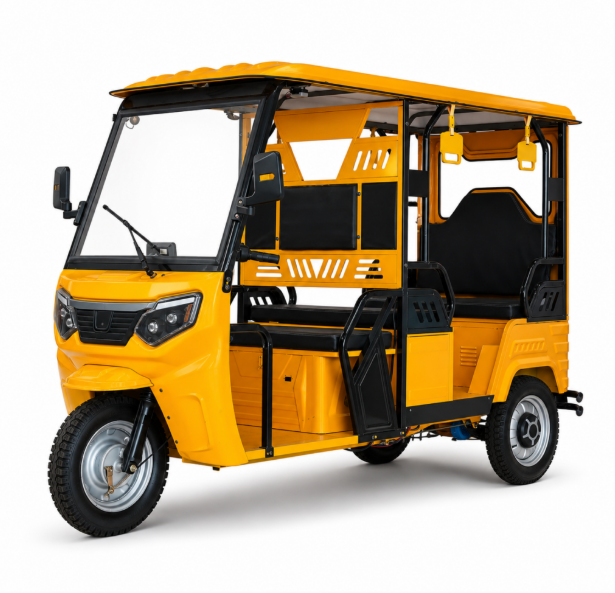
For example, a distributor targeting local passenger transportation might select a compact 3+1 electric tuk tuk as the core model. If there is demand from hotels, resorts, communities or shuttle operators, a 6+1 passenger vehicle could become the second configuration.
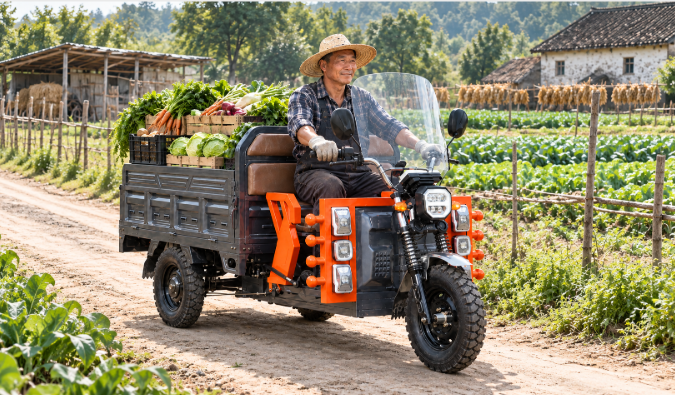
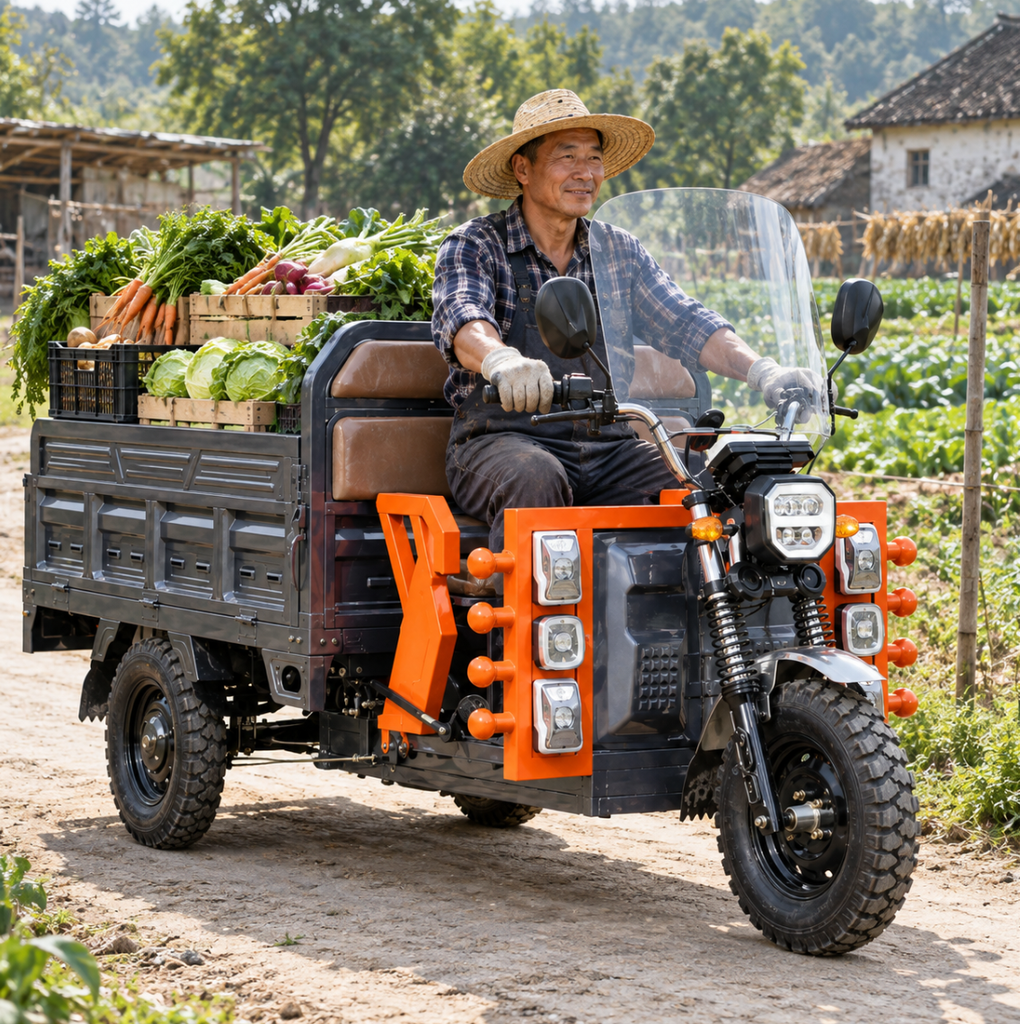
Cargo models can be added where there is clear demand from retailers, farms, delivery businesses or local commercial operators.
The quantity of each model should reflect expected sales rather than simply filling the container with equal numbers of every vehicle.
Distributors should also decide which specifications should remain standardized.
Motor power, battery voltage, battery type, controller, charger, tyres, brakes and other components can create many possible combinations. Excessive customization across a small fleet can make future maintenance difficult.
Where practical, standardizing key components across several models can simplify technician training and spare-parts inventory.
OEM features should also be finalized before production begins. Body colors, logos, decals, seat materials and other branding details need clear approval. Buyers should confirm samples, drawings or visual references so that both parties understand the required appearance.
A bulk order should therefore begin with a product strategy rather than only a quantity target.
2. Build Spare Parts Quality Control and After Sales Into the First Shipment
Selling the vehicle is only the beginning of the distributor’s relationship with the customer.
Once electric tuk tuks begin daily commercial operation, parts will eventually require inspection, maintenance or replacement. Distributors should therefore plan after-sales support before the first large shipment leaves the factory.
A recommended spare-parts package can be discussed according to the vehicle model, order quantity and expected operating conditions.
This may include selected braking components, electrical parts, controllers, chargers, switches, lighting components, suspension-related parts and other service items appropriate to the vehicle.
The objective is not to purchase large quantities of every component. It is to identify parts that are useful to keep locally so that common service requirements can be handled without waiting for an international shipment.
Technical documentation is equally important.
Distributors should understand basic vehicle maintenance procedures and establish communication channels for technical questions. If local technicians will service the vehicles, providing them with suitable information before sales begin can reduce downtime later.
Quality control also changes when an order moves from one sample to many vehicles.
Before mass production, the buyer and manufacturer should confirm the approved specification. This can include motor, battery, controller, charger, passenger layout, body color, branding and optional equipment.
Pre-shipment inspection should then verify that production vehicles match the agreed configuration.
For larger orders, buyers may use their own inspection team or an independent third-party inspection service. The inspection method should be agreed before shipment rather than discussed only after a problem appears.
Serial numbers and vehicle records can also help distributors manage their fleet and after-sales history once the products enter the local market.
3. Think Beyond the First Container and Prepare for Repeat Orders
Bulk purchasing should be planned as the beginning of a supply program rather than a one-time transaction.
Container loading is one practical consideration. Vehicle dimensions, assembly condition and packaging method affect how many units can be shipped and what work will be required after arrival.
A quotation should therefore clarify whether vehicles are shipped fully assembled, partially assembled or in another agreed condition.
Distributors should also understand which tools, instructions or local assembly capabilities may be required after unloading.
Shipping terms need equal attention. Buyers should confirm the agreed Incoterm, port of loading, production lead time, required export documents and responsibility for freight and destination charges.
However, experienced distributors should also think about the second order before placing the first large one.
If a model sells faster than expected, how quickly can additional vehicles be produced? Will the same battery, motor and controller remain available? Can the manufacturer reproduce the same body color and branding? Are replacement parts compatible between production batches?
Consistency becomes increasingly valuable as the installed vehicle base grows.
Sales data from the first commercial batch should therefore be collected systematically. Distributors can track which models sell fastest, which configurations customers request, typical daily mileage, common service questions and which spare parts are used most frequently.
This information can improve the next order.
A first shipment might contain several models for market testing. The second shipment can concentrate more heavily on the configurations that demonstrate the strongest demand.
Over time, distributors can reduce slow-moving variants, standardize successful specifications and negotiate production planning based on more predictable volumes.
This approach transforms bulk purchasing from simply buying vehicles into building a scalable local distribution business.
Conclusion
Ordering electric tuk tuks in bulk requires a different approach from purchasing a sample vehicle. Distributors need to consider not only unit price but also model mix, specification standardization, spare parts, quality control, shipping arrangements and future replenishment.
The strongest first bulk order is usually not the one with the largest number of different models. It is the one built around clearly defined customer groups and manageable vehicle configurations.
By standardizing important components, preparing local spare parts, confirming inspection procedures and collecting real market data after delivery, distributors can make each future order more efficient.
For electric tuk tuk importers, the goal should be to build a repeatable supply and after-sales system that can grow with local demand. A well-planned first container can become the foundation for a much larger long-term distribution business.
Related Articles
 Company News
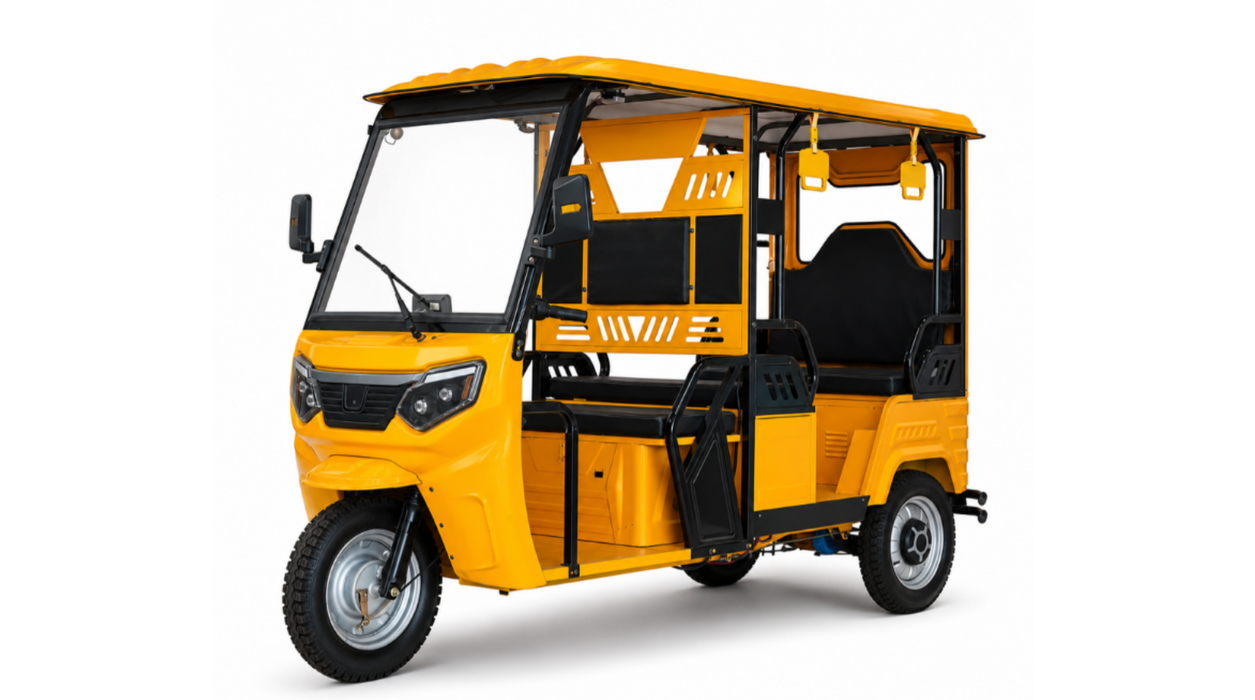
Understanding Payback: A Practical Business Case for Electric Tuk Tuk Buyers
Build a realistic electric tuk tuk payback calculation using purchase cost, energy, maintenance, utilization, revenue and battery replacement assumptions.
Read More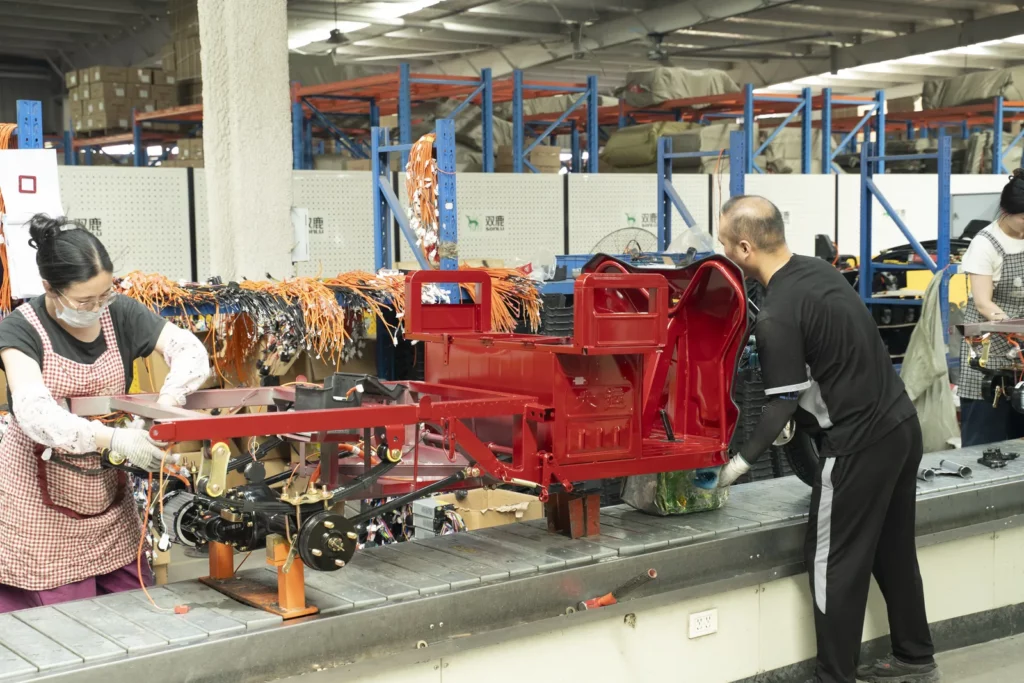 Company News
Built Straight, Built to Last: Why Frame Alignment Matters in Electric Tuk Tuk Production
Learn why frame alignment, welding consistency and correct mounting points matter for electric tuk tuk durability and daily operation.
Read More Company News
TRI-GLOBAL Launches New Tuk Tuk X Series with Upgraded Lithium Battery
Discover the Xinhuanhai Tuk Tuk X Series with an upgraded lithium battery system, reinforced chassis and flexible passenger configurations.
Read More