
TRI-GLOBAL News & Insights
In-depth articles, product stories and thought leadership from TRI-GLOBAL.
Understanding Payback: A Practical Business Case for Electric Tuk Tuk Buyers
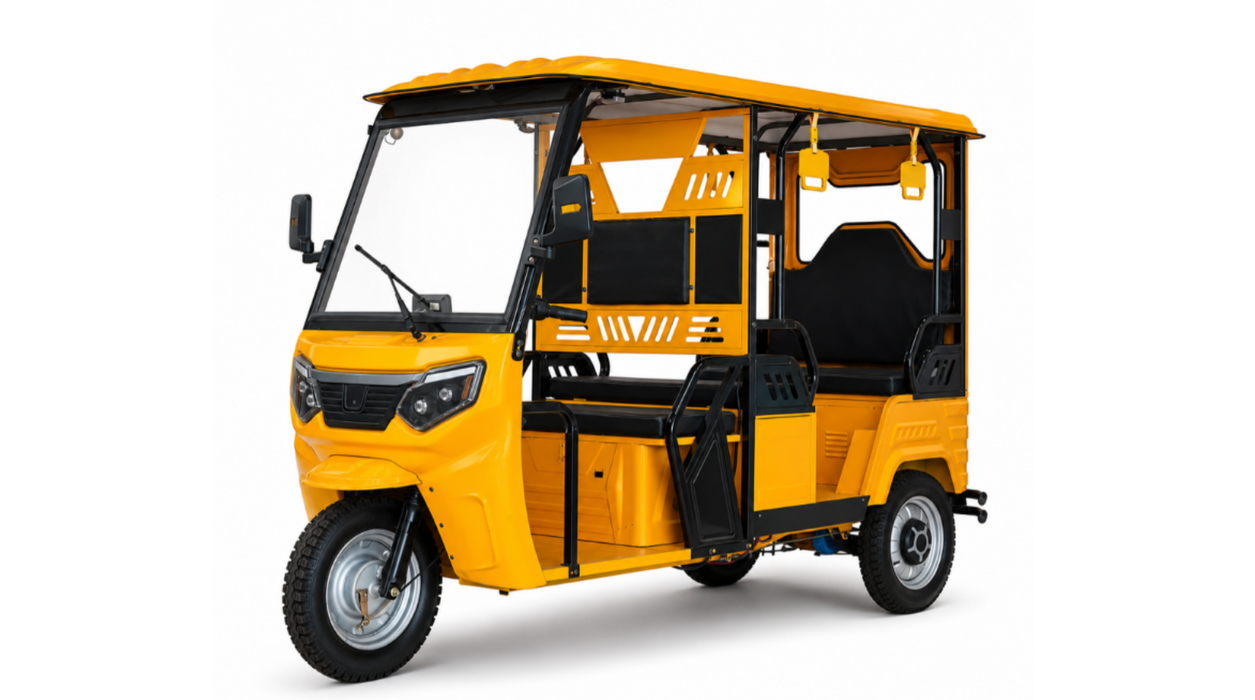
Electric tuk tuks are often described as economical, but a serious buyer needs more than a slogan. The right question is whether a specific vehicle can perform a specific job at a lower total cost or with better earning potential over its working life.
A practical payback calculation does not need to be complicated. It needs honest local numbers and clear assumptions.
Start with the Complete Initial Investment
Include the vehicle price, shipping, duties, registration, local assembly if required, charging equipment, initial spare parts and any body customization. If financing is used, include its cost and payment schedule.
Comparing only factory prices can hide important differences in equipment, battery capacity, cargo body, warranty and included support.
Estimate Daily Operating Cost
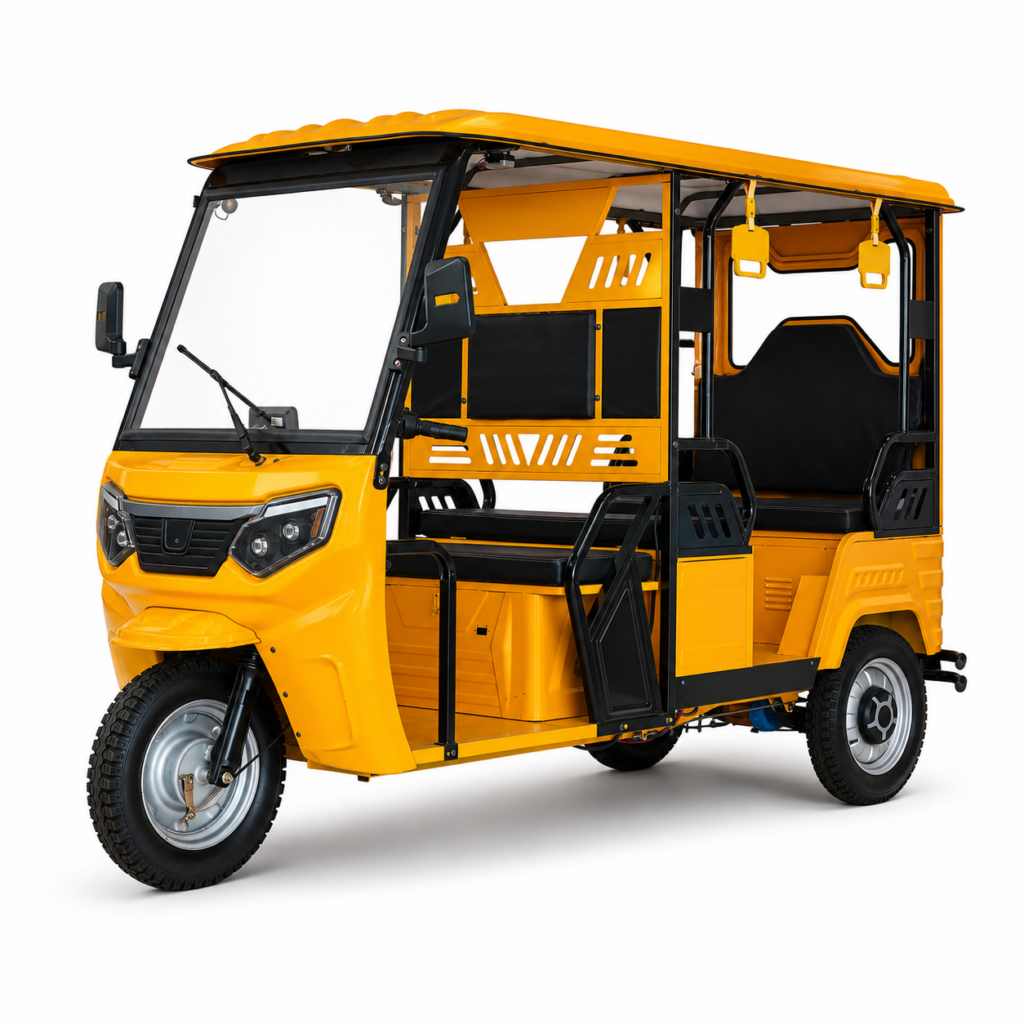
Record expected daily distance, electricity price, working days and typical payload. Add routine maintenance, tires, brake parts, insurance and driver cost. For comparison with a fuel vehicle, use realistic fuel consumption for the same route rather than an ideal laboratory figure.
Battery replacement should be included as a future cost. Its timing depends on chemistry, charging habits, temperature and workload, so it is better to test several scenarios than assume one exact life.
Measure Productive Use and Revenue
For passenger service, estimate realistic paid trips and occupancy. For delivery, estimate stops or loads completed. For internal transport, consider the labor time or larger-vehicle cost avoided.
Utilization has a strong influence on payback. A vehicle that works reliably five or six days each week usually creates more value than one purchased without a defined route or customer need.
Test the Assumptions That Matter Most
Some inputs have a much larger effect on payback than others. For passenger service, occupancy and working days may matter more than small differences in electricity price. For delivery, route density and driver time may dominate. For a fleet replacing fuel vehicles, local fuel price and maintenance history can be decisive.
Change one assumption at a time and observe the result. This sensitivity check shows which risks deserve the most attention and which vehicle features are genuinely valuable to the project.
Include Benefits That Are Difficult to Express in One Number
Quiet operation can improve the passenger experience in resorts and residential areas. A compact footprint can provide access where larger vehicles struggle. Simple controls may reduce driver training time. These benefits should not replace the financial calculation, but they can explain why two options with similar payback still create different business value.
Use Conservative and Optimistic Scenarios
Create at least three cases: conservative, expected and strong utilization. Change energy price, battery replacement timing, maintenance and revenue assumptions. If the project still works in the conservative case, the decision is more resilient.
Payback is not the only benefit. Quiet operation, easier driving, local access and reduced dependence on fuel can also support the business. Xinhuanhai can provide configuration information for buyers building their own total-cost model and comparing passenger, cargo or delivery options.
Related Articles
 Tuk Tuk Technology
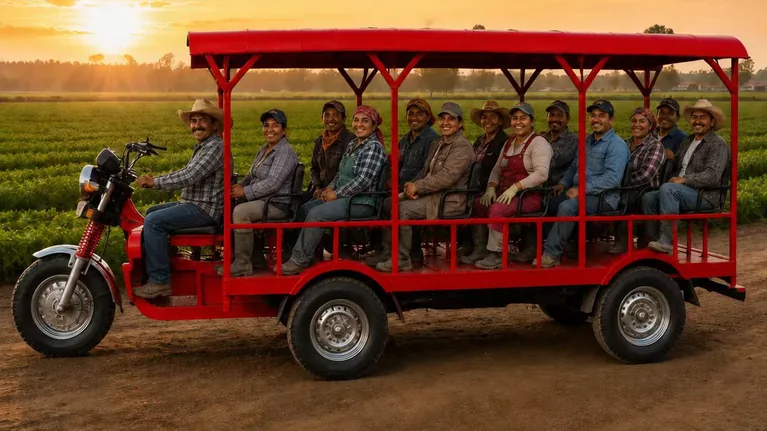
TRI-GLOBAL Develops Multi-Passenger Electric Tricycle for Group Transport
Xinhuanhai is developing a configurable multi-passenger electric tricycle for farms, industrial sites, resorts, campuses and group transport.
Read More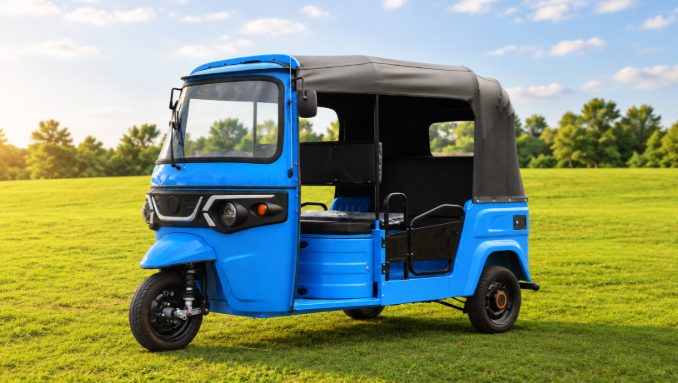 Company News
What Buyers Should Check Before Importing Electric Tuk Tuks from China
China offers a broad manufacturing base for electric tuk tuks, passenger tricycles and commercial three-wheelers, giving overseas buyers access to different seating layouts, motor powers, battery systems and customization options. However, comparing quotations alone is rarely enough to identify the …
Read More Company News
How OEM Electric Tuk Tuk Customization Helps Distributors Enter Local Markets
Entering a new electric tuk tuk market involves more than finding a vehicle and importing it. Distributors need to understand who will buy the vehicle, how it will be used, what customers can afford and which features matter most under local operating conditions. A standard factory configuration may…
Read More