


Xinhuanhai News & Insights
In-depth articles, product stories and thought leadership from Xinhuanhai.
2000W vs 4000W Electric Tuk Tuks and How to Choose the Right Motor Power
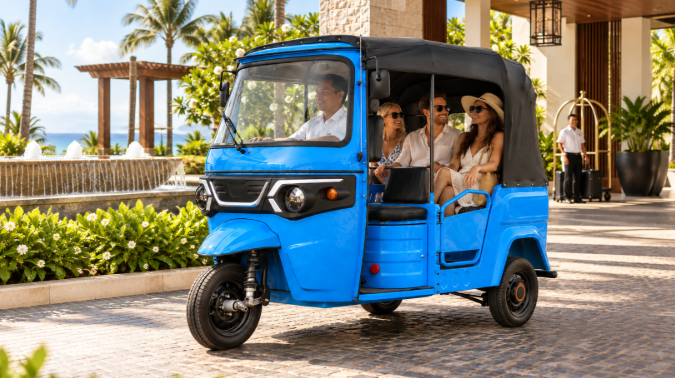
Motor power is one of the first specifications buyers notice when comparing electric tuk tuks. A 2000W model may appear more economical, while a 4000W version seems more powerful and capable. However, choosing between them is not simply a matter of selecting the larger number.
The right motor power depends on how and where the vehicle will operate. Passenger capacity, total load, road gradients, traffic conditions, expected speed and daily working patterns can all influence the appropriate configuration. For importers and distributors, understanding these factors is important because an oversized motor may add unnecessary cost, while an undersized configuration may not provide the performance customers expect.
1. When a 2000W Electric Tuk Tuk Makes More Sense
A 2000W electric tuk tuk can be a practical choice for many short-distance passenger applications, particularly where roads are relatively flat and operating speeds are moderate.
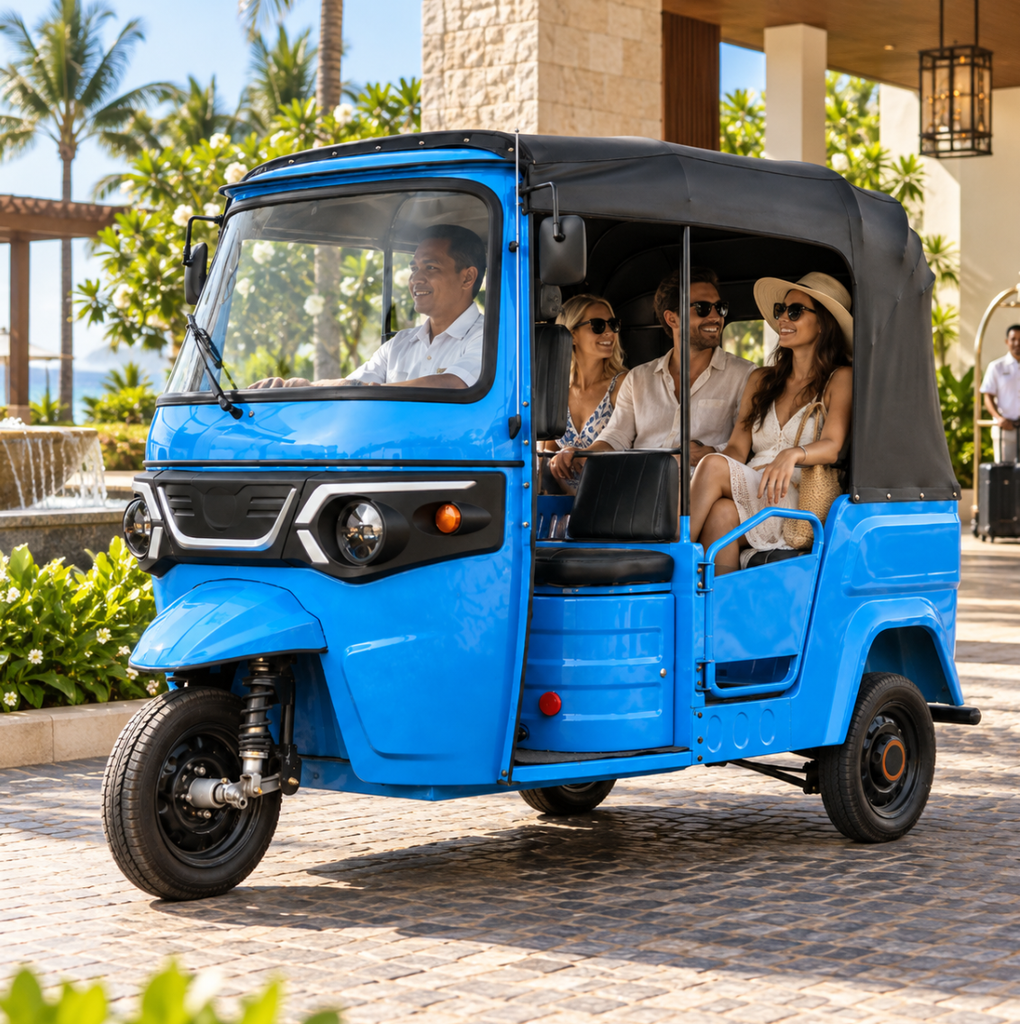
Typical applications may include neighborhood transportation, community mobility, short urban routes, resorts, campuses, tourist areas and other environments where vehicles make frequent short trips rather than long high-speed journeys.
The advantage of a 2000W configuration is not simply lower motor output. When correctly matched with the vehicle weight, battery system and intended passenger load, it can provide a balanced solution for markets where affordability and everyday practicality are more important than maximum performance.
For distributors entering price-sensitive markets, this balance can be especially important.
A customer operating a tuk tuk on relatively flat city streets may not benefit commercially from paying for significantly more power than the route requires. In this situation, the buyer can focus on other important features such as passenger comfort, battery capacity, braking, suspension and spare-parts availability.
However, passenger capacity must still be considered carefully.
A 2000W vehicle configured for 3+1 passengers and a larger 6+1 vehicle do not have identical operating requirements. Vehicle weight and actual passenger load influence acceleration and energy consumption, particularly when the route includes repeated stops.
Importers considering a 2000W configuration should therefore evaluate:
- Typical passenger load
- Maximum expected payload
- Average operating speed
- Road surface
- Number of daily stops
- Typical route distance
- Local gradients
- Required driving range
If the vehicle mainly operates on predictable short routes with moderate loads and limited gradients, 2000W can provide a practical starting point.
2. When a 4000W Motor Can Provide an Advantage
A 4000W electric tuk tuk becomes more relevant when the operating environment places greater demands on the drivetrain.
One obvious example is passenger transportation in areas with more frequent gradients. Moving a loaded vehicle uphill requires more power than driving the same vehicle on flat roads. Buyers serving hilly cities or routes with repeated inclines should therefore discuss gradient conditions with the manufacturer before confirming the motor specification.
Commercial utilization is another consideration.
Some passenger tuk tuks operate only several hours per day, while others are used intensively for taxi services and commercial transportation. Frequent acceleration, heavier loads and longer operating periods can create different performance requirements.
A higher-power configuration may also be attractive where buyers expect stronger acceleration or higher operating speeds, provided that those speeds are appropriate and permitted in the destination market.
However, motor power should never be evaluated independently.
Installing a 4000W motor does not automatically make every electric tuk tuk suitable for heavy-duty operation. The motor must work as part of a complete system that includes the controller, battery, braking system, suspension, tyres and chassis.
Battery configuration deserves particular attention. A more powerful drivetrain can place different demands on the electrical system, especially under heavy acceleration or climbing conditions. Buyers should therefore compare the complete powertrain rather than selecting a vehicle based on the motor label alone.
The same applies to braking.
If a vehicle is designed for greater performance, buyers should check whether the braking and chassis configuration are appropriate for its passenger capacity, operating speed and local road conditions.
For this reason, a properly engineered 4000W electric tuk tuk should be viewed as a complete vehicle configuration rather than simply a 2000W model with a larger motor installed.
3. Choose Motor Power According to the Market Rather Than the Specification Sheet
For importers, the best motor is the one that fits the customer’s real operating conditions.
Consider a distributor selling electric tuk tuks into several different segments.
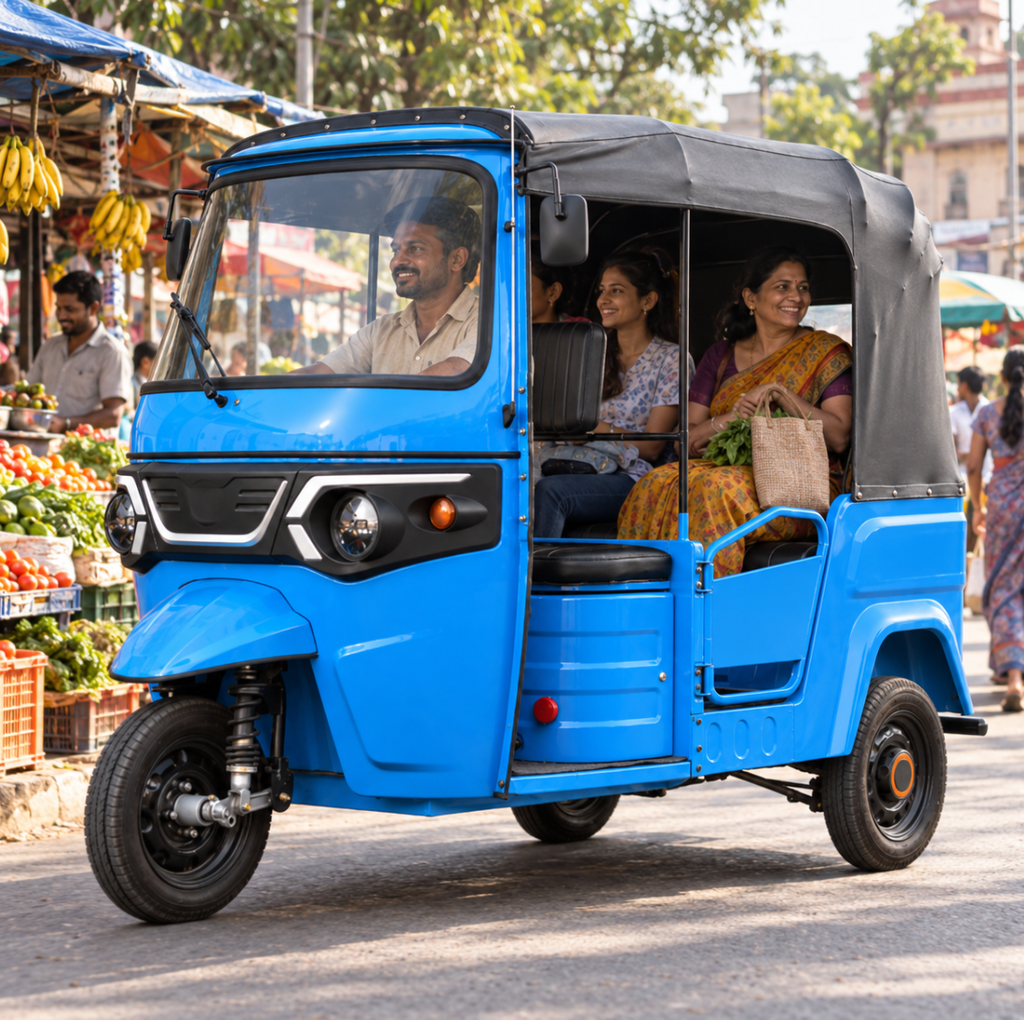
Customers operating short neighborhood routes on flat roads may prioritize affordability and simple daily operation. A properly configured 2000W model could be suitable for this group.
A second group may operate commercial passenger services with heavier loads, longer working hours or more demanding roads. These customers may value the additional performance available from a 4000W configuration.
Tourism and resort customers can have different priorities again. Passenger comfort, appearance, low-speed maneuverability and smooth operation may be more important than maximum motor power.
This means a distributor does not necessarily need to choose one motor specification for the entire market.
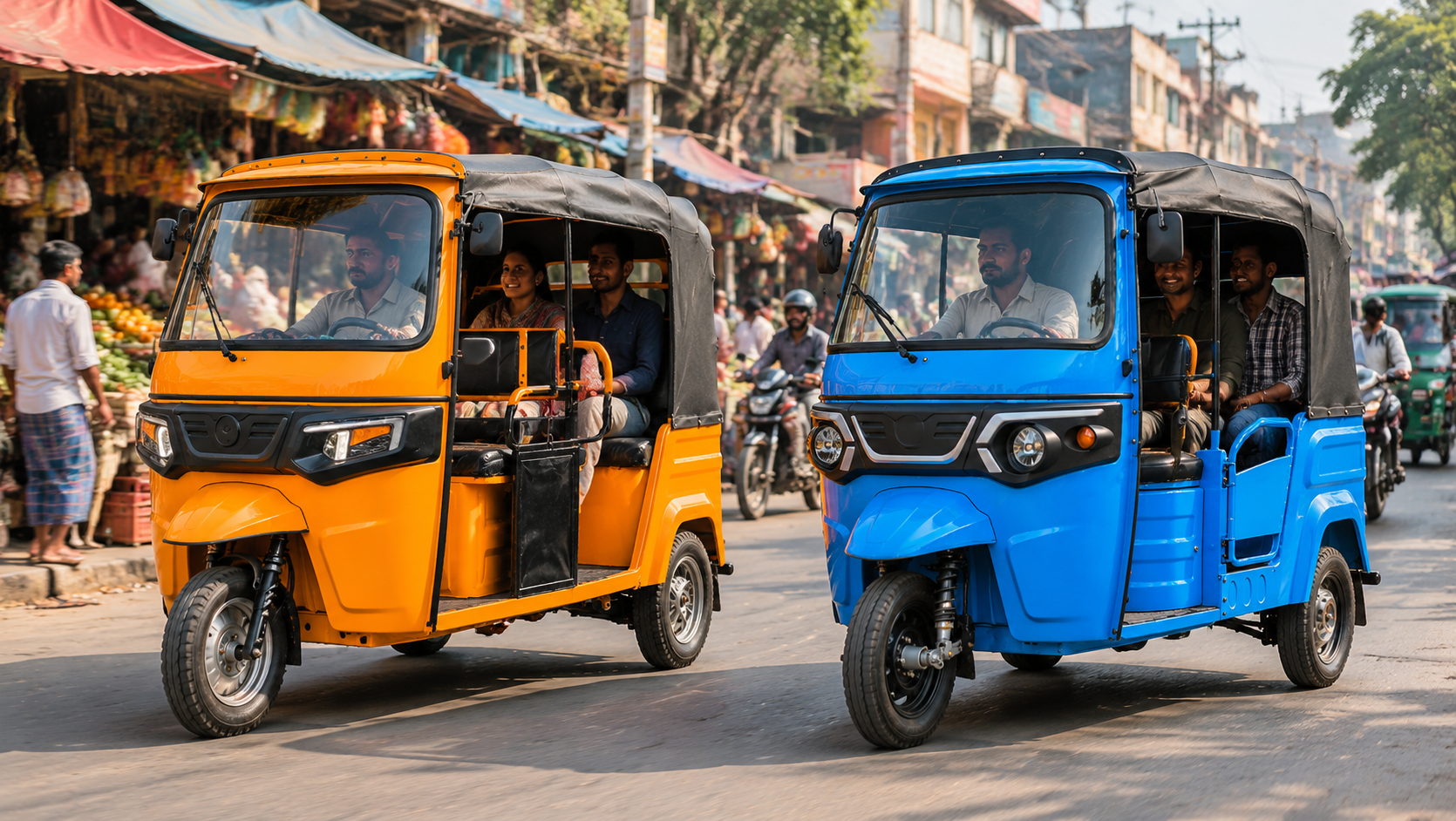
A more effective product strategy can be to create several clearly positioned configurations. For example, an economical 2000W passenger model can serve price-sensitive applications, while a 4000W version can target customers requiring higher performance.
Before requesting a quotation, importers should provide information about destination country, passenger capacity, road conditions, gradients, daily mileage and expected operating speed.
A supplier can then recommend the motor, battery and controller configuration as one complete power system.
Buyers should also remember that motor power is only one part of vehicle performance. A successful electric tuk tuk must balance power with range, passenger capacity, safety, comfort, maintenance and purchase cost.
Selecting the largest motor available is therefore not always the best purchasing decision. Selecting the motor that matches the real market usually is.
Conclusion
The difference between a 2000W and 4000W electric tuk tuk is not simply a choice between less power and more power. Each configuration can be appropriate when matched with the right application.
A 2000W model can provide a practical solution for short-distance passenger transportation, moderate loads and relatively flat routes. A 4000W configuration may be better suited to more demanding operating conditions, including heavier commercial use, stronger performance requirements and routes with more frequent gradients.
For importers and distributors, motor power should be selected together with the battery, controller, passenger capacity, braking system and chassis configuration. By starting with real road conditions and customer requirements, buyers can choose an electric tuk tuk that offers the right balance of performance, cost and everyday usability.
Related Articles
 Tuk Tuk Technology
What Electric Tuk Tuk Buyers Should Know About Braking Systems
When purchasing electric tuk tuks for passenger transportation, braking performance is one of the most important technical considerations. Although buyers often focus on motor power, battery capacity, driving range and vehicle appearance, the braking system plays a direct role in vehicle control, pa…
Read More Company News
What Buyers Should Check Before Importing Electric Tuk Tuks from China
China offers a broad manufacturing base for electric tuk tuks, passenger tricycles and commercial three-wheelers, giving overseas buyers access to different seating layouts, motor powers, battery systems and customization options. However, comparing quotations alone is rarely enough to identify the …
Read More Company News
How to Choose Electric Tuk Tuks for African Roads and Operating Conditions
Choosing an electric tuk tuk for an African market requires more than selecting passenger capacity, motor power and battery size from a specification sheet. The same vehicle may perform very differently depending on road surfaces, gradients, passenger loads, climate, daily mileage and maintenance co…
Read More