

TRI-GLOBAL News & Insights
In-depth articles, product stories and thought leadership from TRI-GLOBAL.
Why Electric Tuk Tuks Use Less Energy on Short Urban Routes
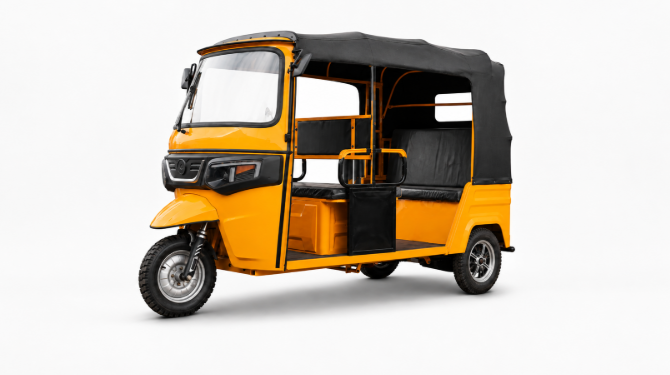
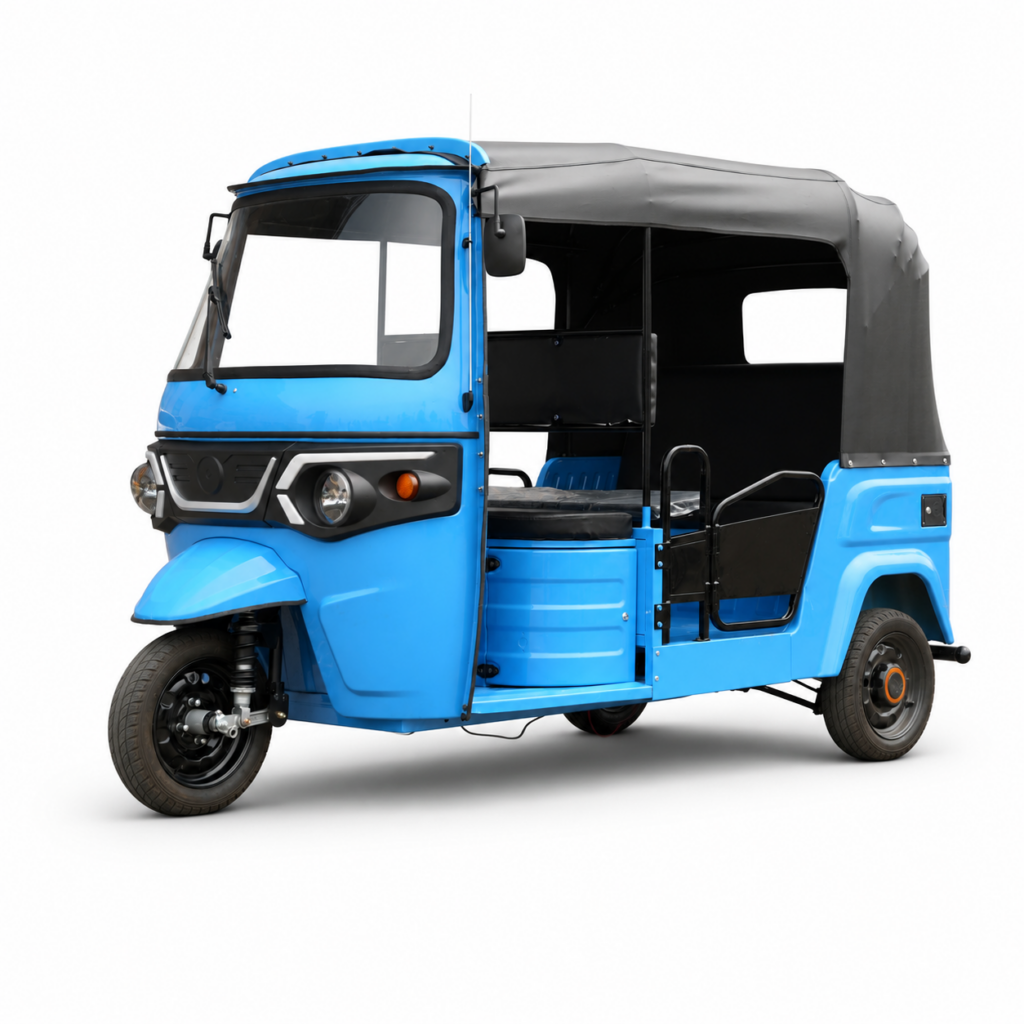
Short urban trips are often the least efficient work for a large vehicle. Starting, stopping, waiting and moving through narrow streets all consume time and energy. An electric tuk tuk is designed around a smaller footprint and a lighter daily job, which can make it a practical choice for local passenger service and short-distance mobility.
The saving does not come from one feature alone. It comes from matching the vehicle size, motor, battery and route to the work that actually needs to be done.
A Right-Sized Vehicle Moves Less Unnecessary Weight
When the trip involves a few passengers or a modest load, a compact three-wheeler avoids moving the mass of a full-size van or bus. Less vehicle weight generally means less energy is needed for acceleration on the same route, especially in frequent stop-and-go use.
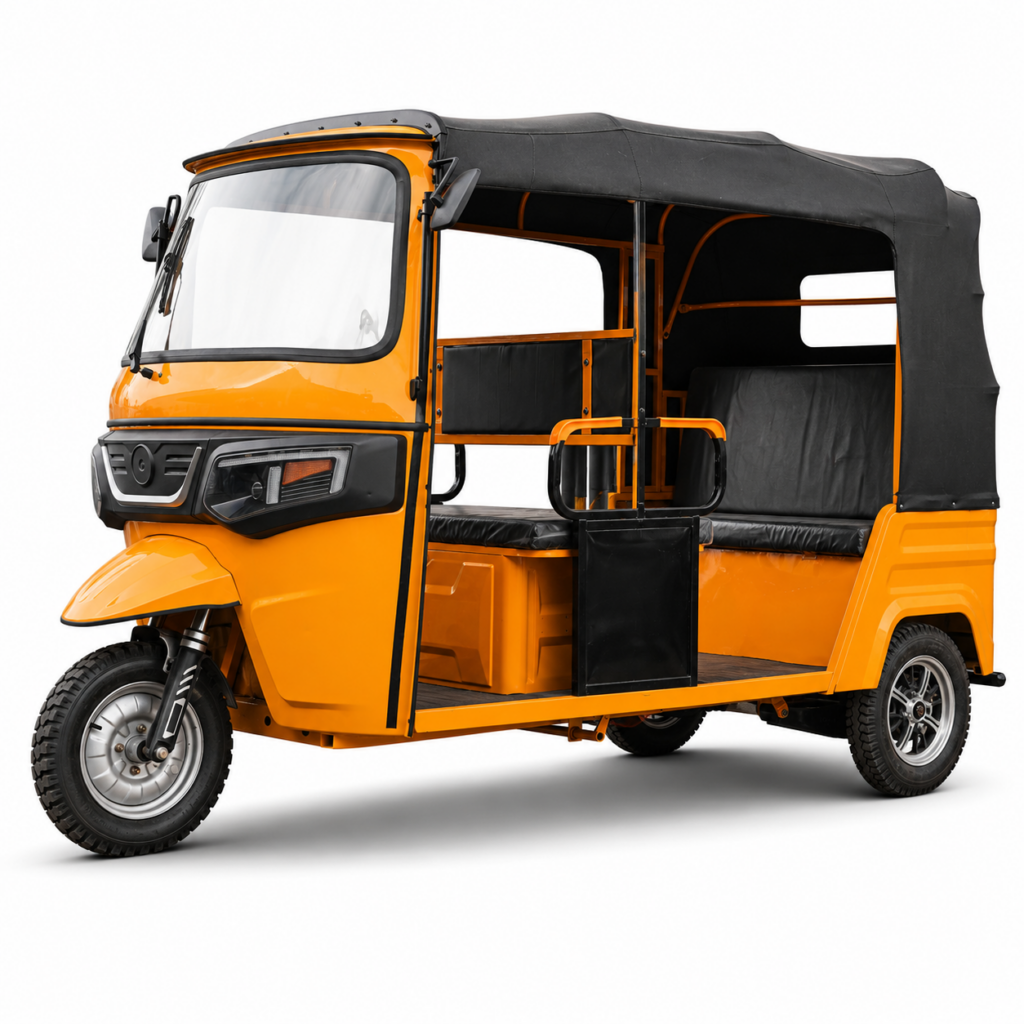
Electric Drive Is Well Suited to Repeated Starts
Electric motors deliver useful torque from low speed without idling fuel while the vehicle waits. In busy local service, that characteristic supports smooth starts and simple operation. Drivers do not need to manage a multi-speed engine and clutch in the same way as a conventional small commercial vehicle.
Actual energy use still depends on speed, payload, hills, tire pressure, weather and driving style. Gentle acceleration and a well-planned route can make a meaningful difference.
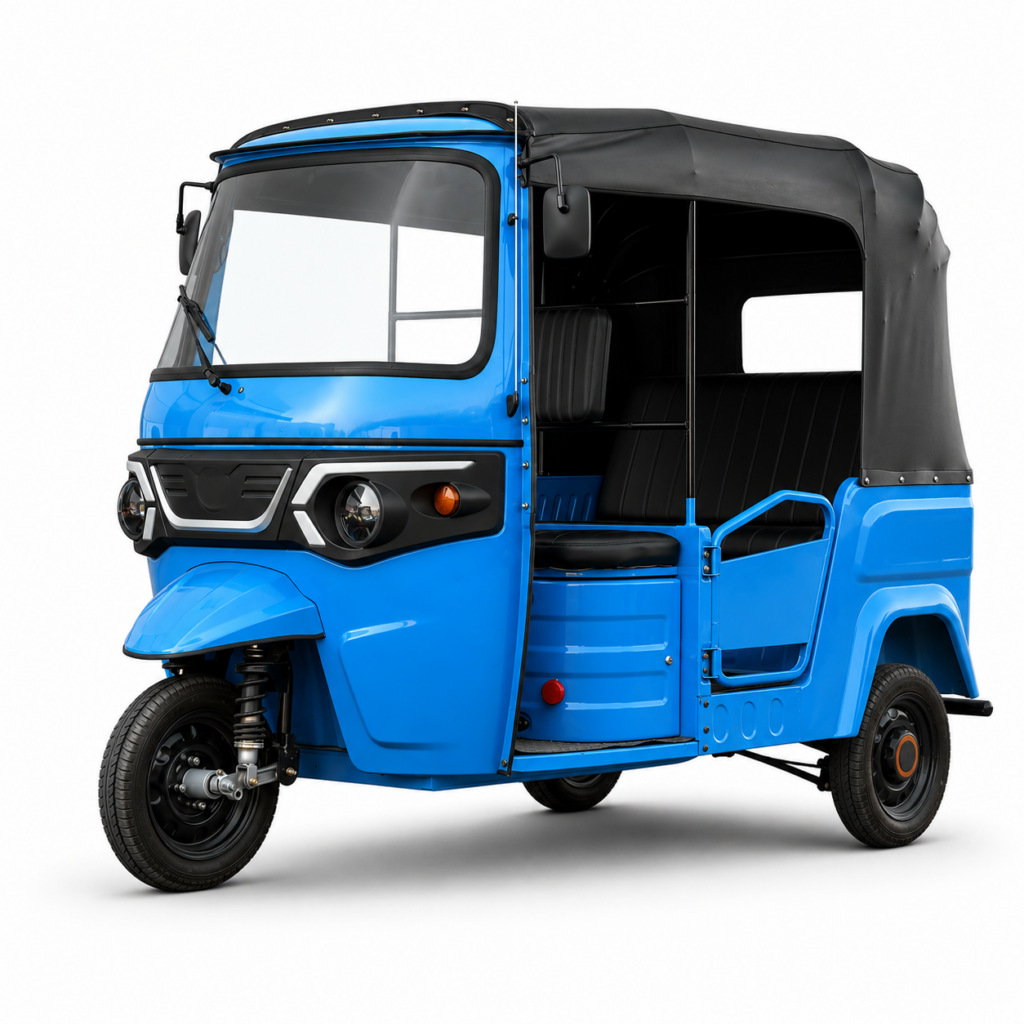
Overnight Charging Can Fit the Working Day
Many local routes return to the same home, shop, depot or hotel each evening. That creates a simple charging pattern: work during the day and charge during planned downtime. Operators can choose battery capacity based on expected distance instead of paying for more capacity than the route needs.
Where possible, charging should be carried out with suitable electrical infrastructure and according to the battery and charger instructions. Battery care has a direct effect on service life and operating cost.
Driver Habits Turn Technical Efficiency into Real Savings
Two identical vehicles can use different amounts of energy on the same route. Smooth acceleration, sensible speed, correct tire pressure and avoiding unnecessary load all help preserve range. Training drivers to notice changes in braking, steering or energy consumption can also reveal maintenance needs early.
Route design matters too. Grouping nearby stops and reducing empty return trips may save more energy than choosing a slightly larger battery. Efficient operation is a combination of vehicle technology and daily discipline.
Calculate Energy Cost with Local Numbers
A useful comparison starts with daily distance and local energy prices. Estimate the electricity required for the selected battery and route, then compare it with the fuel used by the vehicle it would replace. Include charging losses, seasonal conditions and realistic payload.
Xinhuanhai can help buyers compare configurations for passenger transport, resorts, communities and commercial fleets. A right-sized electric tuk tuk can reduce wasted energy while keeping daily mobility simple and accessible.
Related Articles
 Company News
What Buyers Should Check Before Importing Electric Tuk Tuks from China
China offers a broad manufacturing base for electric tuk tuks, passenger tricycles and commercial three-wheelers, giving overseas buyers access to different seating layouts, motor powers, battery systems and customization options. However, comparing quotations alone is rarely enough to identify the …
Read More Company News
2000W vs 4000W Electric Tuk Tuks and How to Choose the Right Motor Power
Motor power is one of the first specifications buyers notice when comparing electric tuk tuks. A 2000W model may appear more economical, while a 4000W version seems more powerful and capable. However, choosing between them is not simply a matter of selecting the larger number. The right motor power …
Read More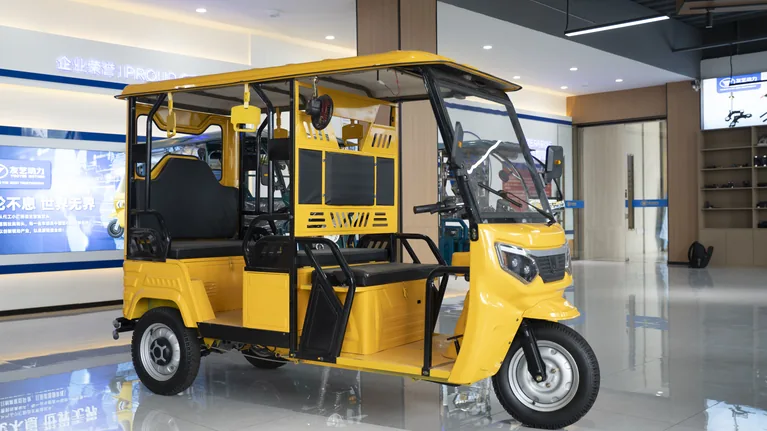 Company News
When Everyone Wants to Face the Journey Ahead
Explore the deluxe forward-facing 6+1 electric tuk tuk for hotels, resorts, communities and group travel where every passenger faces ahead.
Read More