


TRI-GLOBAL News & Insights
In-depth articles, product stories and thought leadership from TRI-GLOBAL.
A Small Vehicle with Big Business Potential: Five Ways to Earn with an Electric Tuk Tuk
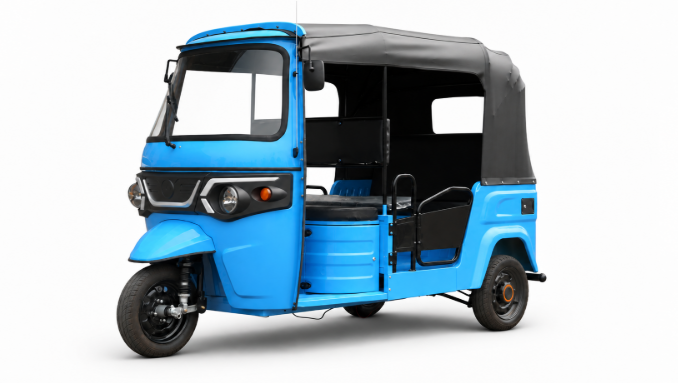
An electric tuk tuk is more than a way to move from one place to another. For a family business, cooperative, hotel or local entrepreneur, it can become a compact income-producing tool. Its value comes from being easy to operate, adaptable and appropriately sized for short routes.
Every market has different licensing, insurance and operating rules, so a business plan should begin with local research. Once those requirements are clear, the vehicle can be matched to a service people already need.
1. Neighborhood Passenger Service
In communities where destinations are close but walking is difficult, a small passenger tuk tuk can connect homes with markets, schools, clinics and transport hubs. A regular route and clear fare structure can build trust with repeat passengers.
2. Hotel, Resort and Scenic-Area Transport
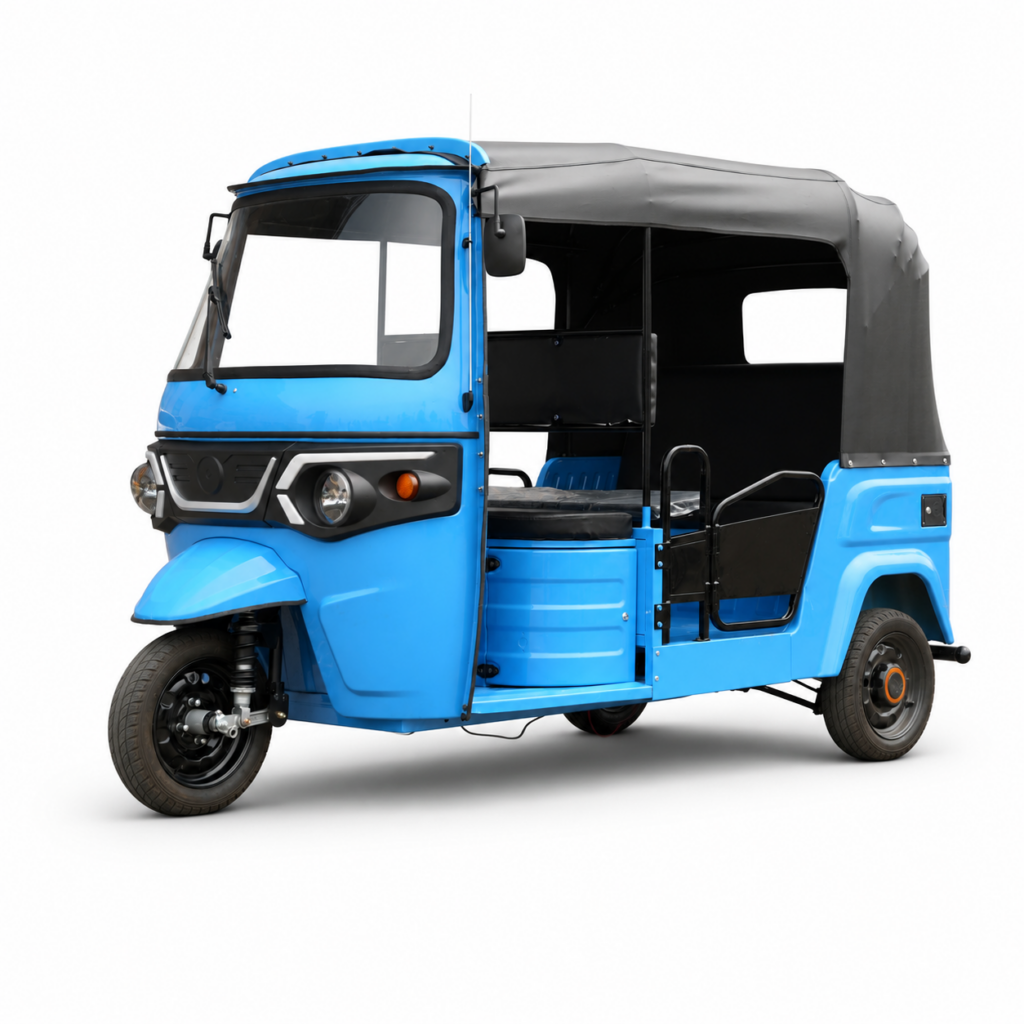
Quiet electric operation suits hotels, parks, campuses and attractions where the journey is part of the guest experience. The body color, seating and branding can be coordinated with the property, while planned loops make charging and scheduling easier.
3. Local Delivery and Collection
A passenger platform is not the only option. Cargo and enclosed-box three-wheelers can deliver groceries, meals, parcels, laundry or farm products. The lower operating complexity can be attractive for businesses that make many short stops each day.
4. Mobile Retail or Service
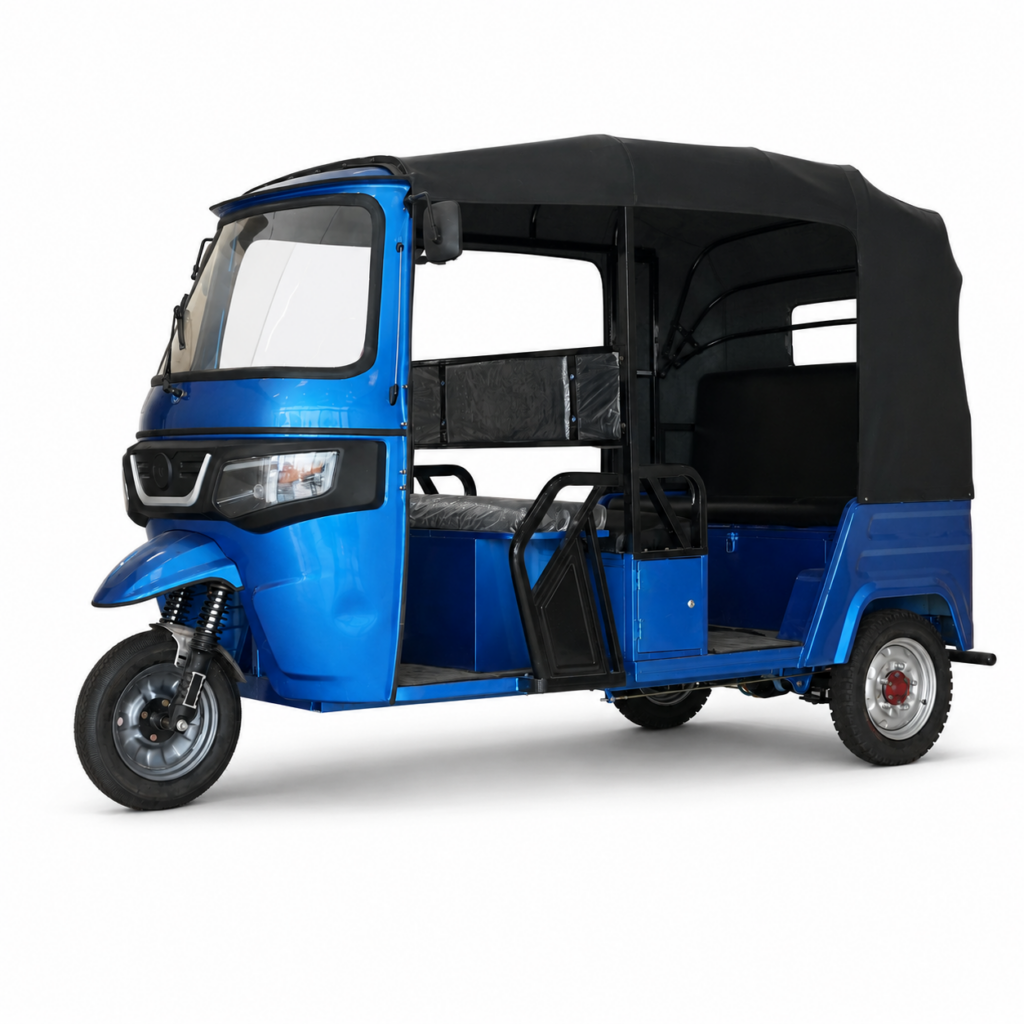
With the right body, an electric three-wheeler can become a mobile kiosk, display vehicle or service point. Coffee, snacks, flowers, tools or promotional materials can travel closer to customers. The vehicle then works as both transport and a visible business asset.
5. Staff and Community Shuttle
Factories, farms, campuses and residential areas often need short internal trips that do not justify a full-size vehicle. A multi-passenger electric tuk tuk can move staff or visitors on a predictable route with simple daily charging.
Branding Can Add a Second Kind of Value
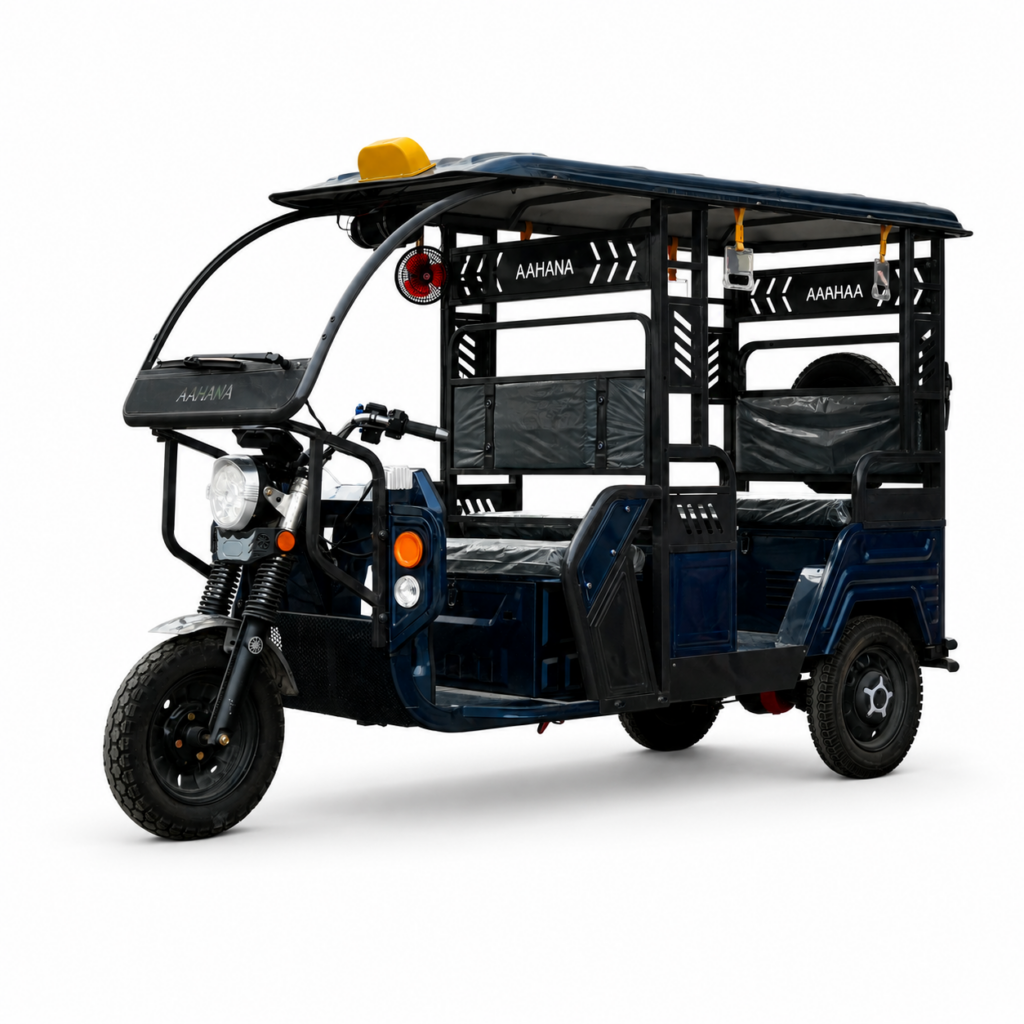
A visible body surface can carry a hotel identity, shop name, route information or local advertising. Good branding helps passengers recognize the service and can create promotional value while the vehicle is working. The design should remain clear and durable rather than overcrowded.
Seasonal Demand Needs a Flexible Plan
Tourism and event transport may be busy only at certain times of year. Owners can improve utilization by planning a second use for quieter periods, such as local delivery, staff transport or promotional events. The body layout and licensing rules should be reviewed before assuming one vehicle can perform every role.
Permits, insurance, driver requirements and passenger safety rules vary by country and city. Confirming them early protects the investment and prevents a useful vehicle from sitting idle.
Build the Business Around Utilization
The best economic result comes when the vehicle has a clear job and enough daily use. Estimate expected trips, passengers or deliveries, then subtract electricity, driver cost, maintenance, insurance, permits and financing. Avoid basing the decision only on optimistic revenue.
Xinhuanhai offers passenger, cargo and delivery configurations and can discuss OEM/ODM details for local business models. A practical vehicle specification and a realistic route plan are the foundation of sustainable income.
Related Articles
 Company News
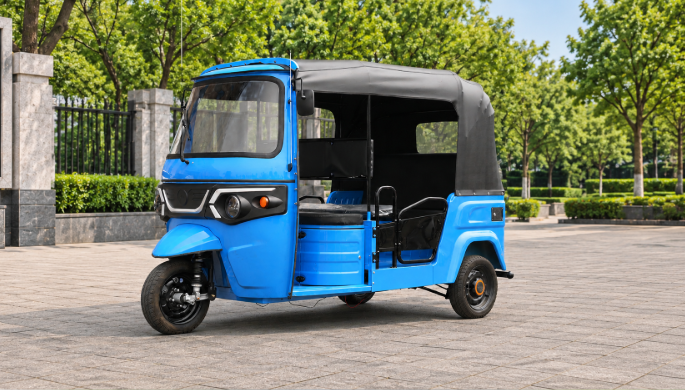
Why Electric Tuk Tuks Are Gaining Attention Across African Markets
Across Africa, transportation needs vary significantly from large capital cities to smaller towns, tourism areas and rural communities. In many locations, short-distance passenger transport remains an essential part of everyday mobility, while small businesses also need affordable vehicles for movin…
Read More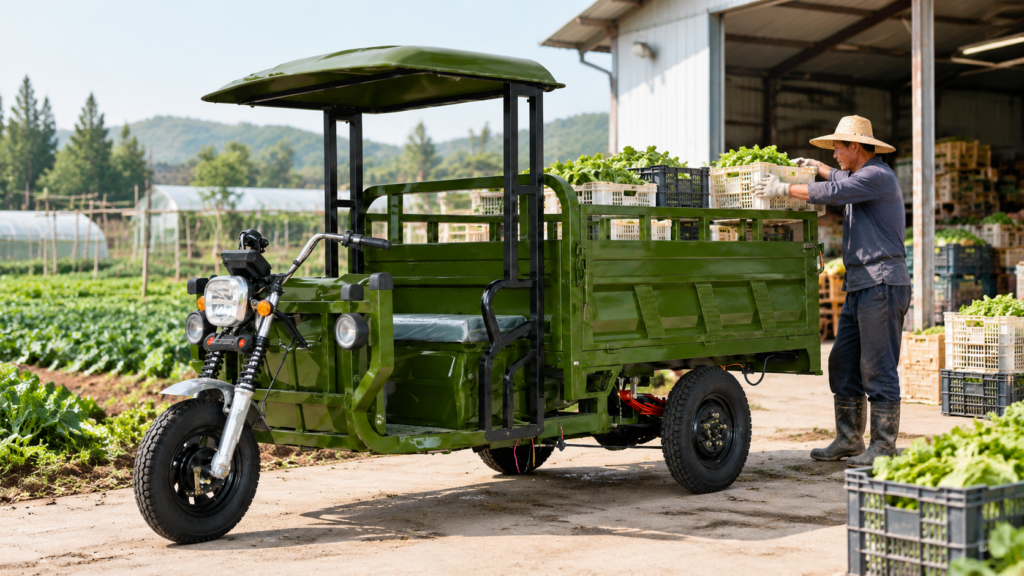 Tuk Tuk Technology
How to Choose Electric Three Wheelers for Small Business Transportation
Learn how to choose electric three wheelers for small business transportation. Compare cargo tricycle features, payload needs, and manufacturer selection tips for efficient local delivery.
Read More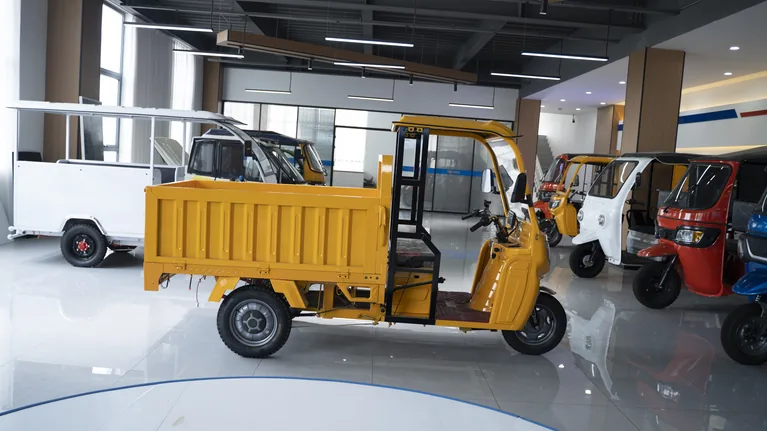 Company News
A Simple Canopy, an Open Bed and a Full Day of Useful Work
See how a simple-canopy electric cargo tricycle supports farms, markets and small businesses with an open bed, practical loading and daily versatility.
Read More