

Xinhuanhai News & Insights
In-depth articles, product stories and thought leadership from Xinhuanhai.
What Buyers Should Check Before Importing Electric Tuk Tuks from China
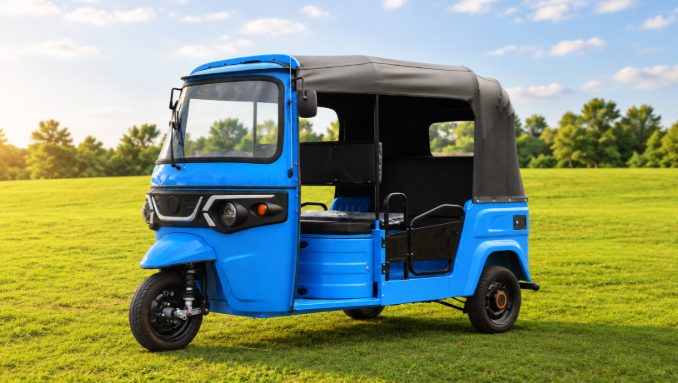
China offers a broad manufacturing base for electric tuk tuks, passenger tricycles and commercial three-wheelers, giving overseas buyers access to different seating layouts, motor powers, battery systems and customization options. However, comparing quotations alone is rarely enough to identify the right supplier or vehicle.
For importers and distributors, the more important task is to verify whether the product, supplier and order conditions match the intended market. A lower initial price can quickly lose its advantage if specifications are unclear, spare parts are difficult to obtain or the vehicle does not meet local operating requirements. Before confirming an order, buyers should therefore conduct several practical checks.
1. Verify the Supplier and Confirm the Exact Vehicle Specification
The first step is to understand who will actually manufacture and support the vehicle.
Buyers should clarify whether they are working with a manufacturer, an export company supported by a manufacturing facility or another type of supplier. The important point is not simply the company label. Importers need to understand where the vehicles are produced, how quality is controlled and who will handle technical and after-sales issues after shipment.
Factory information, production capabilities, product photos, videos and inspection procedures can provide useful evidence during supplier evaluation. For larger orders, buyers may also request a factory visit, video inspection or third-party inspection before shipment.
The next step is to confirm the exact specification rather than relying only on a model name.
Two electric tuk tuks with a similar appearance can have very different configurations. Buyers should check motor power, rated voltage, battery type and capacity, passenger capacity, maximum payload, braking system, suspension, tyres, controller and charging requirements.
For example, a compact passenger vehicle intended for short urban routes may have very different requirements from a higher-capacity tuk tuk carrying six passengers every day.
A quotation should therefore clearly identify the agreed configuration.
Buyers should pay particular attention to battery specifications. Instead of accepting descriptions such as “lithium battery” or “long range,” ask for the battery voltage, capacity, chemistry where relevant, charger specification and expected operating range under defined conditions.
Range figures should also be treated carefully because passenger load, road gradient, driving speed, temperature and battery configuration can significantly affect real-world performance.
A detailed specification sheet attached to the purchase agreement helps both buyer and supplier work from the same technical reference.
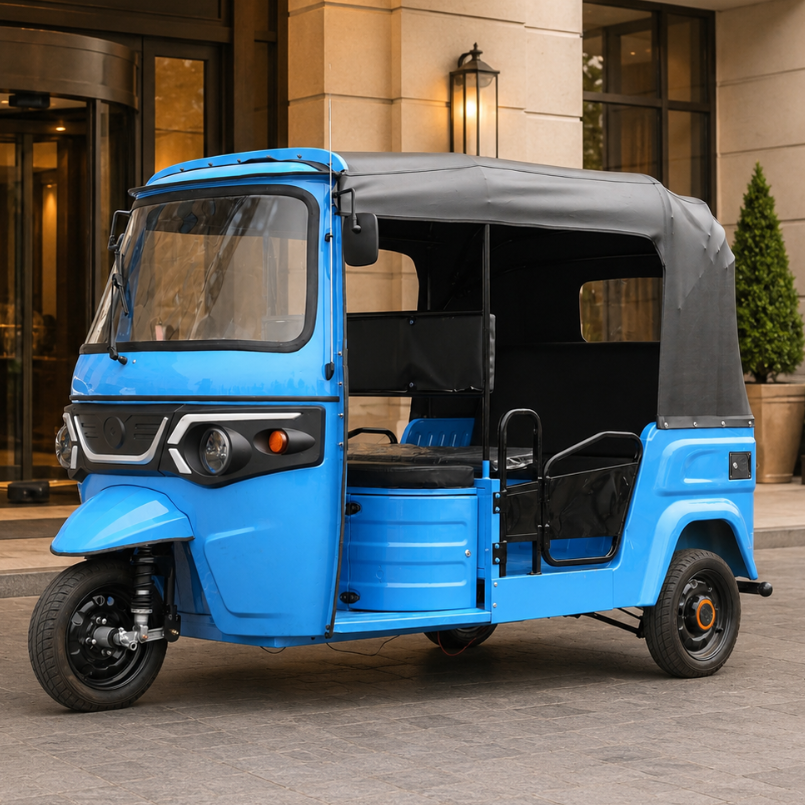
2. Check Whether the Vehicle Fits the Destination Market
A vehicle suitable for one country may not automatically be suitable for another.
Before importing electric tuk tuks from China, buyers should investigate how the vehicle will be classified and used in the destination market. Registration rules, permitted operating areas, maximum speed, lighting, braking requirements, vehicle dimensions and other technical requirements can vary by jurisdiction.
Importers should confirm applicable requirements with the relevant local authorities or qualified specialists rather than assuming that a vehicle accepted in another market will automatically qualify in their own country.
Operating conditions are equally important.
For markets with rough roads, frequent speed bumps or unpaved sections, buyers should pay closer attention to ground clearance, suspension, tyres, chassis construction and braking performance. For hilly areas, motor output, controller configuration, passenger load and climbing capability become more important.
Climate also affects specification decisions. Vehicles operating in hot, dusty or rainy environments may require different maintenance planning from vehicles used mainly on paved roads in moderate climates.
Charging conditions should be reviewed before the vehicles arrive. Buyers need to know the local grid voltage and plug requirements and whether commercial operators will charge vehicles overnight or require more intensive daily operation.
Passenger configuration should also match the business model. A 3+1 electric tuk tuk can be practical for short-distance passenger services, while 6+1 configurations may be more suitable for shuttle operations, tourism, communities and routes where carrying more passengers per trip is important.
The right specification is therefore determined by the destination market rather than by the supplier’s standard configuration alone.
3. Review Quality Control Shipping Spare Parts and After Sales Support
Before paying the balance and arranging shipment, buyers should establish how the finished vehicles will be inspected.
A pre-shipment inspection can include vehicle appearance, electrical functions, lights, brakes, steering, tyres, charging operation, battery configuration and other agreed specifications. For larger orders, buyers should define the inspection method and acceptance criteria before production is completed.
Packaging and loading method should also be confirmed.
Electric tuk tuks may be shipped in different assembly conditions depending on model, container utilization and importer requirements. Buyers should understand what assembly work will be required after arrival and whether the supplier provides installation instructions, technical documents or assembly support.
Spare parts deserve particular attention for commercial fleets and distributors.
Before the first container leaves China, buyers should discuss which components are most likely to require replacement during normal operation. Keeping suitable electrical components, brake parts, suspension parts, tyres and other service items locally can reduce vehicle downtime and improve customer confidence.
Warranty terms should also be written clearly. Buyers should understand which components are covered, the warranty period, what evidence is required for a claim and how replacement parts will be handled.
Finally, importers should confirm commercial details including production lead time, payment terms, Incoterms, packing method, shipping documents and the responsibilities of both parties.
These checks may appear less exciting than negotiating the unit price, but they often determine whether an overseas electric tuk tuk project operates smoothly after the vehicles reach the market.
Conclusion
Importing electric tuk tuks from China should begin with more than a price comparison. Buyers need to verify the supplier, define the exact vehicle specification, check destination-market requirements and establish clear procedures for quality inspection, shipping, spare parts and after-sales support.
A successful order is one in which the vehicle fits its real operating environment and both parties understand exactly what will be produced and delivered.
For importers and distributors planning to develop passenger transportation or commercial electric mobility markets, careful preparation before the first order can reduce sourcing risks and create a stronger foundation for long-term cooperation.
Related Articles
 Tuk Tuk Technology
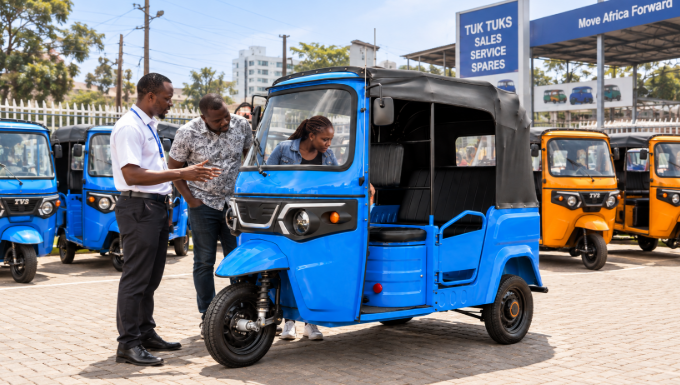
How to Evaluate Electric Tuk Tuk Demand in Kenya Before Importing
Kenya is an interesting market for electric mobility because of its growing interest in electric transportation, established motorcycle taxi services and demand for practical urban mobility solutions. However, these conditions do not automatically guarantee strong demand for electric tuk tuks in eve…
Read More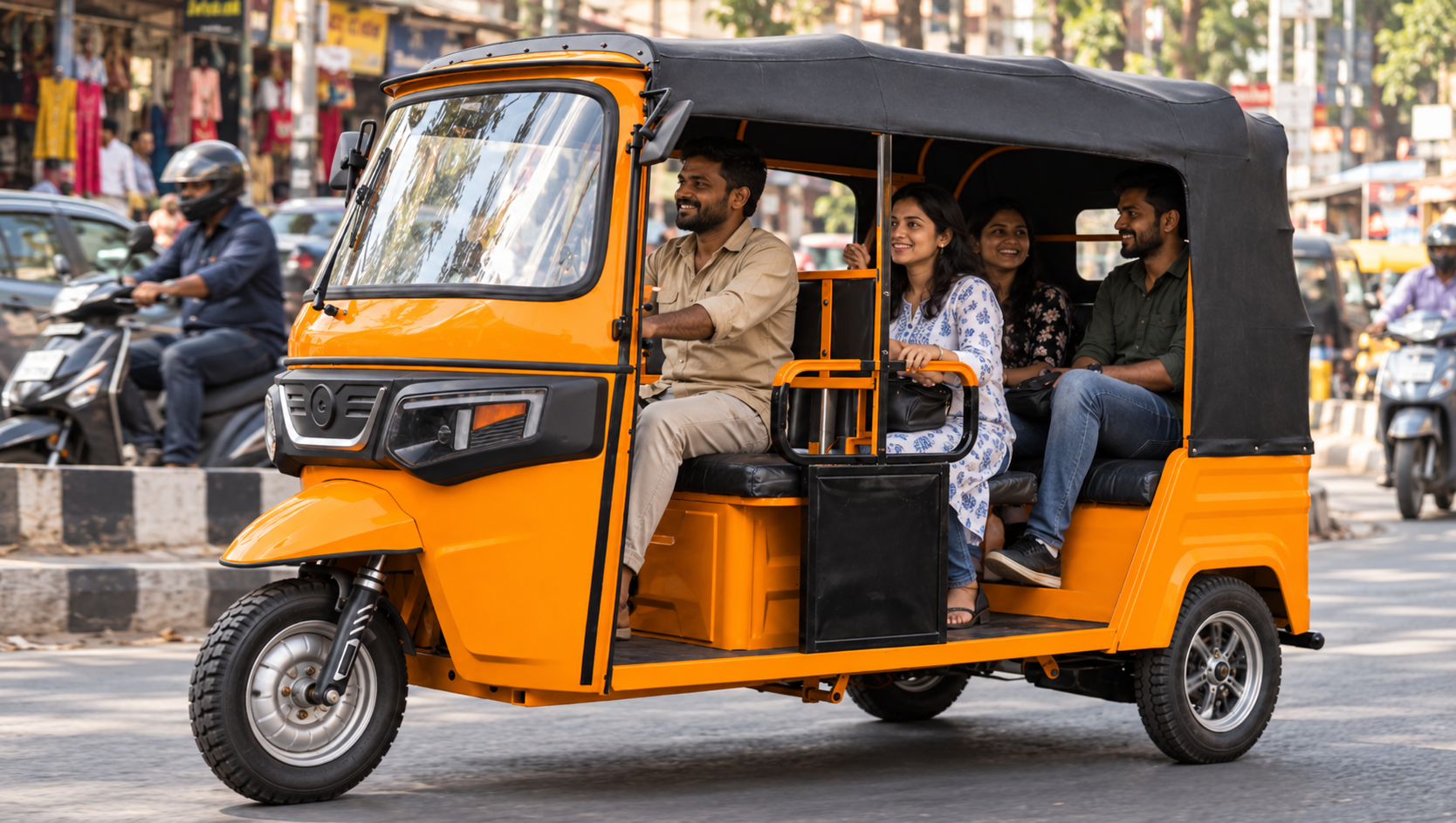 Company News
What Makes a Reliable Electric Tuk Tuk Chassis for Daily Commercial Use
For commercial electric tuk tuks, the chassis is one of the most important structural components affecting long-term vehicle reliability. While buyers often focus on motor power, battery capacity and driving range, the chassis determines how effectively the vehicle supports passenger loads, absorbs …
Read More Tuk Tuk Technology
2026 Electric Three-Wheeler Market Outlook: Opportunities for Importers
Explore electric three-wheeler market trends, regional opportunities and a practical sourcing checklist for importers and fleet buyers.
Read More