

TRI-GLOBAL News & Insights
In-depth articles, product stories and thought leadership from TRI-GLOBAL.
Export Readiness Beyond the Vehicle: Packing, Spare Parts and Technical Support
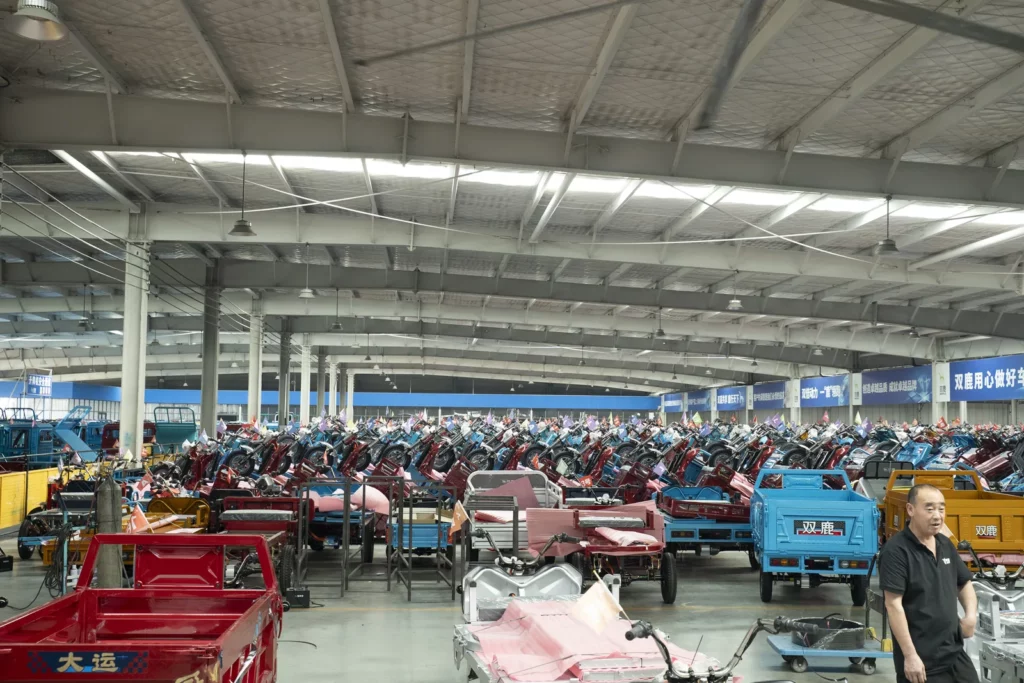
A vehicle can pass every factory test and still create problems if export preparation is treated as an afterthought. International delivery introduces its own questions: How will the vehicles fit into the container? Which parts need protection or temporary removal? What information will technicians need after arrival?
Xinhuanhai approaches export readiness as part of the order, not a separate task at the end. Packing, documents, spare parts and service planning are considered alongside the vehicle configuration.
Packing Begins with the Vehicle and the Route
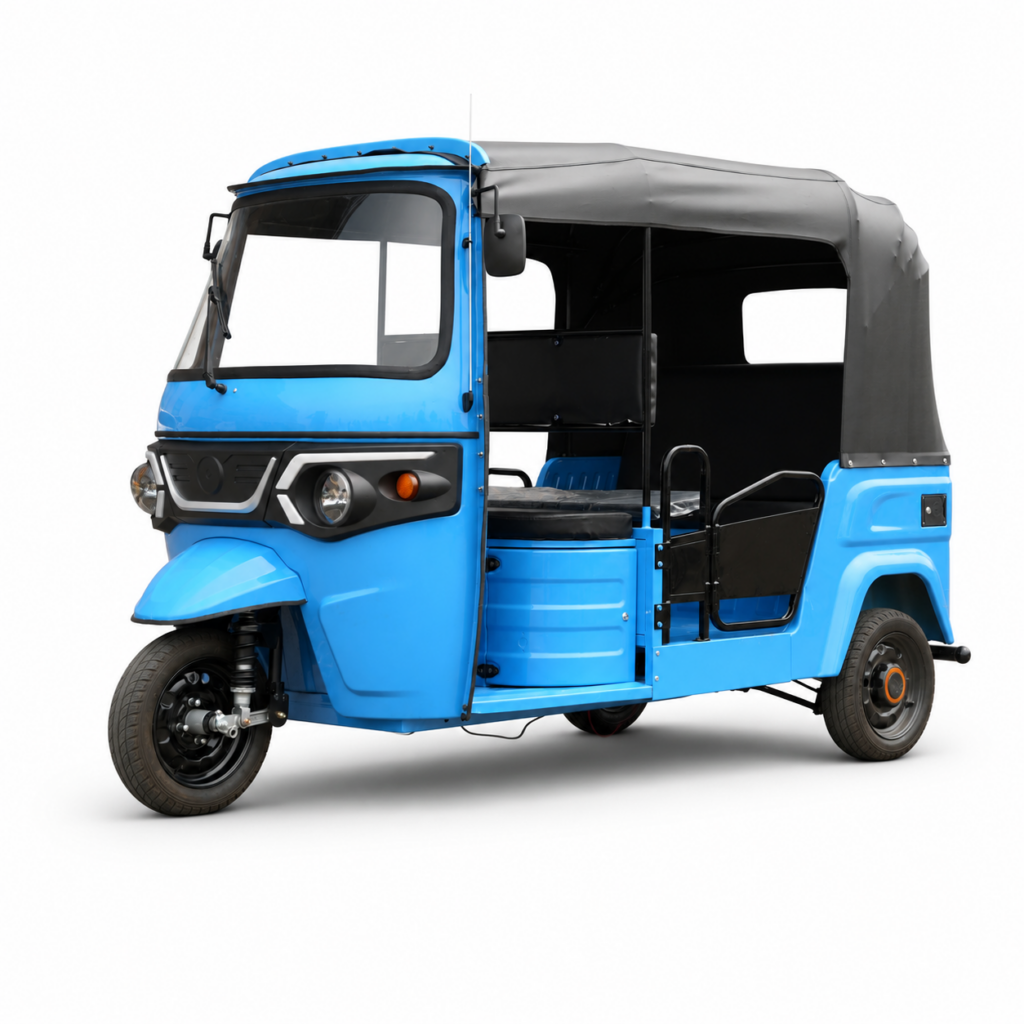
Passenger tuk tuks, open cargo tricycles and enclosed delivery vehicles have different dimensions and vulnerable areas. Mirrors, windscreens, roofs, doors, seats or other parts may require protection. The packing plan should also consider whether vehicles are shipped assembled, partially disassembled or in a knock-down format.
Clear packing lists and identification help the receiving team understand what belongs to each model and what must be installed after unloading.
Spare Parts Protect Working Time
For a fleet operator or distributor, the most expensive part is not always the component itself. It may be the day a vehicle cannot work because a simple replacement is unavailable. Initial spare-parts planning should consider routine wear items and model-specific electrical or mechanical components.
A practical parts list can be organized by vehicle model and component code. This makes future communication faster and helps local technicians identify the correct item without relying only on photographs.
Technical Information Helps Local Teams Succeed
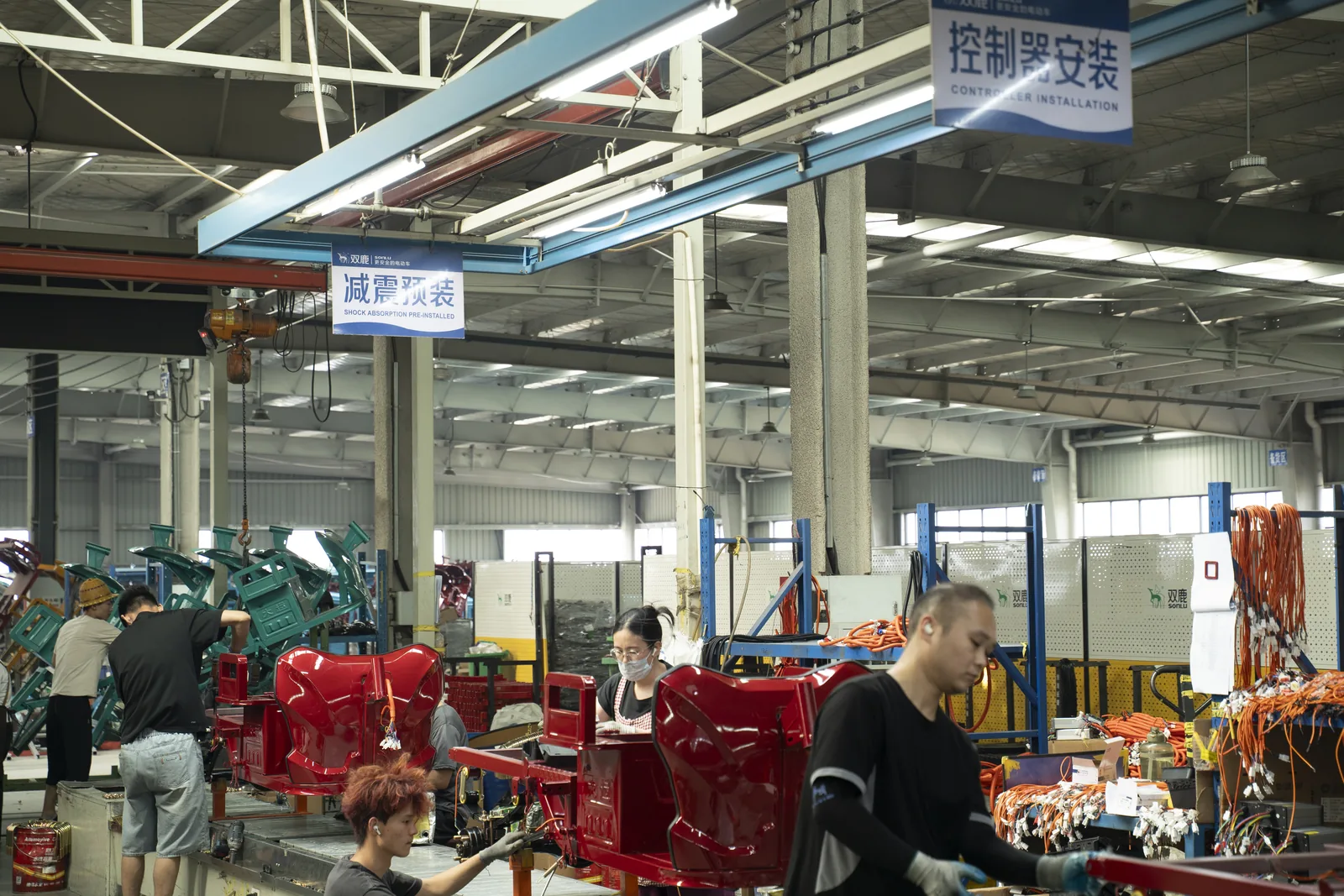
Manuals, basic wiring information, maintenance guidance and installation instructions are especially important for distributors serving multiple cities. For customized vehicles, technical details should reflect the actual supplied configuration rather than a generic model.
Video guidance and remote technical communication can support local assembly, routine checks and fault diagnosis. Larger projects may also discuss on-site assistance depending on order size and destination.
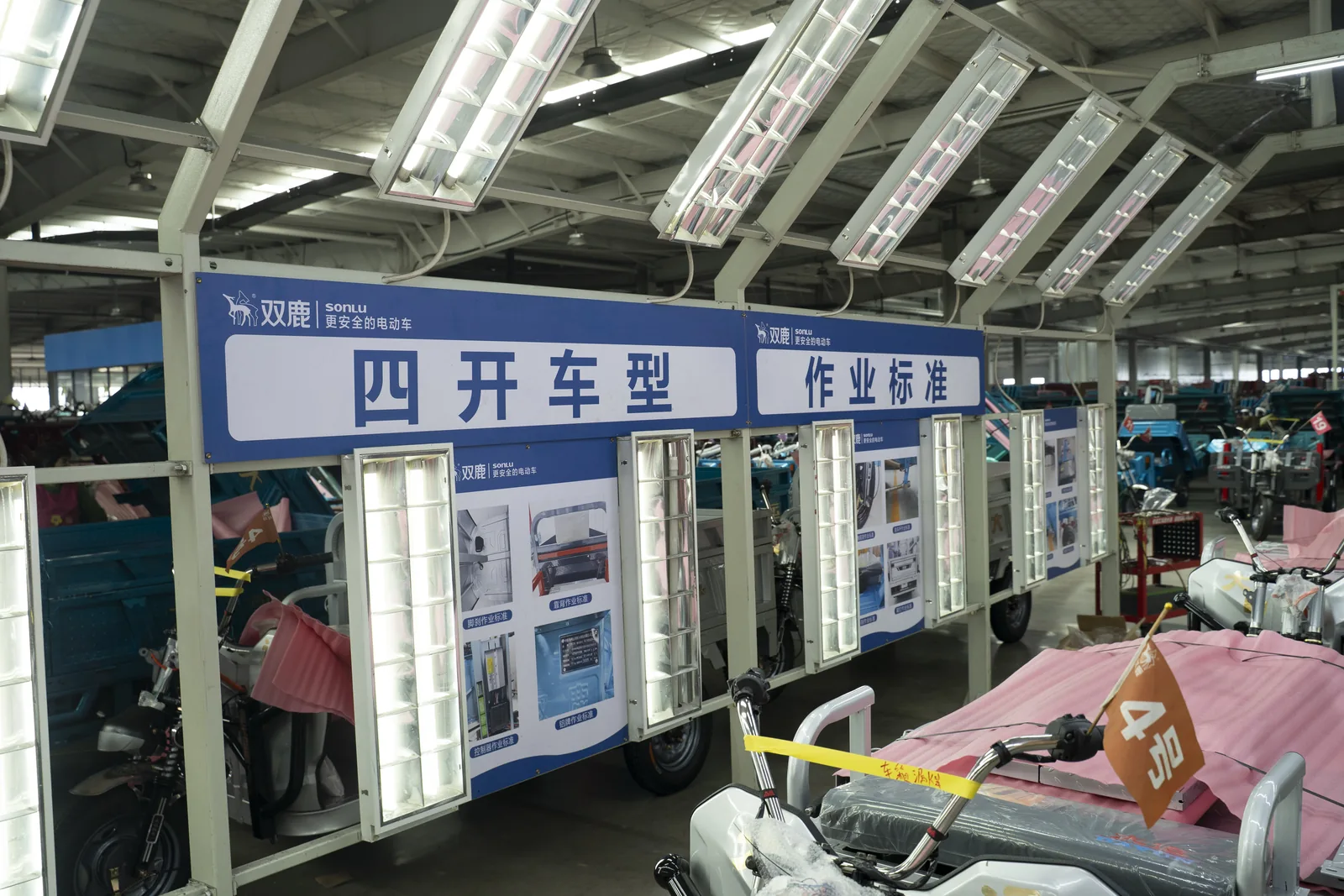
Container Efficiency Must Not Sacrifice Protection
Using container space efficiently can reduce the shipping cost allocated to each vehicle, but the densest possible loading plan is not always the safest. Contact points, stacking methods, removable components and tie-down positions should protect paint, glass, wiring and body panels during a long journey.
For knock-down or semi-knock-down shipments, parts need clear labels and an assembly sequence. The receiving team should know which fasteners and tools are required before the container arrives.
A Receiving Checklist Completes the Export Plan
Importers can prepare a simple checklist for unloading, counting packages, checking visible damage, confirming charger and battery information, and recording any issue immediately. Photos taken during unloading provide useful evidence if transport damage needs to be discussed.
The Goal Is a Smooth First Day of Operation
Export preparation is successful when the customer can receive, identify, assemble if necessary and begin using the vehicles with confidence. That outcome depends on decisions made before the container doors close.
Xinhuanhai supports customers from specification and production through inspection, shipment coordination and after-sales communication. Contact our team early so packing and service requirements can be built into the project plan.
Related Articles
 Company News
Electric Tuk Tuk Price Guide and the Key Factors That Affect Cost
When overseas buyers search for an electric tuk tuk, price is often one of the first questions they ask. However, there is rarely one standard price that applies to every electric three-wheeler. Two vehicles that look similar in photos can have significantly different costs because of differences in…
Read More Company News
How to Choose Electric Tuk Tuks for African Roads and Operating Conditions
Choosing an electric tuk tuk for an African market requires more than selecting passenger capacity, motor power and battery size from a specification sheet. The same vehicle may perform very differently depending on road surfaces, gradients, passenger loads, climate, daily mileage and maintenance co…
Read More Company News
A Simple Canopy, an Open Bed and a Full Day of Useful Work
See how a simple-canopy electric cargo tricycle supports farms, markets and small businesses with an open bed, practical loading and daily versatility.
Read More