


Xinhuanhai News & Insights
In-depth articles, product stories and thought leadership from Xinhuanhai.
Electric Tuk Tuk Price Guide and the Key Factors That Affect Cost
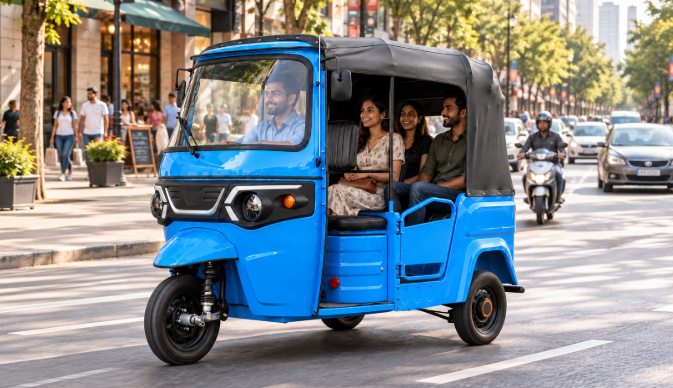
When overseas buyers search for an electric tuk tuk, price is often one of the first questions they ask. However, there is rarely one standard price that applies to every electric three-wheeler. Two vehicles that look similar in photos can have significantly different costs because of differences in motor power, battery configuration, passenger capacity, braking systems, suspension, body structure and optional equipment.
For importers and distributors, understanding what is included in a quotation is more useful than simply choosing the lowest unit price. The right comparison should consider vehicle configuration, expected operating conditions and long-term commercial use. Knowing the major cost factors can help buyers request more accurate quotations and avoid paying for unnecessary features or selecting a configuration that is too basic for their market.
1. Motor Battery and Passenger Capacity Have a Major Impact on Price
The power system is one of the most important factors affecting the price of an electric tuk tuk.
Motor output can vary considerably between models. A 2000W configuration may be suitable for short-distance passenger transportation on relatively flat roads, while a 4000W vehicle can provide additional performance for heavier passenger loads or more demanding operating conditions.
A larger motor does not automatically mean a better vehicle for every buyer. Higher power may increase the purchase cost and can also influence battery requirements. Importers should therefore select motor power according to passenger load, road gradients, expected speed and daily operating conditions.
Battery configuration can create an even larger difference in quotation prices.
Electric tuk tuks may use lead-acid or lithium battery systems depending on customer requirements and vehicle configuration. Battery voltage, capacity and chemistry all affect cost. A higher-capacity battery may increase driving range, but it also raises the initial purchase price.
This means buyers should avoid comparing quotations based only on statements such as “72V battery.” They should confirm the complete battery specification because two batteries with the same voltage can have different capacities and costs.
Passenger capacity also affects vehicle pricing.
A compact 3+1 passenger electric tuk tuk requires a different body structure and load capability from a larger 6+1 model. Higher-capacity vehicles may require changes to the chassis, suspension, braking system, motor and other components.
For this reason, buyers should first define how the vehicle will be used and then request a quotation based on that specific application.
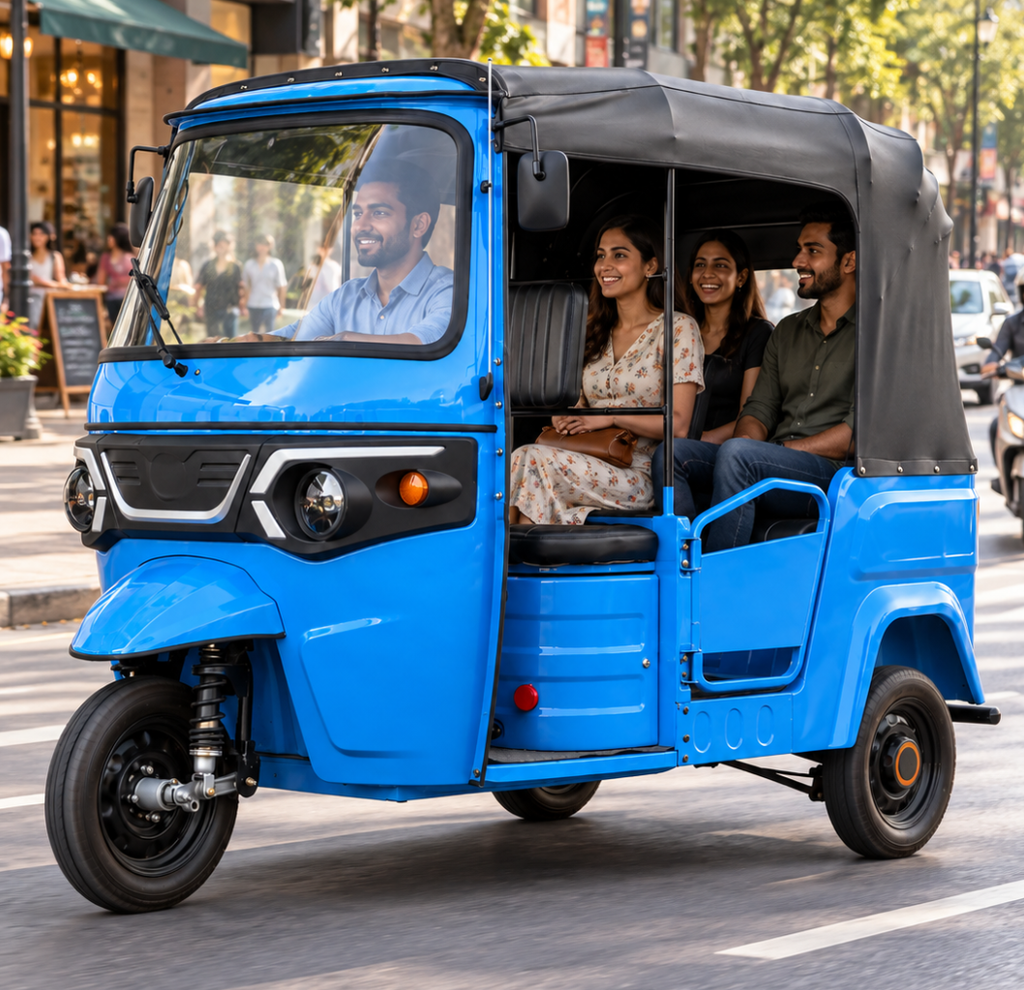
2. Components Body Design and Customization Can Change the Final Quotation
Not every price difference is visible from the outside.
Braking systems, suspension design, tyres, controllers, chargers, lighting and electrical components can all influence manufacturing cost. Two electric tuk tuks with similar body designs may therefore have different prices because the components underneath are not the same.
Body design is another factor.
A basic passenger model designed for economical commercial transportation may use a relatively simple interior and exterior configuration. A model intended for resorts, tourism or premium shuttle services may require upgraded seats, decorative body elements, improved lighting or other comfort features.
Customization can further change the final cost.
For distributors developing their own local brands, OEM requirements may include custom body colors, logos, seats, decals, packaging and other visual elements. Technical customization can include different motor configurations, batteries, chargers, tyres or components selected for particular market conditions.
The level of customization matters. Changing a body color is very different from modifying a vehicle platform or electrical system.
Order quantity can also affect the quotation. Sample orders are useful for testing vehicle quality and local market acceptance, but the unit cost may differ from a larger commercial order. Container utilization, packaging method and production volume can influence the final purchasing economics.
This is why buyers requesting quotations should provide clear information from the beginning, including:
- Passenger capacity
- Expected motor power
- Battery preference
- Typical daily mileage
- Road and gradient conditions
- Required maximum speed
- Destination country
- OEM requirements
- Estimated order quantity
A detailed request allows the manufacturer to prepare a quotation that is much easier to compare.
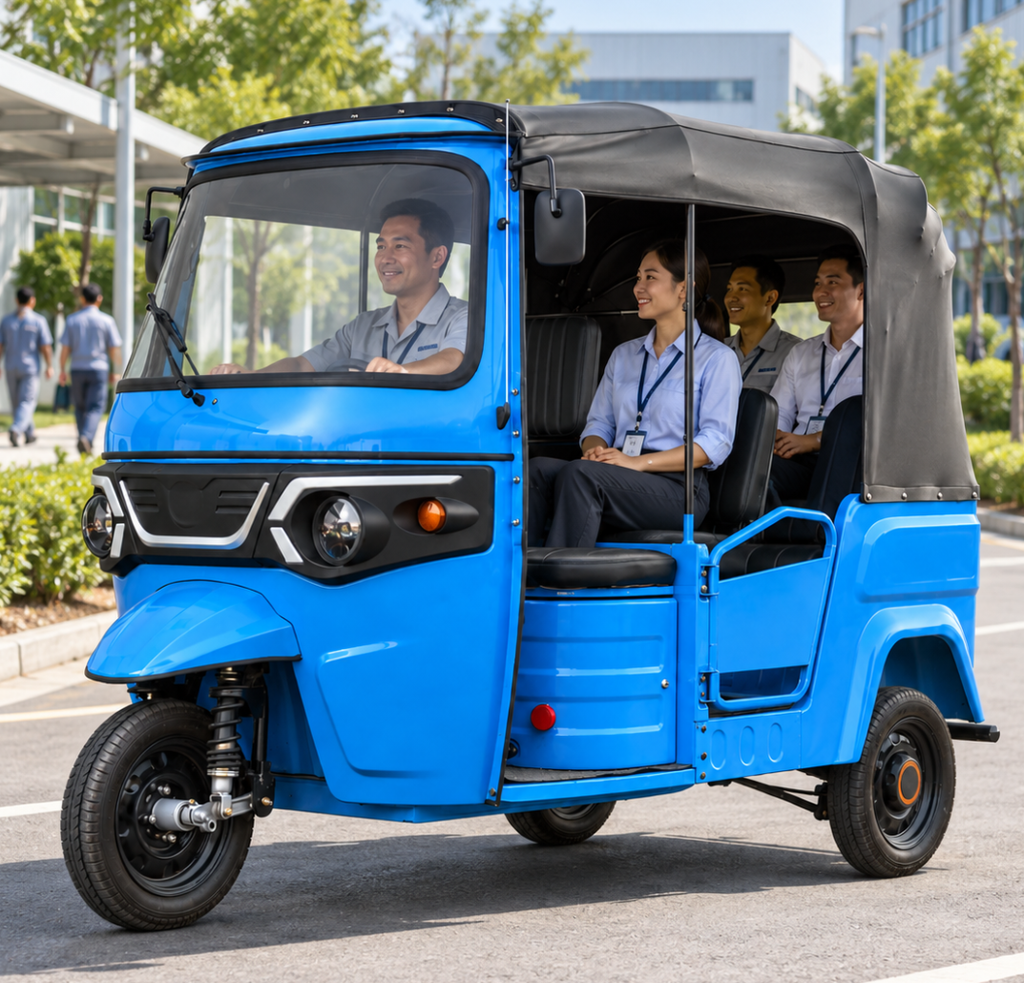
3. Buyers Should Compare Total Cost Rather Than Unit Price Alone
The lowest factory quotation does not always result in the lowest operating cost.
For commercial vehicles, buyers should consider the total cost of bringing the electric tuk tuk into operation. Depending on the transaction and destination market, this may include the vehicle price, optional equipment, packaging, inland transportation, international freight, insurance, customs duties, taxes, local handling and assembly.
The applicable costs vary between countries and shipping terms, so importers should distinguish clearly between the supplier’s quoted vehicle price and the final landed cost.
Long-term operating costs are equally important.
Battery replacement is one example. A cheaper initial battery configuration may reduce the purchase price, while another battery option may offer different service-life or maintenance characteristics. The best choice depends on daily mileage, charging frequency, local battery availability and the commercial use of the vehicle.
Spare parts should also be considered when calculating the real cost of ownership.
For distributors and fleet operators, keeping commonly required parts locally can reduce downtime. A vehicle that is slightly cheaper to purchase but difficult to maintain may become more expensive during years of commercial operation.
After-sales support also has economic value. Clear technical documentation, spare-parts availability and communication with the supplier can help distributors solve problems faster and provide better service to their customers.
Buyers should therefore compare electric tuk tuk quotations on an equivalent basis. Motor, battery, passenger capacity, braking system, suspension, optional equipment, warranty and spare-parts support should be checked before deciding that one quotation is cheaper than another.
Price matters, but value comes from selecting a vehicle that can perform reliably in its intended market.
Conclusion
Electric tuk tuk prices are determined by much more than the appearance of the vehicle. Motor power, battery type and capacity, passenger configuration, braking and suspension systems, body design, customization and order quantity can all affect the final quotation.
For importers and distributors, the most effective approach is to define the intended application first and then compare suppliers using equivalent specifications. A 2000W 3+1 passenger tuk tuk and a 4000W higher-specification model should not be evaluated as if they were the same product.
Instead of asking only “How much is an electric tuk tuk?”, buyers can obtain a more useful quotation by providing their destination market, passenger requirements, road conditions, daily operating distance and preferred configuration. This helps create a better balance between initial investment, operating performance and long-term ownership cost.
Related Articles
 Company News
Understanding Payback: A Practical Business Case for Electric Tuk Tuk Buyers
Build a realistic electric tuk tuk payback calculation using purchase cost, energy, maintenance, utilization, revenue and battery replacement assumptions.
Read More Company News
Why Electric Tuk Tuks Can Improve the Economics of Last-Mile Delivery
See how electric tuk tuks can support lower energy use, easier parking and productive short routes in last-mile delivery operations.
Read More Tuk Tuk Technology
Lead-Acid vs Lithium Batteries for Electric Tuk Tuks: A Practical Comparison
Compare lead-acid and lithium batteries for electric tuk tuks by cost, weight, charging, climate, maintenance and fleet duty cycle.
Read More