


TRI-GLOBAL News & Insights
In-depth articles, product stories and thought leadership from TRI-GLOBAL.
Quality Is a Process: How Export Electric Three-Wheelers Are Checked
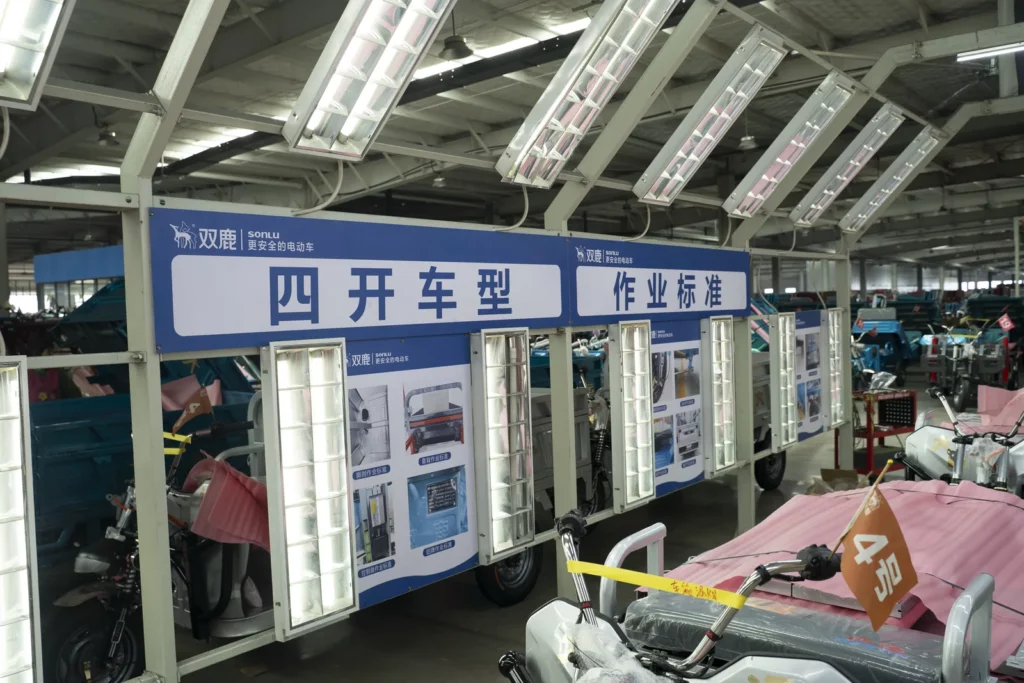
Quality control is sometimes described as a final inspection, but the best results come from a series of checkpoints. An electric three-wheeler is a combination of structure, running gear, electrical systems, controls and bodywork. Each part needs attention while it is still accessible.
Xinhuanhai coordinates inspection requirements with the manufacturing team so overseas customers can understand what is checked, when it is checked and how issues are handled before shipment.
Checks During Assembly
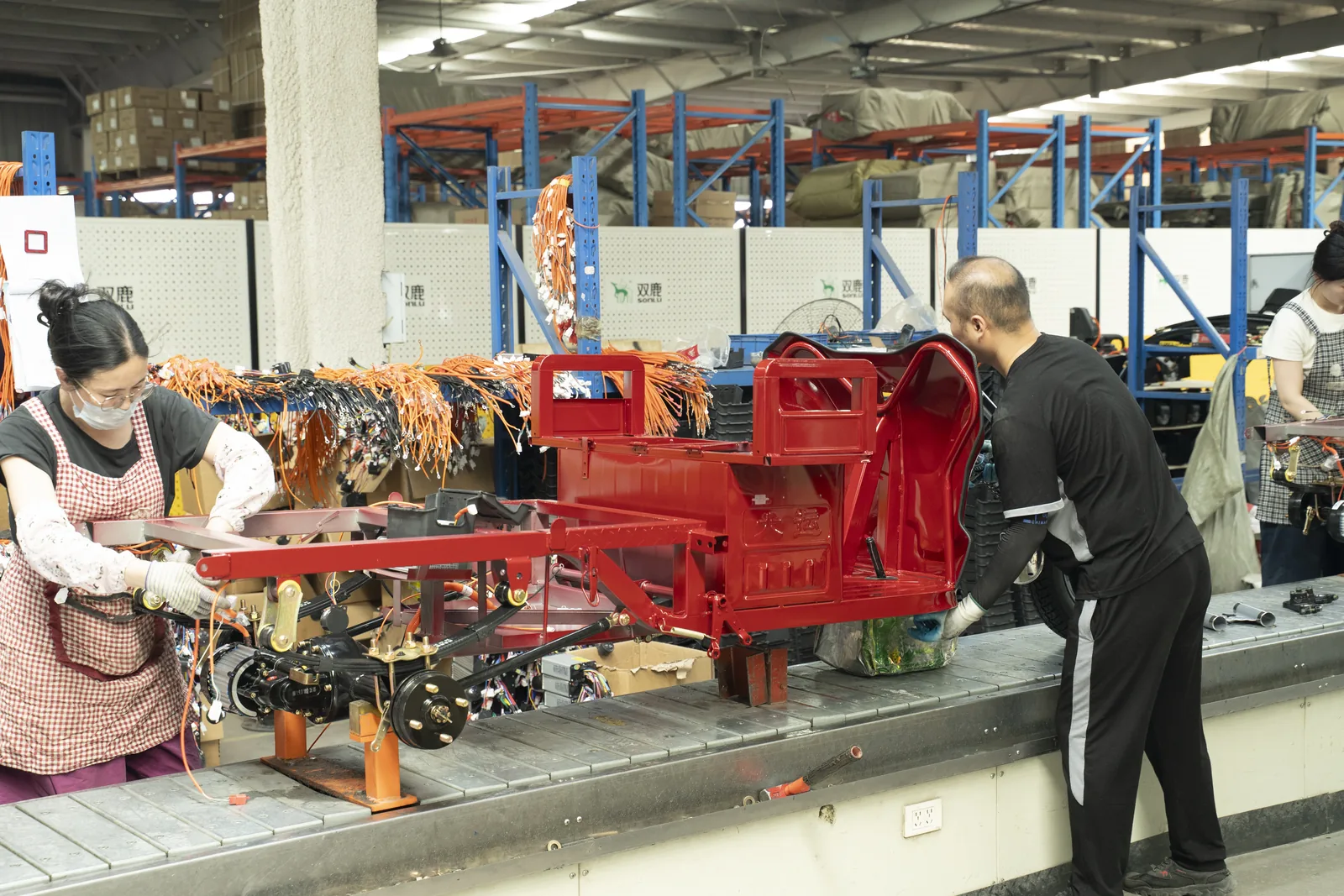
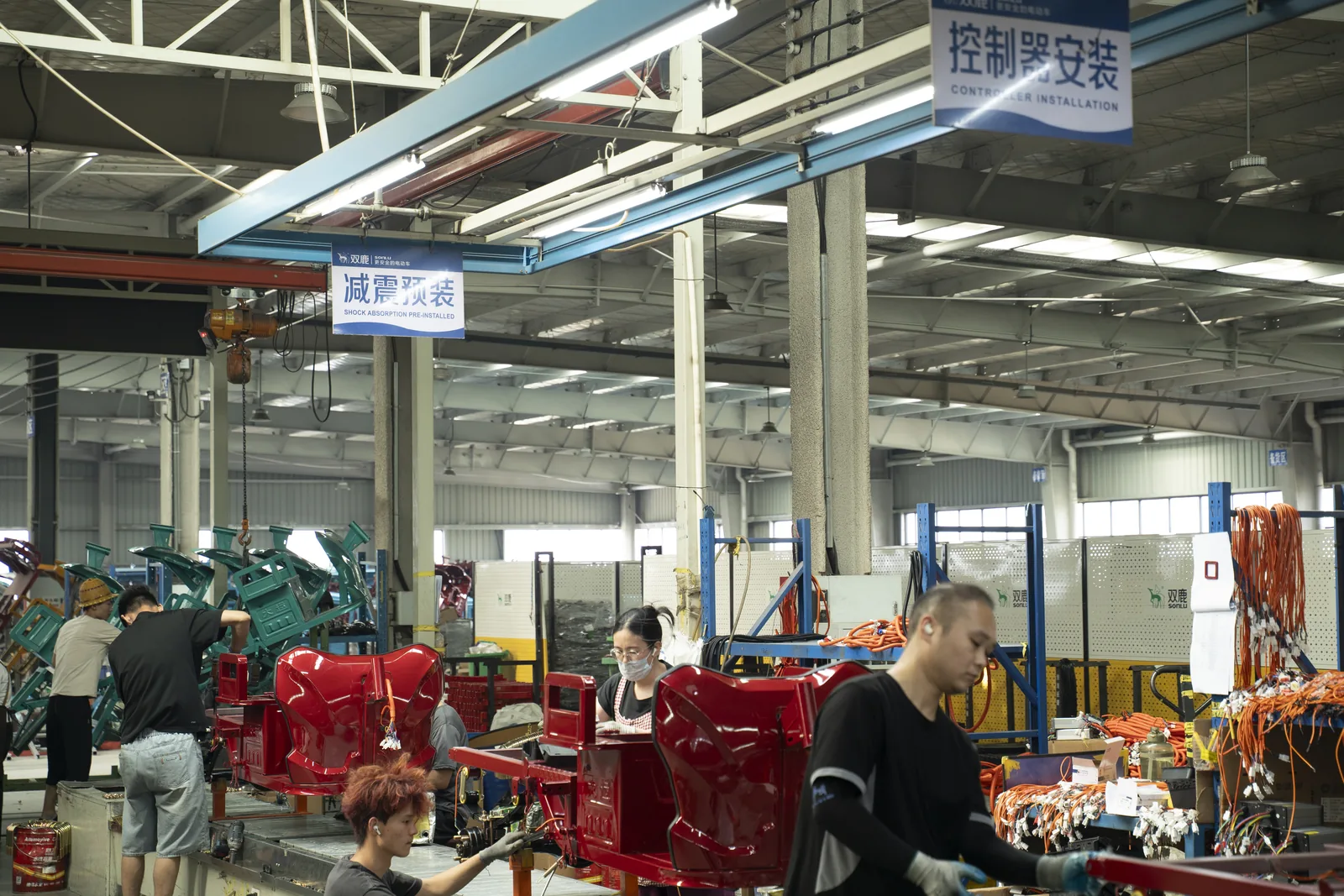
During chassis and running-gear assembly, technicians pay attention to mounting, alignment, fastening and clearance. Electrical installation adds another layer: connectors should be secure, cables should avoid sharp edges and moving parts, and components should match the specified voltage and power system.
In-process checks are valuable because they find problems before panels, seats or cargo bodies make the area harder to reach.
Electrical Functions Are Tested as a System
A motor cannot be judged separately from the controller, battery and wiring. The assembled electrical system needs basic functional checks for power delivery, switches, lighting, horn, charging and dashboard indications.
The aim is not only to see whether the vehicle moves. It is to confirm that key functions respond correctly and that the installation remains organized for future maintenance.
Final Inspection Looks at the Whole Vehicle
When the vehicle is complete, inspectors review visible workmanship and operating functions. Typical checks may include steering response, brakes, lights, horn, switches, fasteners, charging, basic driving behavior and the condition of the body and finish.
Order-specific items are also important. Branding, color, seating, cargo dimensions and accessories should match the approved specification. For batch orders, agreed sampling or inspection arrangements can be discussed in advance.
Sampling Plans Should Match the Order
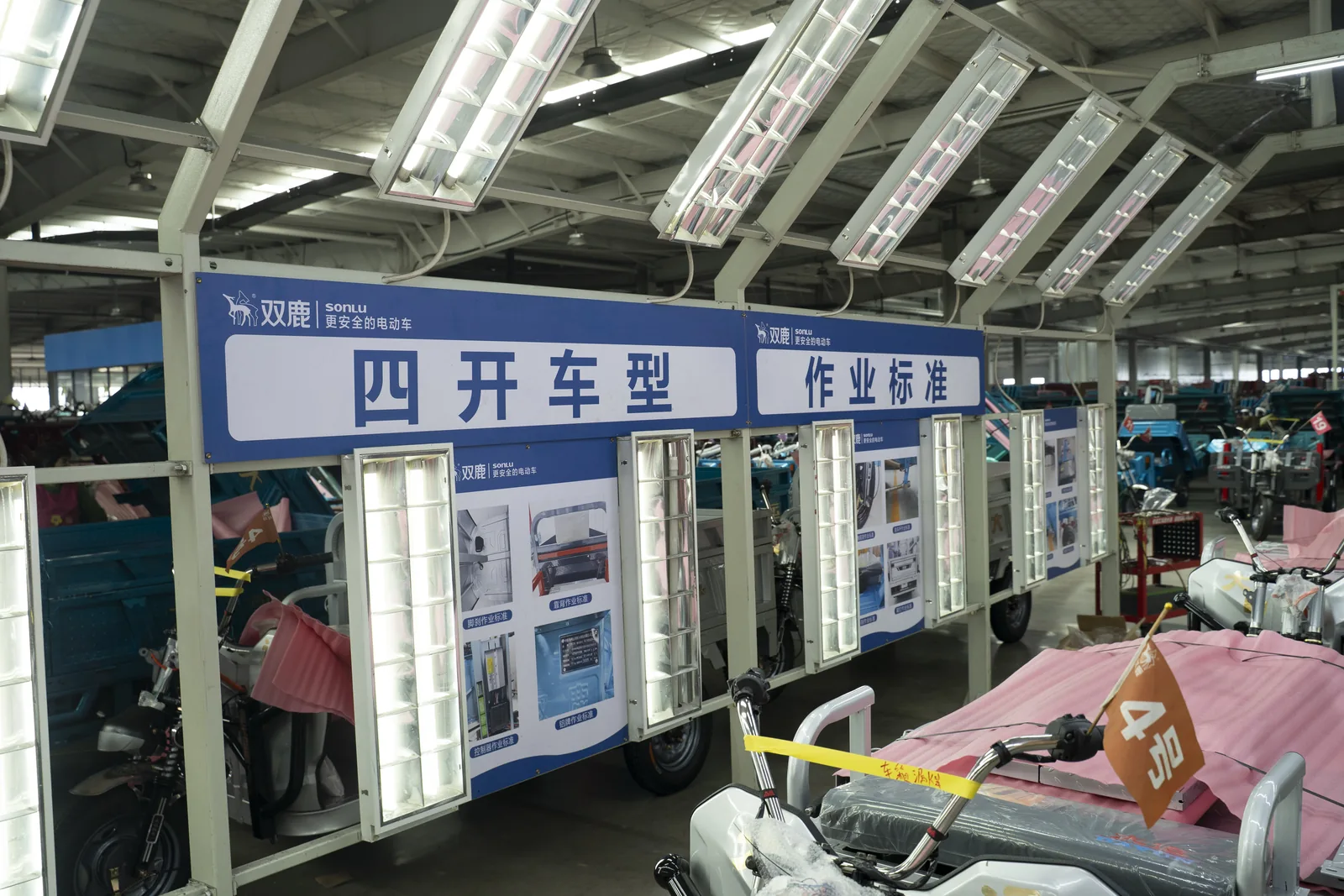
A sample vehicle, a small pilot batch and a larger repeat order do not need identical inspection arrangements. Buyers can agree in advance which functions, dimensions and cosmetic points are most important, how many units should be checked and whether photographs, video or third-party inspection are required.
Clear acceptance criteria protect both sides. They give inspectors an objective reference and help the production team understand which features are critical for the destination market.
Documentation Keeps Quality Visible
Model codes, component lists, packing records and inspection notes make later questions easier to answer. They are especially useful when a distributor operates more than one configuration or places repeat orders over time. Good records turn quality control from a one-time event into a traceable working process.
Inspection Should Create Useful Information
A good inspection process does more than separate acceptable and unacceptable units. It helps the factory identify recurring causes, improve work instructions and prepare better service information for customers.
Xinhuanhai can support factory visits, remote video inspections and third-party inspection coordination according to the order. The objective is simple: give customers a clear view of the vehicle before it begins its journey overseas.
Related Articles
 Company News
Built for the Route You Drive Again and Again
See how a reliable 6+1 electric tuk tuk supports repeat passenger routes, staff transport, family travel and daily shuttle operations.
Read More Company News
Why Electric Tuk Tuks Use Less Energy on Short Urban Routes
Understand why lightweight electric tuk tuks can use energy efficiently on short urban routes, neighborhood trips and stop-and-go service.
Read More Company News
How OEM Electric Tuk Tuk Customization Helps Distributors Enter Local Markets
Entering a new electric tuk tuk market involves more than finding a vehicle and importing it. Distributors need to understand who will buy the vehicle, how it will be used, what customers can afford and which features matter most under local operating conditions. A standard factory configuration may…
Read More