TRI-GLOBAL News & Insights
In-depth articles, product stories and thought leadership from TRI-GLOBAL.
OEM/ODM Electric Tuk Tuk Customization: A Guide for Distributors
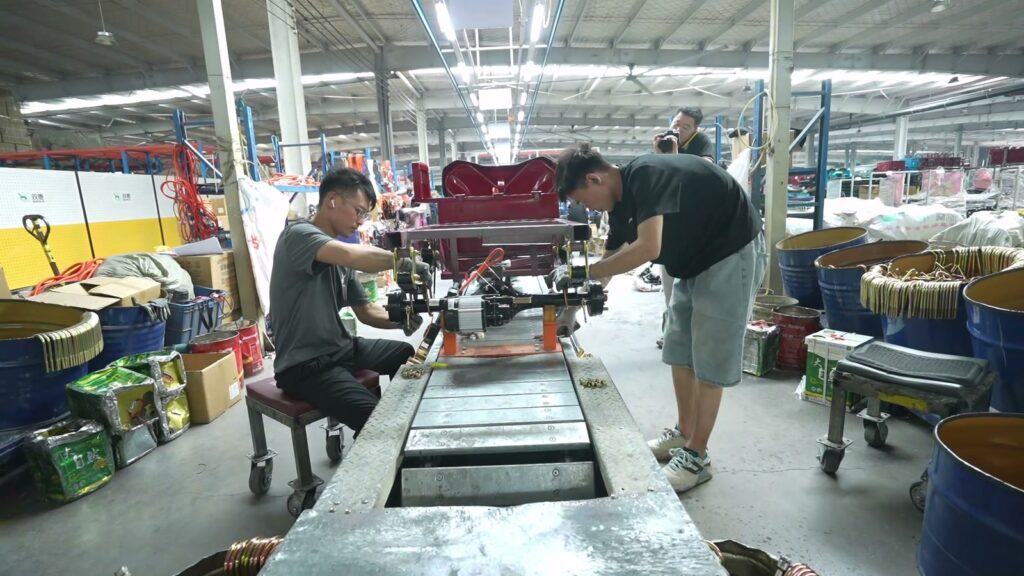
OEM/ODM customization should solve a market requirement, not simply change a colour. The most successful electric tuk tuk projects align the vehicle’s duty cycle, compliance, branding and after-sales plan before mass production begins.
This guide explains the main steps distributors should complete when developing a private-label passenger tuk tuk, cargo tricycle or enclosed delivery vehicle with TRI-GLOBAL.
Step 1: Define the commercial application
Begin with a one-page operating brief. State whether the vehicle will carry passengers, parcels, food, agricultural goods, tools or mixed cargo. Include daily distance, maximum load, number of stops, road quality, gradients, temperature, rain and charging hours.
Also identify the buyer: taxi operator, courier fleet, dealer, municipality, resort or small-business owner. The end user determines which features deserve priority.
Step 2: Confirm destination-market requirements
Vehicle classification and registration rules vary. The importer should provide applicable requirements for speed, braking, lamps, mirrors, reflectors, dimensions, identification numbers, charger plugs, labels and documents. If third-party testing or homologation is required, plan it before the production specification is approved.
Early compliance work reduces redesign, shipment delays and inventory risk.
Step 3: Build a configuration matrix
A clear matrix makes quotations comparable and prevents misunderstandings. Typical items include:
- Passenger seating or cargo-body type and dimensions.
- Rated payload and expected load distribution.
- Motor, controller and climbing requirement.
- Lead-acid or lithium battery, capacity and charger input.
- Tyres, wheels, suspension, service brakes and parking brake.
- Dashboard, lighting, horn, mirrors, reverse warning and optional accessories.
- Paint colour, decals, badges, nameplates and packaging marks.
Separate mandatory items from optional upgrades. This helps the distributor control cost without removing features needed for safety or reliability.
Step 4: Review engineering feasibility
Every change affects the complete vehicle. A larger cargo box changes weight and aerodynamics. A bigger battery affects packaging and charging. Higher speed may require different brakes, tyres and controller calibration.
The supplier should review the full configuration as a system. Buyers should avoid combining maximum values from different models unless the complete package has been engineered and validated.
Step 5: Approve drawings, colours and brand assets
For body changes, confirm drawings with critical internal and external dimensions. For branding, provide vector logo files, colour references, label languages and placement instructions. Check that safety labels, serial information and importer details remain legible after branding is applied.
Step 6: Validate a sample or pilot batch
A representative sample allows the distributor to test loading, range, hill performance, charging, access, ride quality and local user response. Record findings in a written approval list. If changes are needed, update the configuration matrix and drawings before bulk production.
For fleet projects, a small pilot under real operating conditions provides stronger evidence than a short unloaded demonstration.
Step 7: Define quality checkpoints
Agree on inspection points for incoming components, welding and frame finish, wiring, controller settings, battery and charger matching, lighting, brakes, road test, water protection, labels and final appearance. The purchase agreement should state the approved specification and acceptance method.
Pre-shipment inspection can include quantity, packaging, accessories, spare parts and document checks in addition to vehicle function.
Step 8: Prepare after-sales support before arrival
Order initial service parts with the vehicles. Train local technicians, translate user guidance where necessary and define the warranty-claim process. A parts list organized by vehicle model and component code makes future support faster.
For knock-down or assembly projects, confirm packaging sequence, assembly tools, torque requirements, test procedures and technician training as part of the project—not after the containers arrive.
Work with TRI-GLOBAL
TRI-GLOBAL coordinates international sales, product configuration and customer service across passenger, cargo and delivery applications. Our OEM/ODM process is designed to turn a clear market brief into a controlled production specification with practical after-sales preparation.
Ready to develop a private-label electric three-wheeler? Review our product range and contact TRI-GLOBAL at monica@xhhtuktuk.com or +86 151 2110 8670.
Related Articles
 Company News
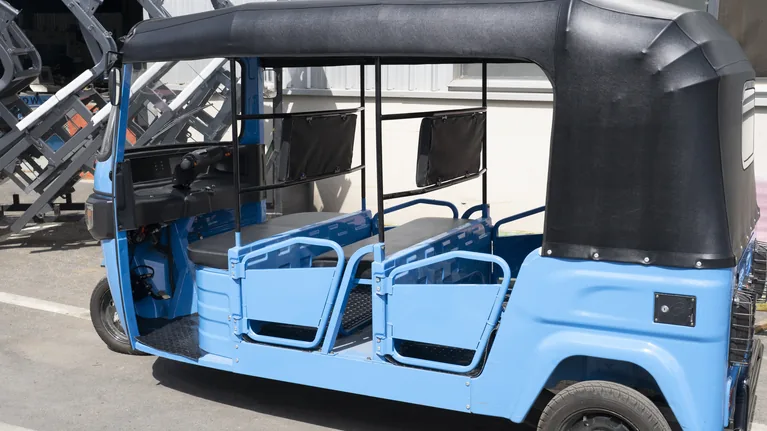
Shade Above, Fresh Air Around: The Open-Canopy 6+1 Tuk Tuk
In a warm climate, a completely closed cabin can make a short journey feel longer than it is. An open-canopy vehicle offers a different experience: shade overhead, air moving through the passenger area and an uninterrupted connection with the street, farm or landscape outside. The Deluxe Double-Row …
Read More Technology
Lead-Acid vs Lithium Batteries for Electric Tuk Tuks: A Practical Comparison
Compare lead-acid and lithium batteries for electric tuk tuks by cost, weight, charging, climate, maintenance and fleet duty cycle.
Read More Technology
Electric Cargo Tricycle Buying Guide: 8 Specifications Importers Should Compare
Compare payload, range, battery, motor, body, brakes, compliance and after-sales support before importing an electric cargo tricycle.
Read More